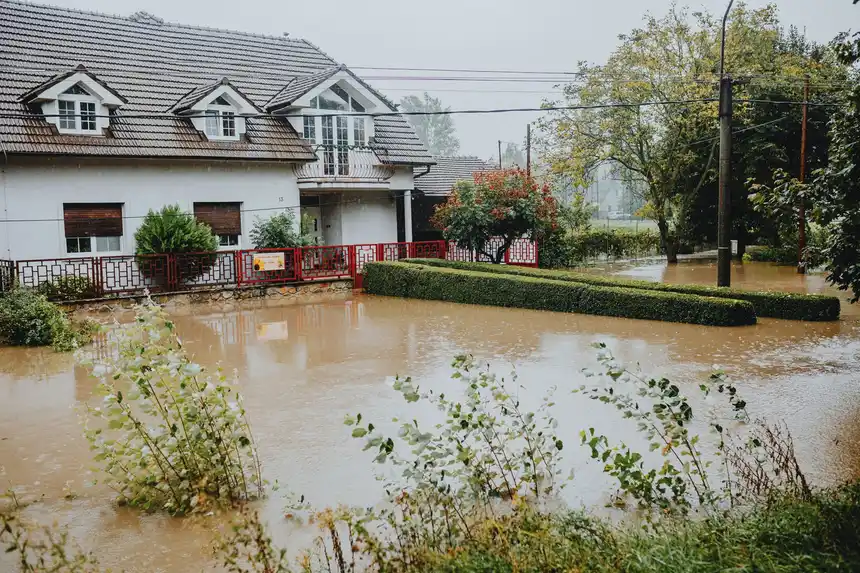
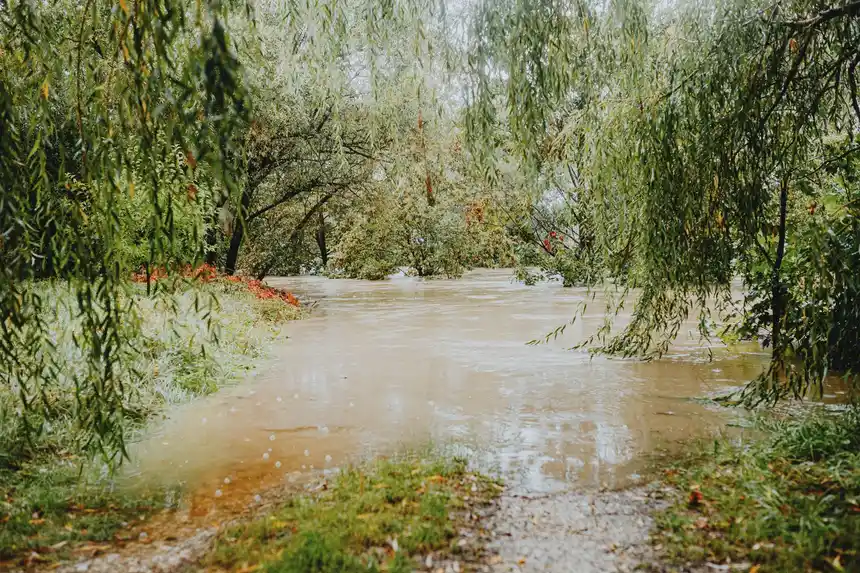
Basement Flood Cleanup in The Point, Kentucky

Basement Flood Cleanup in The Point means getting standing water out of your basement before it climbs the drywall and turns into a mold problem. We work the 41071 riverfront every week, from Riverboat Row to Taylor Southgate, where the Ohio River floodplain and a high water table keep sump pumps running overtime. Truck-mounted extractors, air movers and dehumidifiers go to work the same day you call.

  • Address1155 Bayside Dr #219, Corona Del Mar, CA 92625, USA, Newport, Kentucky
  • Phone+18598328132
Basement Flood Cleanup in The Point

Serving The Point and 41071

  • Readings on every visitMoisture logged before and after drying
  • Written scope firstYou see the plan before we start
  • Source checked, not just waterWe find why it flooded
  • Equipment sized to the spaceAir movers matched to cubic footage

Basement Flood Cleanup in The Point You Can Count On

Basement Flood Cleanup in The Point is the work of pulling floodwater, sewage or sump-pump discharge out of a below-grade space and drying the structure before mold takes hold. That is what our crews do here, and The Point keeps us busy. The neighborhood sits on the direct Ohio River floodplain, so the water table under your slab is already high before a spring storm ever rolls through. Add historic river flooding events, flash flood susceptibility and the riverfront commercial basements along Riverboat Row, and you get a small area with a big water problem. We serve homeowners and property managers from The Point proper through Taylor Southgate and out toward the Taylor Southgate Bridge. When you search for Basement Flood Cleanup near The Point, you want a crew that already knows which blocks flood first. We run moisture meters, thermal imaging cameras and hygrometers on every job, so we are not guessing about what is wet behind the wall. Our technicians hold IICRC WRT and ASD credentials, and we pull Campbell County permits when structural repair is part of the scope.

The Point sits lower than most of Newport, and the Ohio River does not care about property lines. When the river rises, water pushes into basements through foundation cracks, window wells and floor drains. The high water table means a failed sump pump at 2 a.m. can leave six inches of water on your floor before sunrise. We serve this neighborhood because the demand is real and constant, not seasonal. Riverfront commercial basements along Riverboat Row need fast extraction so tenants can reopen. Historic homes near Taylor Southgate need careful drying so original hardwood and plaster are not torn out unnecessarily. We keep crews positioned to reach The Point quickly because minutes matter when water is still rising.

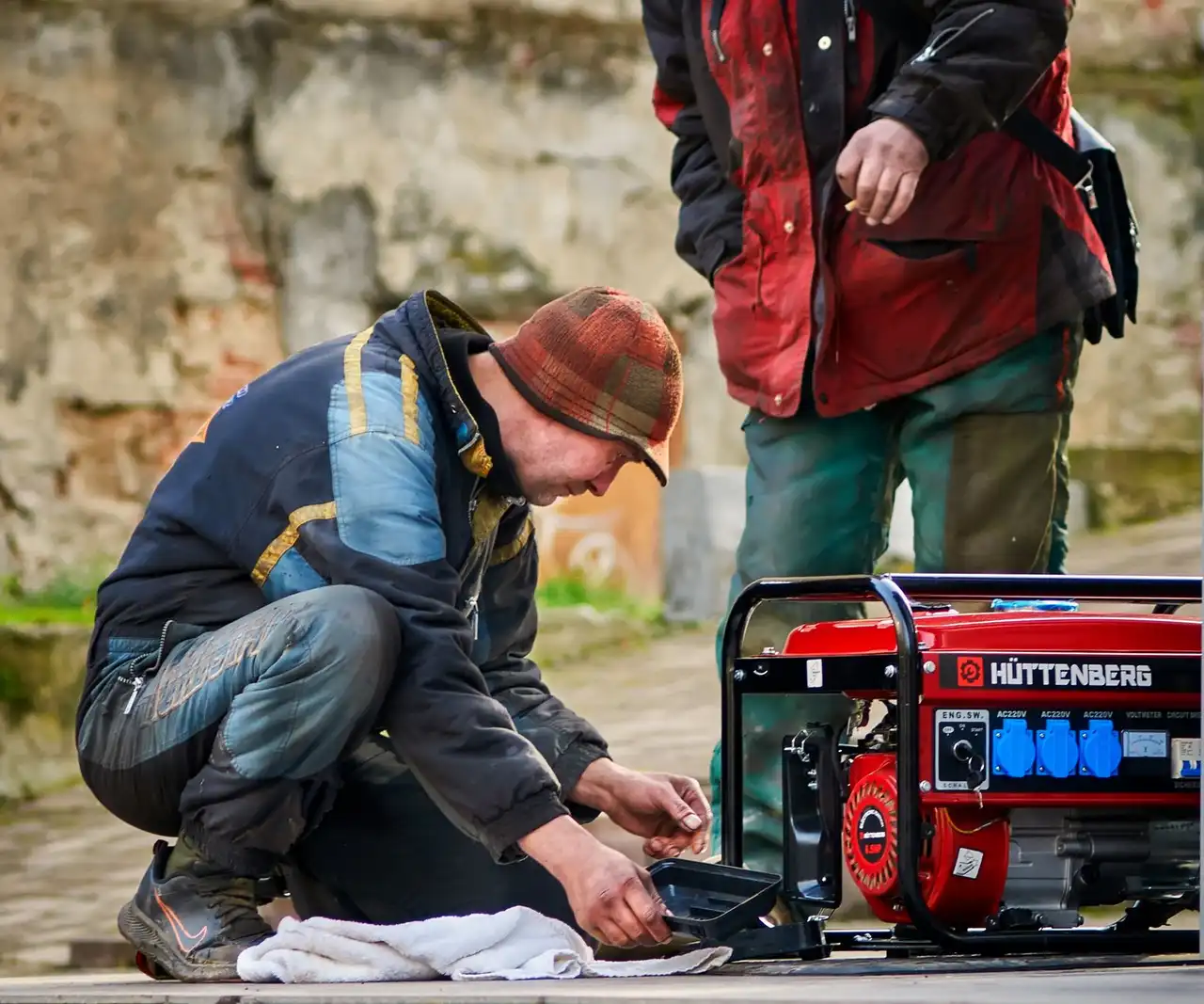
Basement Flood Cleanup Services Available in The Point

Water in a Point basement rarely comes from one source. It might be river backflow, a dead sump pump, a sewage backup or a cracked foundation wall letting in groundwater. We handle all of it, and we handle it in the 41071 ZIP where the water table sits high and the river is always close. If you are looking for Basement Flood Cleanup The Point KY near me, this is the full list of what we bring to your door.

How each service works in The Point

Basement Flood Cleanup in The Point

Basement Flood Cleanup in The Point

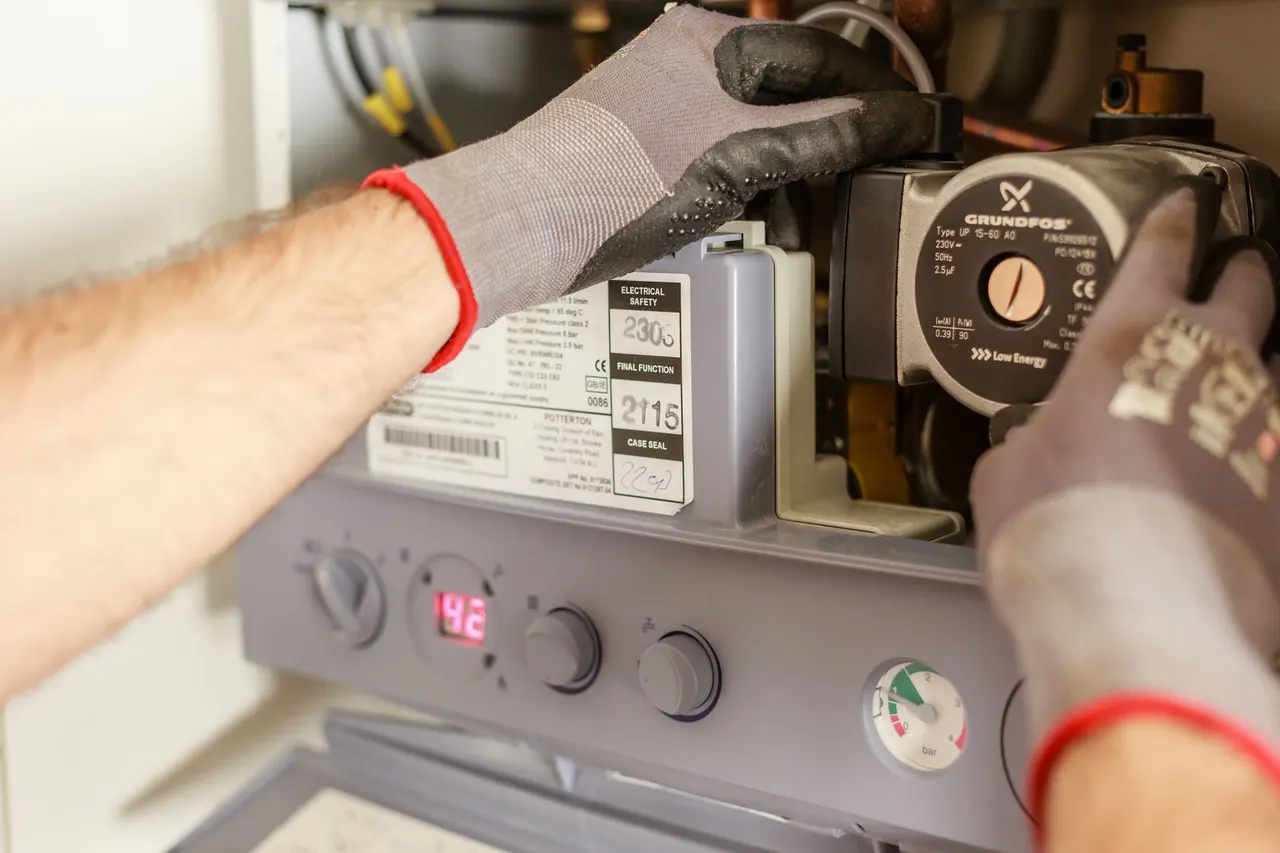
We start by mapping how far the water spread with a moisture meter and thermal camera. Then we pump, extract, remove what cannot be saved, and set air movers and dehumidifiers. We log readings daily until the structure is dry.

  • Moisture map before work
  • Pump, extract, remove
  • Daily dry-standard readings
For homes in The Point

For homes in The Point

Point homes sit on the river floodplain with a high water table, so basements and crawl spaces both need attention. We dry the whole system, not just the visible puddle.

  • Riverfront homes on Riverboat Row
  • Older homes near Taylor Southgate
  • Finished basements with carpet
  • Crawl spaces with damp soil
For businesses in The Point

For businesses in The Point

Riverfront commercial basements in The Point flood from the river and from storm sewer surcharge. We work around your operating hours to get you back open.

  • Riverboat Row restaurants
  • Levee district retail space
  • Storage and mechanical rooms
  • Mixed-use riverfront buildings

Common Basement Flooding Problems in The Point

The Point has a specific set of water problems that come from its location on the Ohio River floodplain. The high water table, the older building stock and the riverfront exposure all push water into basements in different ways. Knowing which problem you have is the first step toward fixing it. Here are the four we see most often in the 41071 ZIP.

  • Sump pump failure during a storm

    Sump pump failure during a storm

    The Point's high water table keeps sump pumps working hard, and power outages during storms are common. A pump that has run for years without a test can quit at the worst moment. Battery backup is rare in older homes here, so a failure means water on the floor fast. We clean up the water, then inspect the pump, float, check valve and discharge line. If the pump is undersized or worn out, we quote a replacement from Zoeller, Little Giant, Wayne or Liberty Pumps with a battery backup so the next outage does not flood your basement.

  • River floodwater entering through foundation cracks

    River floodwater entering through foundation cracks

    When the Ohio River crests, groundwater pressure rises across The Point. Water pushes through foundation cracks, block joints and floor drains. This is not a plumbing problem; it is the river finding its level under your slab. We pump and extract the water, dry the structure, and repair the cracks with hydraulic cement, epoxy crack filler or polyurethane sealant. For repeat flooding, we recommend interior drainage and a backwater valve to manage the pressure.

  • Sewage backup from aging clay tile drains

    Sewage backup from aging clay tile drains

    Older Point homes near Taylor Southgate often have original clay tile sewer lines. Roots and age crack them, and during heavy rain the city main can surcharge back into your basement. The result is a category 3 sewage backup that needs more than a mop. We contain the area, remove contaminated materials, apply antimicrobial solution and disinfectant, then dry and deodorize with ozone. We also camera-inspect the line and recommend a backwater valve or line replacement to stop the next backup.

  • Crawl space moisture feeding basement humidity

    Crawl space moisture feeding basement humidity

    The Point's water table sits close to the surface, so crawl spaces here stay damp even without a flood. A failing or missing vapor barrier lets that moisture rise into the basement above, causing musty odors, mold growth and rotting floor framing. We remove standing water, dry the space with air movers and dehumidifiers, then install a new vapor barrier and crawl space liner with sealed seams. We treat the crawl space and basement as one system so the moisture problem does not just move upstairs.

Signs You Need Basement Flood Cleanup in The Point

Watch for standing water, musty odors, a sump pump that runs nonstop, chalky wall powder, or cupping hardwood floors.

  • Standing water on the basement floor

    This is the obvious one, and it is urgent. Standing water wicks up drywall and baseboard within hours and can reach electrical outlets. If the water is more than an inch deep or still rising, call immediately. We pump first, then figure out the source.

  • Musty odor that will not go away

    A persistent musty smell usually means hidden moisture or early mold growth. In The Point's high water table, this often traces back to a damp crawl space or a slow foundation seep. A moisture meter and thermal camera find it fast, before it becomes a bigger remediation job.

  • Sump pump running constantly or not at all

    A pump that runs nonstop is fighting more water than it should, and one that is silent during a storm has likely failed. Both are warnings. We test the float, check valve and discharge line, and tell you whether a repair or a replacement is the right call.

  • Paint peeling or white powder on walls

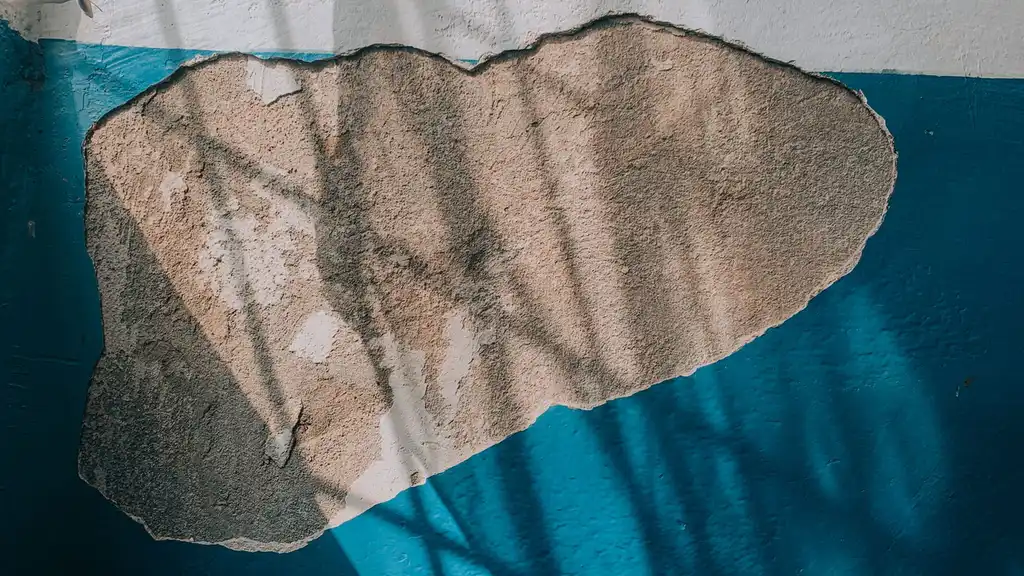
    Efflorescence, that white chalky powder on basement walls, means water is moving through the concrete. Peeling paint is the same story. It points to hydrostatic pressure from the water table, and it will keep happening until the water source is managed.

  • Warped or cupped hardwood floors

    Hardwood starts cupping within days of a flood. If you catch it early, drying mats can save the floor. If you wait, the boards buckle and need replacement. In older Point homes with original hardwood, fast action is the difference between drying and tearing out.

How We Execute Basement Flood Cleanup in The Point

Every Point job starts with a walk-through and moisture mapping. We use a thermal imaging camera and moisture meter to trace where the water came from and how far it spread, because in a riverfront basement the visible puddle is rarely the whole story. From there we pump, extract, remove unsalvageable materials, and set drying equipment. We log hygrometer readings daily so we know when the structure hits dry standard, not when it merely looks dry. Access matters here. The Point's riverfront blocks and older streets near Taylor Southgate can be tight for a box truck, so we scout parking before we roll and run hose lines accordingly. If your basement has a crawl space, we check it too. Water that drains into a crawl space will keep feeding humidity into the basement above it. For 24/7 Basement Flood Cleanup in The Point, Kentucky, we keep equipment staged so a call at 2 a.m. still gets a crew moving.

  • Direct Ohio River floodplain location

    When the river crests, groundwater pushes up through floor drains and foundation joints across The Point. Basements that were dry in July take on water in March. This is not a plumbing leak you can fix with a wrench; it is the river finding its level. We pump and extract fast, then dry the structure and document the flood line with moisture readings. We also recommend interior drainage and a properly sized sump system so the next crest does not end up in your finished space.

  • High water table under riverfront blocks

    The water table in The Point sits close to basement floors, which means hydrostatic pressure never really stops. Even without a storm, a failed sump pump can flood a basement in hours. Crawl spaces here stay damp year-round. We treat the water table as a permanent condition. That means sump pumps sized for continuous load, check valves on discharge lines, and vapor barriers in crawl spaces. We also test pumps before spring so a failure does not catch you mid-flood.

  • Historic homes with clay tile drains

    Older Point homes near Taylor Southgate often have original clay tile drain lines. Roots and age crack them, and during heavy rain the lines back up into the basement instead of carrying water away. The result is a flooded floor that looks like a plumbing failure. We camera-inspect drain lines with a boroscope, clear what we can, and tell you honestly when a line needs replacement. For repeat backups, we recommend a French drain or a backwater valve so the city surge does not enter your basement.

  • Flash flood susceptibility on riverfront streets

    The Point can take on water fast during a summer downpour. Streets near Riverboat Row and the Taylor Southgate Bridge approach drain toward the river, and when the storm sewer surcharges, basements flood within minutes. There is little warning. We keep extraction equipment staged for the 41071 area during storm season and prioritize active flooding calls. We also install backwater valves and window well drainage so the next flash flood has somewhere else to go.

  • Campbell County permit requirements for structural repair

    If flood damage requires replacing framing, cutting in new drainage or altering a foundation wall, the work needs a Campbell County permit. We pull it before we start so your repair is inspected and your insurance claim is not held up by unpermitted work.

  • Kentucky mold remediation license

    Mold remediation in Kentucky requires a state license. We hold it, along with IICRC AMRT credentials, so the containment, removal and antimicrobial work in your Point basement is done to code and documented for your records.

  • EPA Lead-Safe Certification for pre-1978 homes

    Many Point homes near Taylor Southgate were built before 1978. Disturbing painted drywall or trim during flood tear-out can release lead dust. Our EPA Lead-Safe Certification means we handle that removal with the required containment and cleanup.

Navigating The Point: Landmarks We Use

The Point is compact, but riverfront traffic and bridge access can slow a crew that does not know the area. We use the neighborhood's landmarks as orientation points when we dispatch. Newport on the Levee and the Newport Aquarium anchor the riverfront district, and the Taylor Southgate Bridge marks the eastern edge of our coverage. Riverboat Row gives us a straight reference line along the water. When a call comes in, we are not typing an address into a phone and hoping for the best; we already know which side of the row you are on and how to get a hose line to your basement door.

  • Newport on the Levee

    This riverfront entertainment complex is a fixed orientation point on the north edge of The Point. It helps us confirm which riverfront blocks we are heading to and how to route around event traffic.

  • Newport Aquarium

    The aquarium sits within the Levee district and serves as a second riverfront reference. When we dispatch to nearby streets, we use it to confirm we are on the correct side of the riverfront.

  • Taylor Southgate Bridge

    The bridge marks the eastern approach into The Point and is a useful boundary when we are routing crews from the Newport side. It tells us which access road to take to reach the riverfront blocks.

  • Riverboat Row

    Riverboat Row is the main riverfront corridor through The Point. We use it as a spine reference: addresses are either river-side or inland-side, and that determines how we run hose lines and where we park.

  • Newport on the Levee district

    The Levee district is a riverfront commercial and entertainment area with restaurants, retail and event space. Its below-grade spaces sit close to the river, and we handle water removal and drying for commercial basements in this district.

  • Riverboat Row riverfront

    Riverboat Row includes riverfront commercial properties and residential buildings along the water. Basements here face direct floodplain exposure, and we provide extraction, drying and waterproofing for property owners along the row.

  • Taylor Southgate Bridge

    The bridge connects The Point to the Cincinnati side and is a primary access route for crews coming from the east. We use it to route around riverfront congestion when responding to calls.

  • Riverboat Row riverfront corridor

    Riverboat Row runs the length of the riverfront and gives us a direct path to most Point addresses. We use it as our main approach line when dispatching to riverfront basements.

Neighborhoods We Serve in The Point

The Point is small enough that we know it street by street, but the water problems change block to block. Riverfront blocks flood from the river. Inland blocks flood from sump failure and clay tile drains. We work all of them, and we know which streets to check first when a storm rolls through the 41071 ZIP.

  • Riverboat Row
  • Taylor Southgate
  • The Point proper
  • 41071 riverfront blocks

Local Results from The Point

  • Riverboat Row

    Before

    A Riverboat Row commercial basement took on four inches of river water after a spring crest, threatening a restaurant's storage and mechanical room.

    After

    We pumped the standing water with submersible pumps, extracted the remaining moisture, and set air movers and dehumidifiers across the space. We removed wet baseboard and insulation, applied antimicrobial solution, and logged hygrometer readings twice a day until the structure hit dry standard. The basement was dry in four days, and the restaurant reopened its storage area without replacing the mechanical equipment. We also installed a backwater valve to reduce the next crest's impact.

  • Taylor Southgate

    Before

    A Taylor Southgate homeowner woke to two inches of water after a sump pump failed during a storm. The finished basement had carpet, drywall and stored furniture.

    After

    We extracted the carpet and pad, cut out the wet drywall to the flood line, and dried the framing with air movers and a dehumidifier. Stored furniture was packed out and cleaned. We replaced the failed pump with a Zoeller primary and a battery backup, and added a check valve to the discharge line. The basement passed dry standard in three days. The homeowner saved the carpet and most of the furniture, and the new backup pump has held through two subsequent storms.

  • 41071 riverfront blocks

    Before

    A 41071 crawl space stayed damp for months, feeding musty odors into the basement above. The homeowner suspected mold but could not find the source.

    After

    We inspected with a boroscope and moisture meter, found standing water and saturated soil under the vapor barrier, and removed the water. We dried the space, treated the framing with antimicrobial solution, and installed a new crawl space liner and vapor barrier with sealed seams. The musty odor cleared within a week, and post-remediation testing confirmed no active mold growth. The homeowner now checks the crawl space twice a year instead of guessing.
Reviews from The Point

4.9

  • Our Riverboat Row basement took on water after the river came up, and these guys were on site within the hour. They pumped it out, set up drying equipment, and checked the moisture every day until it was actually dry. They also found the backwater valve issue that caused it. Straight answers, no upselling.
    Marcus T.Riverboat Row
  • Sump pump died at 2 a.m. and we had two inches of water in the finished basement by morning. The crew extracted the carpet, cut out the wet drywall, and dried everything out in three days. They replaced the pump and added a battery backup. I have recommended them to two neighbors already.
    Dana R.Taylor Southgate
  • We had a musty smell in the basement for months and could not figure out where it was coming from. They inspected the crawl space, found standing water under the old vapor barrier, and fixed the whole thing. New liner, new drainage, and the smell is gone. Fair price and they explained every step.
    Kevin S.41071 riverfront blocks

How Seasons Affect Basement Flooding in The Point

  • Spring

    Spring is peak flood season in The Point. The Ohio River runs high, the water table rises, and snowmelt plus rain push groundwater into basements across the floodplain. Riverfront blocks near Riverboat Row flood first, and sump pumps run nonstop. This is when we see the most emergency calls. Test your sump pump before the river rises. Clear gutters and extend downspouts away from the foundation. If your basement has flooded before, call us for a moisture inspection before the first big rain.

  • Summer

    Summer brings flash flood risk. A fast thunderstorm can drop two inches of rain in an hour, and The Point's storm sewers can surcharge. Basements flood from window well overflow, clogged downspouts and sewage backup rather than river crest. These events are sudden and localized. Check window well drains and clear debris before storm season. If you smell sewage after a heavy rain, call us right away; that is a backup, not just water, and it needs sanitization.

  • Fall

    Fall is the prep season. Leaves clog gutters and downspouts, sending roof water straight to your foundation. The water table starts to rise again after summer, and sump pumps that sat idle all summer can fail on the first wet week. This is when small problems turn into flooded basements. Clean your gutters and check downspout discharge. Run your sump pump with a bucket of water to confirm the float and check valve work. A fall tune-up prevents a winter or spring flood.

  • Winter

    Winter freezes sump pump discharge lines and can burst supply pipes in unheated basements. When a frozen discharge line blocks, the pump runs but cannot move water, and the pit overflows. Frozen pipes thawing can also dump water into a basement without warning. Insulate exposed pipes and make sure your sump discharge line drains to a spot that will not freeze. If you leave for the holidays, have someone check the basement or shut off the water supply.

What to Ask Before Hiring in The Point

Not every water damage crew that answers the phone knows The Point. The neighborhood has a high water table, a river floodplain and older building stock, and a contractor who does not understand those conditions can dry your basement on paper while leaving moisture behind the walls. These are the questions worth asking before you hand over your keys.

  • Do you measure moisture or just check if it feels dry?

    Feeling dry is not dry. A crew that uses moisture meters, thermal imaging cameras and hygrometers can prove the structure hit dry standard. One that relies on touch is guessing, and guessing is how mold grows behind a finished wall.

  • How do you handle a sewage backup versus clean water?

    Sewage is category 3 contamination and needs containment, removal of porous materials and full sanitization. If a contractor treats it like a clean water leak, you are left with bacteria in the space. Ask how they categorize and handle each.

  • Will you document the damage for my insurance claim?

    Photos, moisture readings and a daily drying log are what adjusters want to see. A contractor who documents the job properly makes your claim smoother. One who does not leaves you arguing about scope and cost.

  • Do you know why my Point basement floods?

    The Point floods from the river, the water table, sump failure and clay tile drains. A crew that understands those causes can fix the source, not just the puddle. Ask what they think caused your flood and whether they will address it.

  • What certifications and licenses do your technicians hold?

    IICRC WRT and ASD credentials mean the crew is trained in water damage restoration and structural drying. A Kentucky mold remediation license matters if mold is involved. Ask for the credentials, not just a promise of quality work.

Basement Flood Cleanup in The Point: FAQs

Still wondering? +18598328132

Local service team

Get Basement Flood Cleanup in The Point Today

If your Point basement is holding water right now, every hour counts. We stage equipment near the riverfront during flood season and run crews around the clock for the 41071 ZIP. Call us and we will tell you what to do while we are on the way. One call, one crew, and we do not leave until the moisture meter says the space is dry.

Call Newport Basement Flood Pros

Reach us at +18598328132 any time, day or night. We answer emergency calls around the clock and schedule standard estimates during business hours. Tell us the water source, how deep it is, and whether it smells like sewage - that tells us what to bring. We serve all of Newport and Campbell County.

Thanks. Your request is in and the team will follow up shortly.