Written scope
Pump size, pit work, and discharge route in writing
When your basement floods, sump pump installation Newport KY is the fix that stops it from happening again. We install submersible pumps, Zoeller and Liberty Pumps systems, check valves, and discharge lines built for Newport's wet seasons and older housing stock. Whether you need a first-time pump or a fast sump pump replacement in Newport KY, our team sizes the pump to your water volume, sets it on a proper gravel bed, and tests the whole system before we leave.
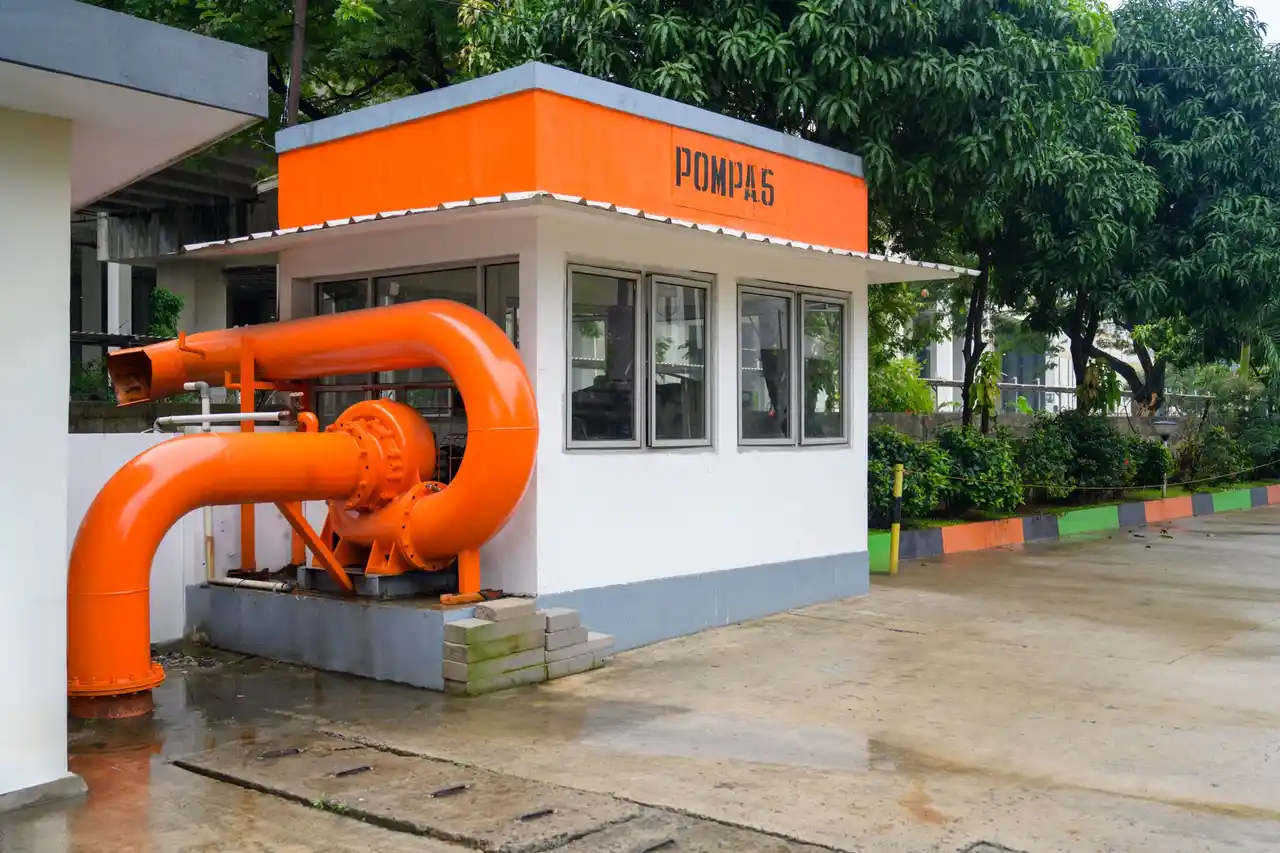
Every install covers the pump, the pit work, the discharge line, and the electrical connection. We tell you upfront what's included and what's a separate add-on, like a sewage pump or a crawl space liner, so there are no surprises on the invoice.

We install sump pumps in Newport homes with stone, block, and poured foundations. Whether your pit is new or you're replacing a dead pump, we size the unit to your water volume and test it before we leave.
We set pumps in rental properties, small commercial basements, and mixed-use buildings around Newport. We work around tenants and schedule the install to minimize disruption.
Sump pump installation Newport KY is a basement water-control service that cuts a sump pit into your lowest floor, sets a submersible pump inside it, and pipes the discharge out of the house so groundwater never pools around your foundation. We core or break out the pit, line it with gravel, set the pump on a level base, and run a discharge pipe through the rim joist with a check valve so water can't run back down. A proper install also includes a dedicated GFCI circuit, a sealed lid, and a float set at the right height for your pit depth.
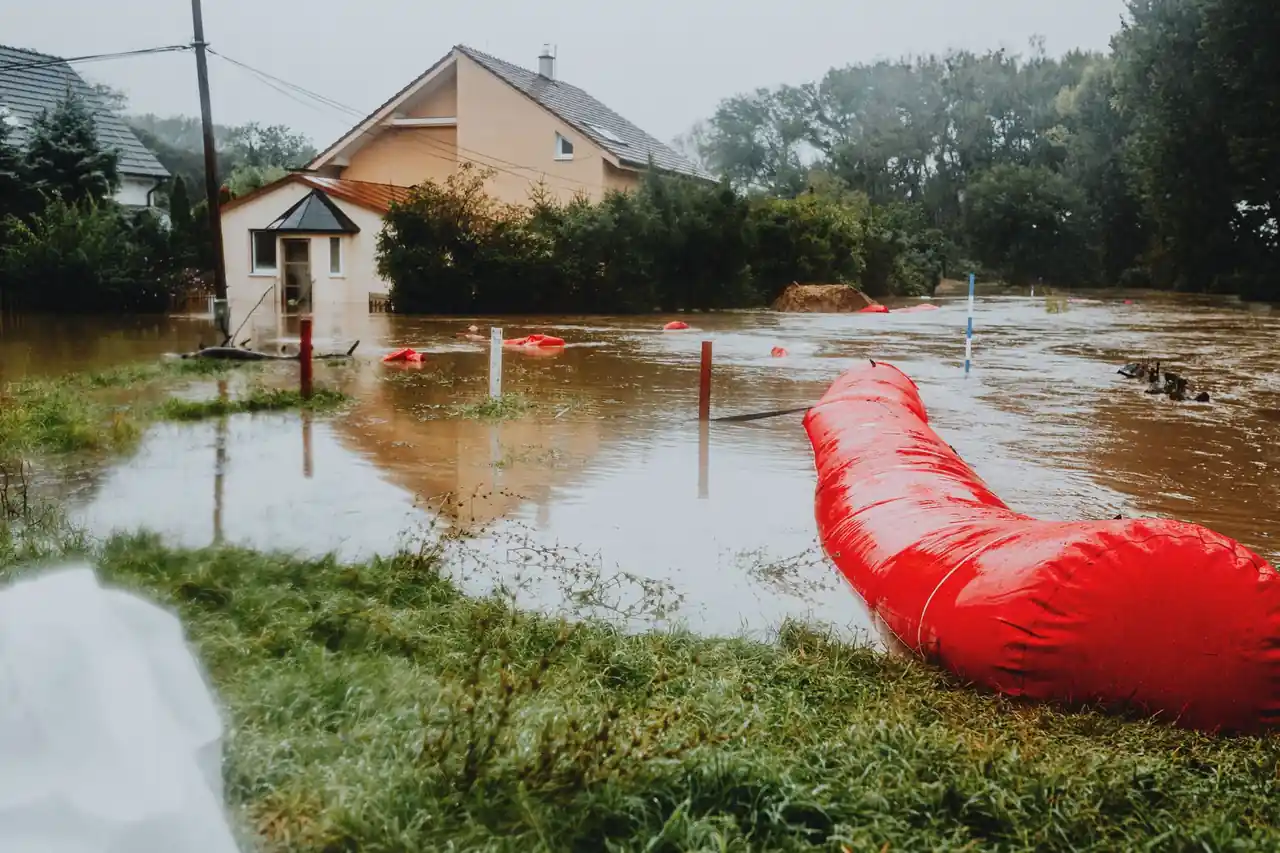
Newport sits along the Ohio River, and the water table here climbs fast after spring rain and summer storms. Homes in Fifth Ward and The Point often have original stone or block foundations that seep under hydrostatic pressure, and a failed pump turns a damp corner into two inches of standing water overnight. If you've been searching sump pump installation near me Newport, the real question is whether your pit, pump, and discharge line can move that volume before it reaches your drywall and baseboard.
A pump only works if the pit, float, and discharge line are sized for the water you actually get.
From the first call to the final test, here's what you can expect when we install a pump in your Newport basement. Most jobs are done in a single day.

You call, we ask what you're seeing: water depth, how often it happens, whether the old pump runs at all. We schedule a visit, usually same day for active water, and bring a moisture meter and thermal imaging camera to map where the water is entering.

On site we check pit depth, diameter, and condition, then look at the discharge route. A boroscope inspection camera lets us see inside the discharge pipe for clogs. We measure the vertical lift and run length so the pump we choose can actually push water out.

We break out or enlarge the pit if needed, lay a gravel bed, and set the submersible pump level. The float gets adjusted so the pump kicks on before water reaches the floor. A check valve goes on the discharge line so nothing siphons back.
The discharge pipe runs up and out through the rim joist, sloped so it drains completely. We seal the penetration with hydraulic cement and polyurethane sealant, then wire the pump to a dedicated GFCI circuit and test the float by hand.

We fill the pit with a hose, watch the pump cycle three or four times, and confirm the discharge is clear. You get a walkthrough of the check valve, the float, and what to listen for. Total time on a standard install runs three to five hours.
The core of the system. We set Zoeller, Wayne, or Liberty Pumps units sized to your pit volume and discharge lift so the pump moves water without short cycling.
We measure the slab and the air before and after the install. Readings tell us whether the space is actually dry or just looks dry on the surface.

We scan the walls and floor to find hidden moisture and cold spots that point to water entry. It shows us where the pump and discharge line need to focus.
We run it inside the discharge pipe to check for clogs, cracks, and blockages. It saves us from guessing why an old pump can't keep up.
When there's water on the floor during the install, we pull it up with a Shop-Vac or RIDGID unit and a portable extractor so we're working on a dry surface.

After extraction, we set Dri-Eaz or Phoenix Restoration Equipment air movers and a dehumidifier to dry the slab and walls while we install the pump.
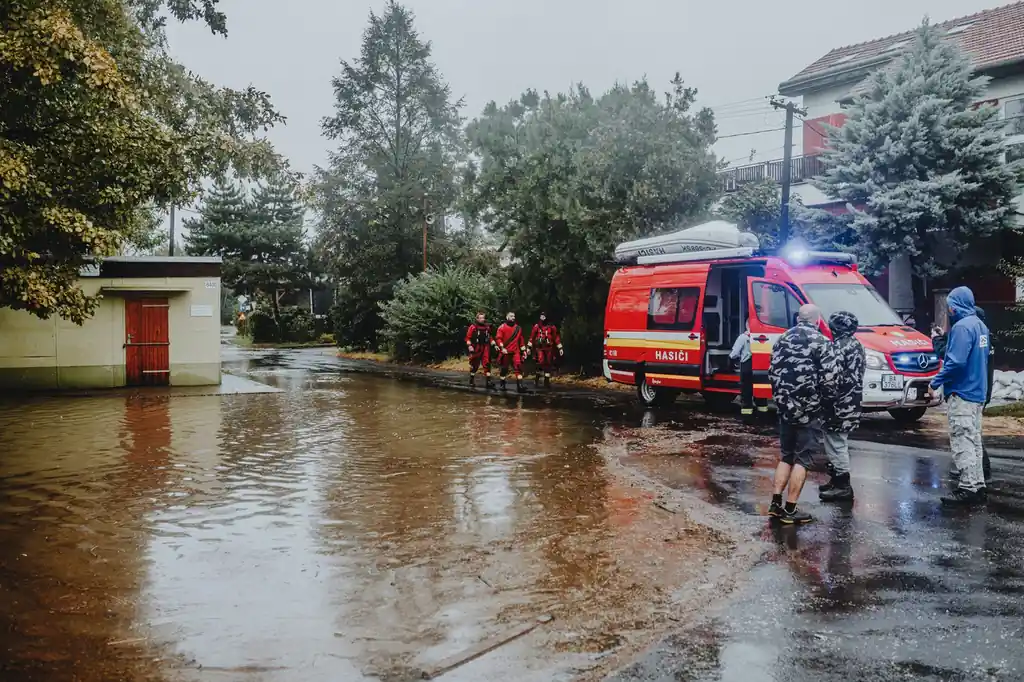
We measure the pit diameter and depth, then calculate how much water it holds. That number, plus the discharge lift, tells us the pump size and run time needed to keep the pit from overflowing during a storm.

We map the discharge line from the pit to the exterior, checking slope, freeze risk, and where the water lands. The line has to drain completely or it freezes and backs up in winter.
We pump out the standing water with a portable extraction unit, dry the floor with air movers, and install a new submersible pump the same day. We test the float and discharge before we leave. You get a dry floor, a working pump, and a written warranty on the install.
We cut the pit, set the pump, run the discharge line, and wire the GFCI circuit before your framing goes up. We coordinate with your contractor so the pump is in the right spot. Your finished basement has water protection built in from day one, not added after a flood.
We assess the pit and discharge route, install a correctly sized pump, and give you documentation of the work. We can coordinate with your realtor and the closing timeline. The sale moves forward with a working pump and a documented install.
We remove the water, dry the space, install a vapor barrier and crawl space liner, and set a sump pump if the water table calls for one. A hygrometer confirms the space is dry. The crawl space stays dry, the odor is gone, and the pump handles the spring water table.
Newport's position along the Ohio River means the water table rises fast after spring rain and summer storms, and the older housing stock in Fifth Ward and The Point often has stone or block foundations that seep under hydrostatic pressure. We size pumps for that reality, not for a dry climate. A 1/3 HP pump handles most basements, but homes close to the river or with a deep pit often need 1/2 HP or more. We also plan the discharge route around Newport's freeze patterns, so the line drains completely and doesn't ice up in January. If you need affordable sump pump installation Newport KY, we quote the job upfront and pull the Campbell County permit when one is required. Most installs are done in a single visit, and we test the pump three or four cycles before we leave.
A homeowner called after a spring storm left two inches of water on the basement floor. The old pump hummed but wouldn't move water, and the pit was full of silt.
We extracted the water, cleaned the pit, laid fresh gravel, and installed a 1/2 HP submersible pump with a new check valve. The pump cycled four times during testing and the floor was dry within a day.
We told the homeowner to test the pump every three months by pouring a bucket of water into the pit, and to check the discharge line for ice in January.
A family finishing their basement in Bellevue Avenue had no sump pump at all. The inspector flagged it, and they needed protection before the drywall went up.
We cut a new pit, set a 1/3 HP pump, ran the discharge line through the rim joist, and wired a GFCI circuit. The pump was tested and running before the framing started.
They check the float every few months and keep the pit lid clear. We recommended a battery backup if they want protection during power outages.
A rental property near Thames Street had a pump that ran constantly and never shut off. The discharge line was clogged with silt and the pit was too small for the inflow.
We cleared the discharge line with a boroscope inspection camera, enlarged the pit, and installed a 1/2 HP pump. The pump now runs in normal cycles and the basement stays dry.
The property manager checks the discharge outlet each season and keeps gutters and downspouts clear so roof water doesn't add to the load.
Most Newport basement water calls come down to a pump that's dead, undersized, or fighting a discharge line that can't keep up. Here's what we see and how we fix it.

We pull the pump, check the impeller and float, and replace the unit if it's past saving. A new submersible pump with a clean gravel bed restores the flow rate and keeps the pit empty. The impeller is clogged or worn, so the pit fills and overflows onto the floor during the next storm. You end up with wet drywall and a ruined storage area.

We run a boroscope inspection camera through the discharge pipe, clear the clog, and reroute or insulate the line so it drains completely. A check valve keeps water from sitting in the pipe and freezing. Water can't leave the pit, so the pump short-cycles and burns out. In winter, a frozen discharge line can back water up into the basement within hours.
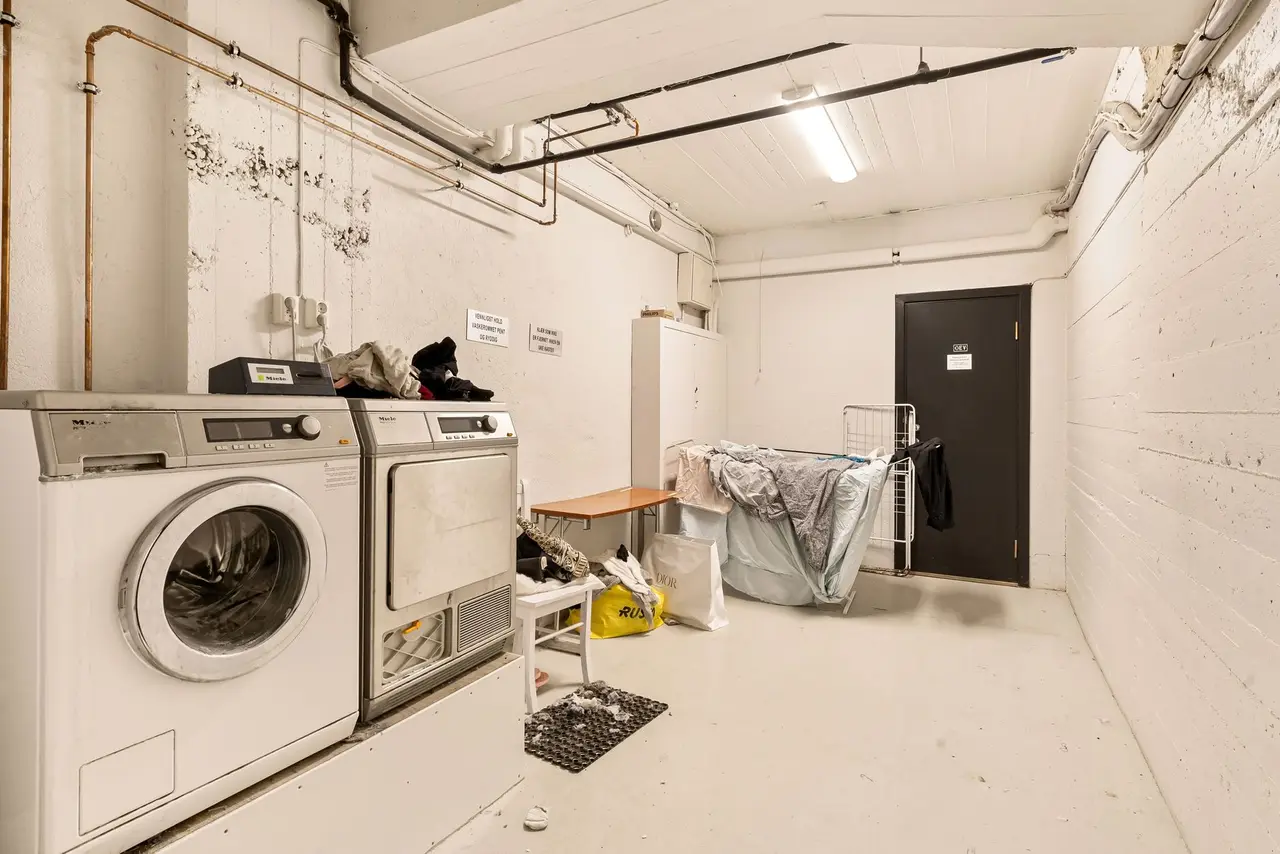
We enlarge the pit, add gravel, and install a larger pump matched to the measured inflow. A deeper pit gives the pump more run time between cycles and a longer service life. The pump cycles every few minutes during a storm and never gets ahead of the inflow. That short cycling wears out the motor and leaves the floor wet.
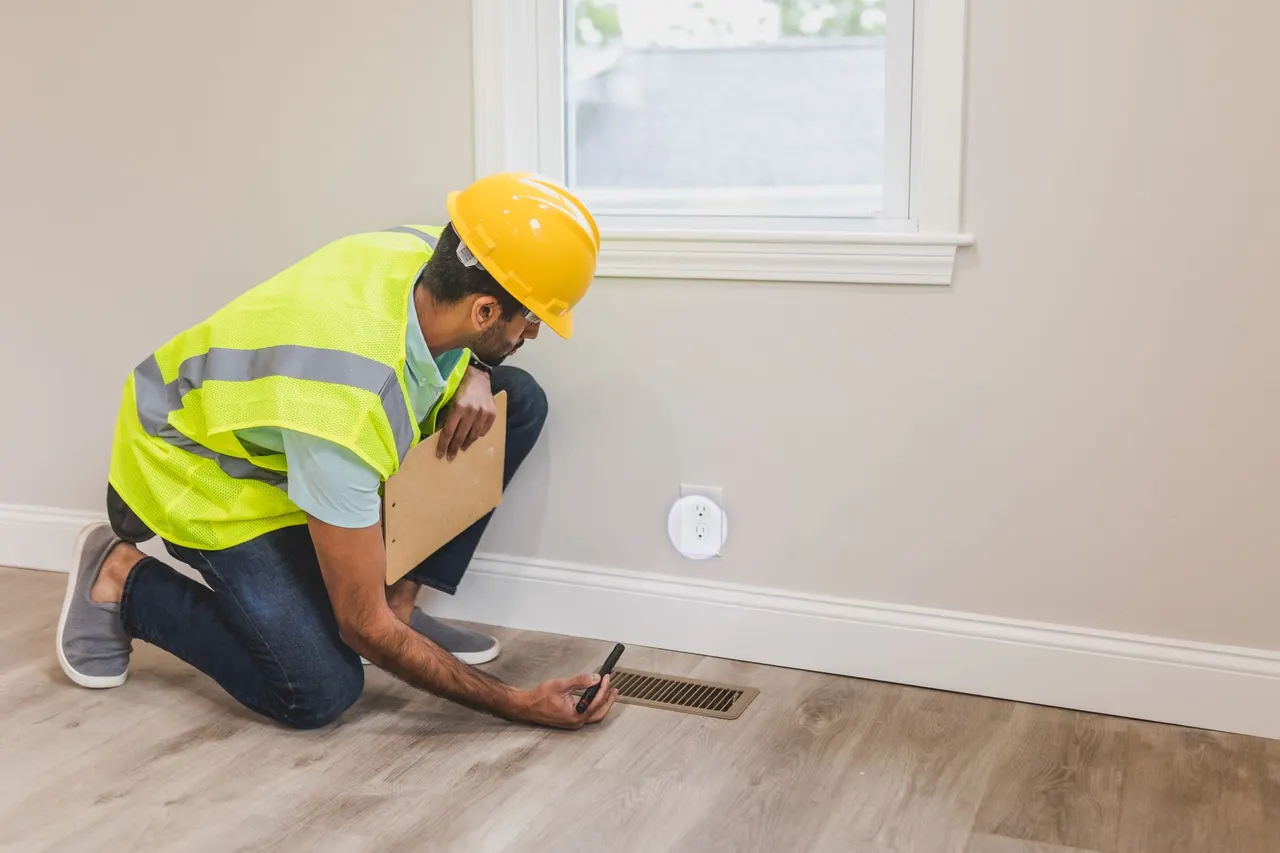
We install the sump pump and discharge line, then address the wall with epoxy crack filler and polyurethane sealant. Relieving the pressure at the pit keeps water from finding the cracks. Water pushes through block or stone foundations even when the pump is running. You get damp walls, efflorescence, and eventually mold growth behind the drywall.
A 1/3 to 1/2 HP submersible pump moves 2,000 to 4,000 gallons per hour, which is enough to keep up with most Newport storm surges. Instead of mopping after every heavy rain, you get a pit that drains itself and a floor that stays dry through the wet season.
Standing water warps hardwood floors, wicks up drywall, and softens mortar in older block foundations. Installing a pump before the next storm keeps hydrostatic pressure from finding the cracks in your basement wall and turning a small seep into a structural problem.
Mold growth can start within 24 to 48 hours of a wet event. A working pump keeps the slab dry so crawl space moisture and musty odors never get a foothold. We pair new installs with a moisture meter check so you know the space is actually drying.
If your basement also has a bathroom or laundry, we can set a sewage pump alongside the sump pump so a backup doesn't flood the floor. Two pumps, two pits, one discharge plan that keeps waste and groundwater separate and code-correct.
Clear records you can keep and share.
Pump size, pit work, and discharge route in writing
Pump cycled and discharge confirmed clear
You see how the float and check valve work
Pump size matters more than brand. A pump that's too small short-cycles and burns out; one that's too large wastes energy and runs less efficiently. We measure your pit and discharge lift before recommending a unit.
A deeper, wider pit holds more water and gives the pump more run time between cycles. If your pit is shallow, we enlarge it before setting the pump.
The higher the water has to travel, the more power the pump needs. A long run or a high exit point means a larger pump or a different discharge route.
The float should trip the pump before water reaches the floor. We adjust it on site and test it by hand so you know it works.

Outside these areas? Call and ask - we may still be able to help. +18598328132
Most residential installs in Newport run $450 to $1,800 depending on pit condition, pump size, and discharge route. A straight swap of an existing pump is on the low end. Cutting a new pit, running a long discharge line, or adding a sewage pump pushes the price up. We give you the number before we start.
We do. Newport Basement Flood Pros handles sump pump replacement in Newport KY and the surrounding Campbell County neighborhoods. If your old pump hums but won't move water, or it runs constantly and never shuts off, call us and we'll diagnose it, then replace the pump, float, or check valve as needed.
A standard replacement takes two to four hours. A new pit, discharge line, and electrical connection usually runs four to six hours, done in one visit. If we find a cracked foundation or a clogged discharge line, we'll tell you what it adds before we continue. Same day sump pump installation Newport KY is often possible.
Most Newport basements do well with a 1/3 HP submersible pump if the discharge lift is under 10 feet. Go to 1/2 HP or 3/4 HP when the run is longer, the pit is deep, or the water table is high. We measure your pit and discharge route before recommending a size.
One call gets a local technician to your basement, a clear price, and a pump that's tested before we leave. We install Zoeller, Wayne, and Liberty Pumps systems with a written warranty. Call now and we'll schedule your assessment.
Reach us at +18598328132 any time, day or night. We answer emergency calls around the clock and schedule standard estimates during business hours. Tell us the water source, how deep it is, and whether it smells like sewage - that tells us what to bring. We serve all of Newport and Campbell County.