Item inventory
Photographed and tagged before anything leaves
When a sump pump quits at 2 a.m. or the Ohio River backs into your basement, the first thing you worry about is your stuff. Our furniture and belongings restoration Newport KY service dries, cleans and rebuilds sofas, dressers, rugs and keepsakes instead of sending them to the curb. We work Newport homes and businesses from Downtown to Bellevue Avenue, and we start the same day you call.
Every job starts with an assessment, and the scope follows what we find. Here is what is standard on a Newport content restoration job, and what we quote separately once we see the damage.
We handle contents in finished basements, storage rooms and ground-floor living spaces. You get an item list, a drying plan and a call before anything comes back.
We work with property managers, landlords and small offices after water losses. Contents are inventoried, dried or replaced, and documented for the claim.
Furniture and belongings restoration Newport KY is the process of stabilizing, drying, cleaning and repairing household items that have been soaked by clean water, grey water or sewage. It is not one machine and a fan. We photograph and inventory each piece, test moisture with a meter and thermal imaging camera, then choose a path: on-site drying, pack-out to our controlled drying room, or careful disposal when contamination makes salvage unsafe. Upholstery, veneered wood, electronics, paper and textiles all dry at different rates, so each item gets its own plan.
Newport basements flood for predictable reasons. The city sits low along the Ohio River, and blocks near The Point and Lower Thames deal with hydrostatic pressure pushing groundwater through foundation cracks every spring. Older homes in Historic Hill and Fifth Ward still have stone foundations and clay sewer laterals that back up during heavy rain. If you have been searching for furniture and belongings restoration near me Newport after a storm, that mix of river water, sewage backup and humidity is exactly what we handle.
We dry and clean what can be saved, and we say plainly what cannot.
Every job follows the same order: stop the water, document what is wet, dry it, clean it, put it back. Here is what you will see from us.
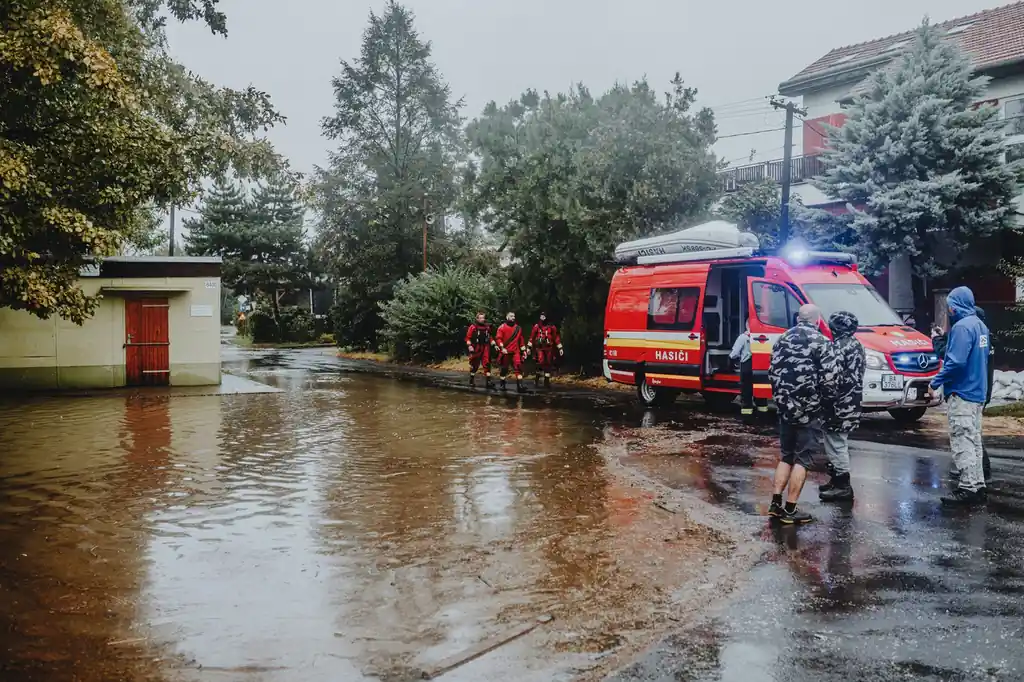
You call, we ask what flooded and when. A technician arrives, walks the space with a moisture meter and thermal imaging camera, and tells you on the spot which items we can save. Expect 45 to 60 minutes for a standard Newport basement assessment.
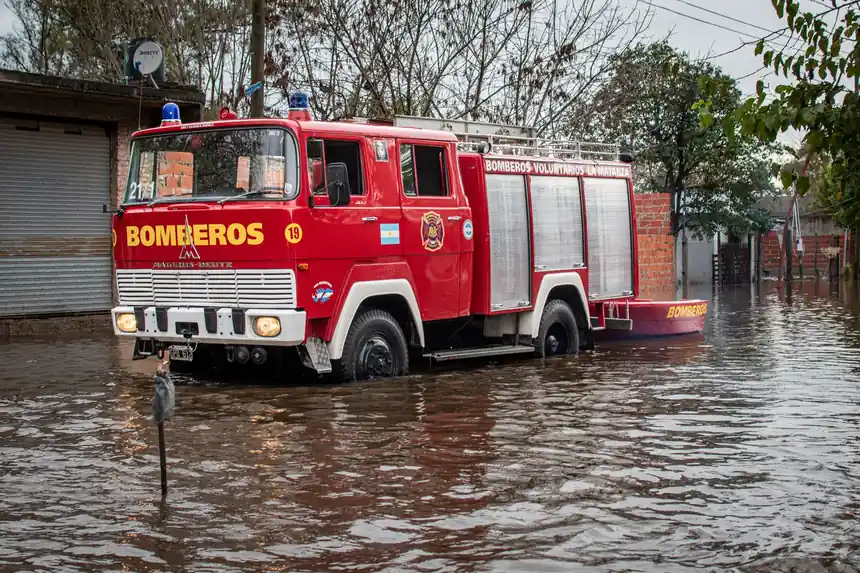
Before anything moves, we pull standing water with a truck-mounted water extractor or portable extraction unit, then set air movers and dehumidifiers to knock down ambient humidity. Furniture legs get blocked up on foam so they are not sitting in a wet carpet while we work.
We photograph, tag and log each item, then pack it out to our drying room if it cannot be safely dried in place. Upholstery, rugs, books and electronics get separated by material so drying schedules do not conflict. You get a copy of the inventory the same day.
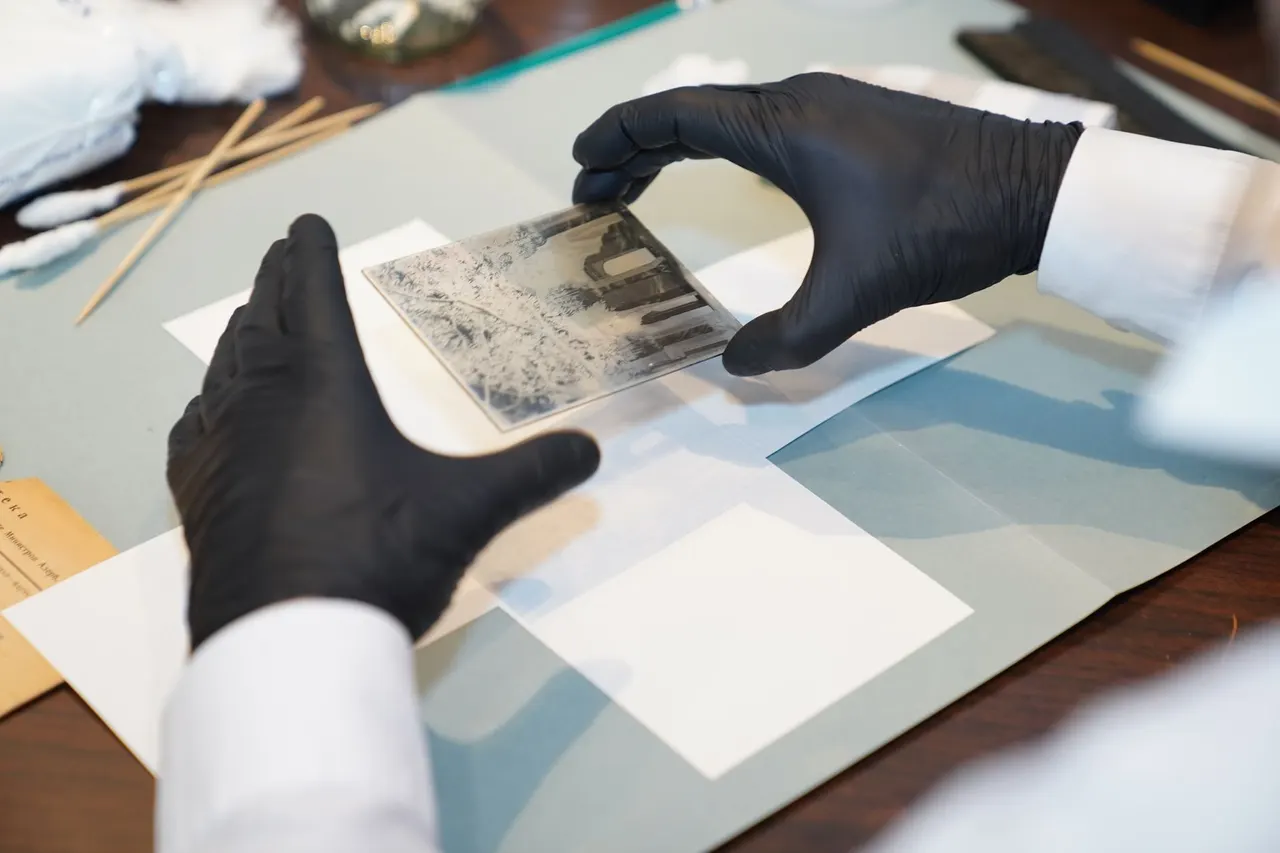
Wood dries slowly under controlled airflow. Fabric goes through extraction and antimicrobial treatment. Paper and photos go into freeze-drying or air-drying racks. For smoke or sewage odors we run an ozone generator in an empty room, then verify with a hygrometer before anything comes back.
Once the structure passes a final moisture check, we bring your belongings back, reassemble what we took apart, and walk the space with you. If a piece needs refinishing or a new cushion, we tell you before we return it, not after.
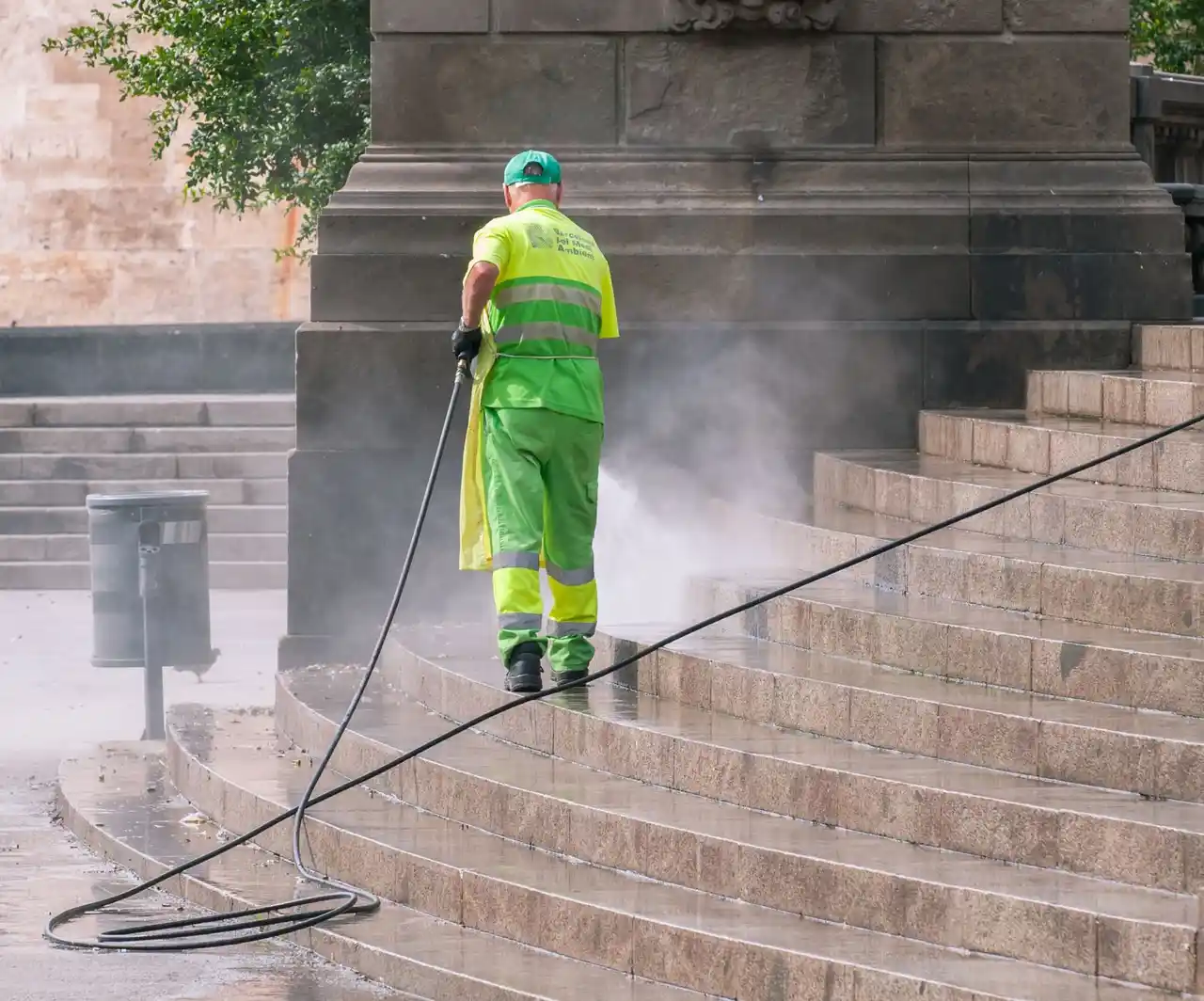
Pulls water out of carpet and padding before we move furniture, so items are not sitting in a soaked floor while we inventory.
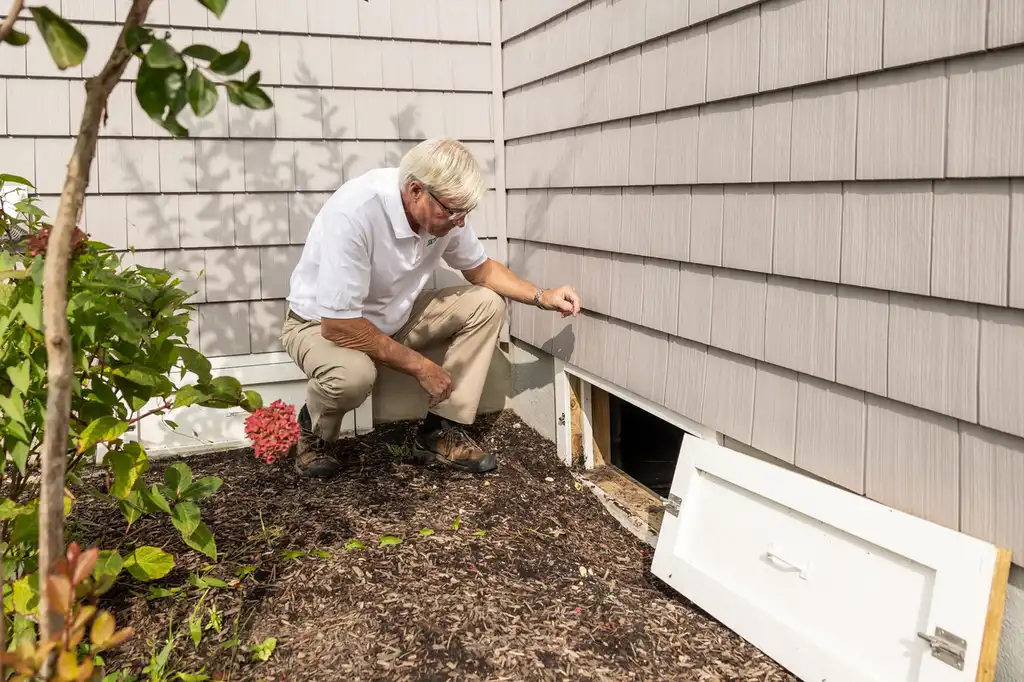
Finds water inside upholstery, wood and wall cavities that is not visible from the surface, so we know what actually needs drying.
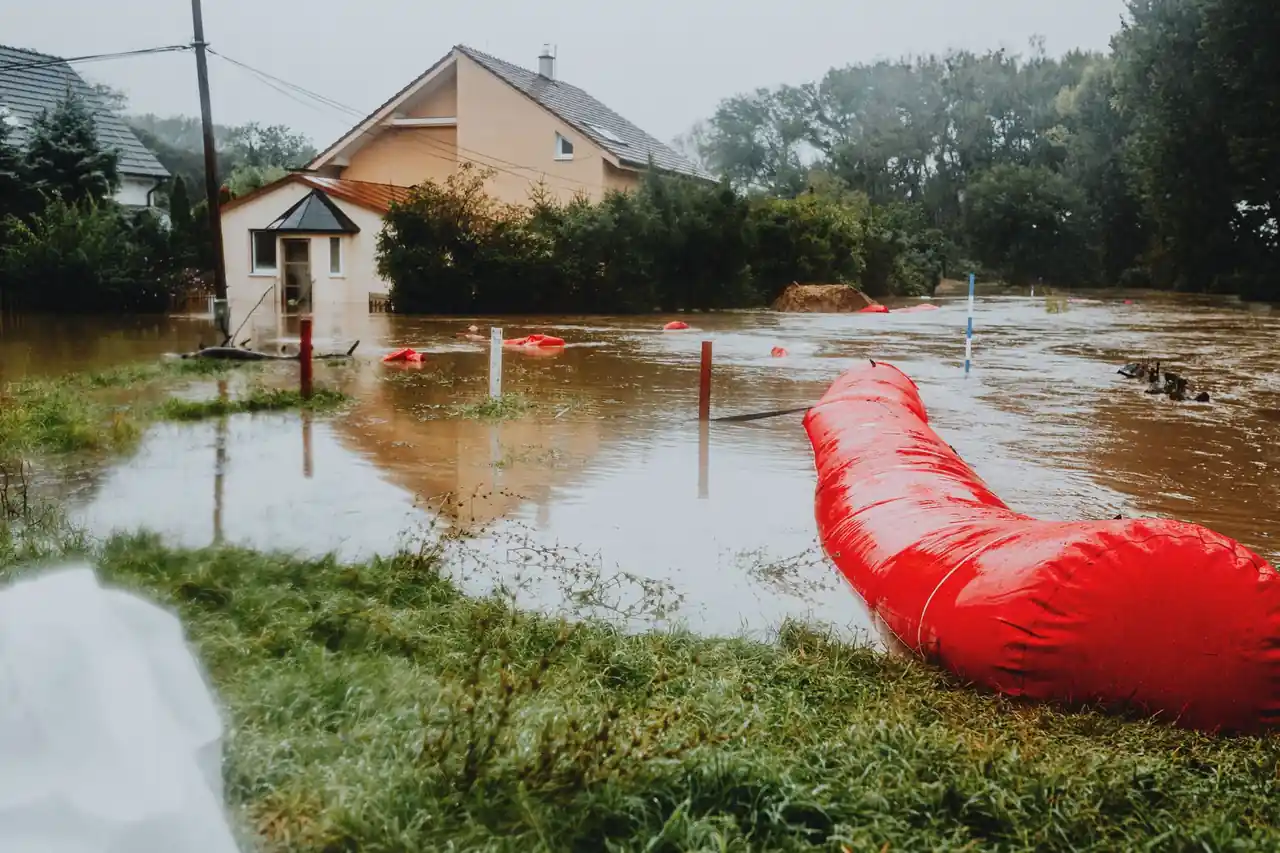
Run continuously to hold the room below 50 percent relative humidity while contents dry. We check readings with a hygrometer each day.
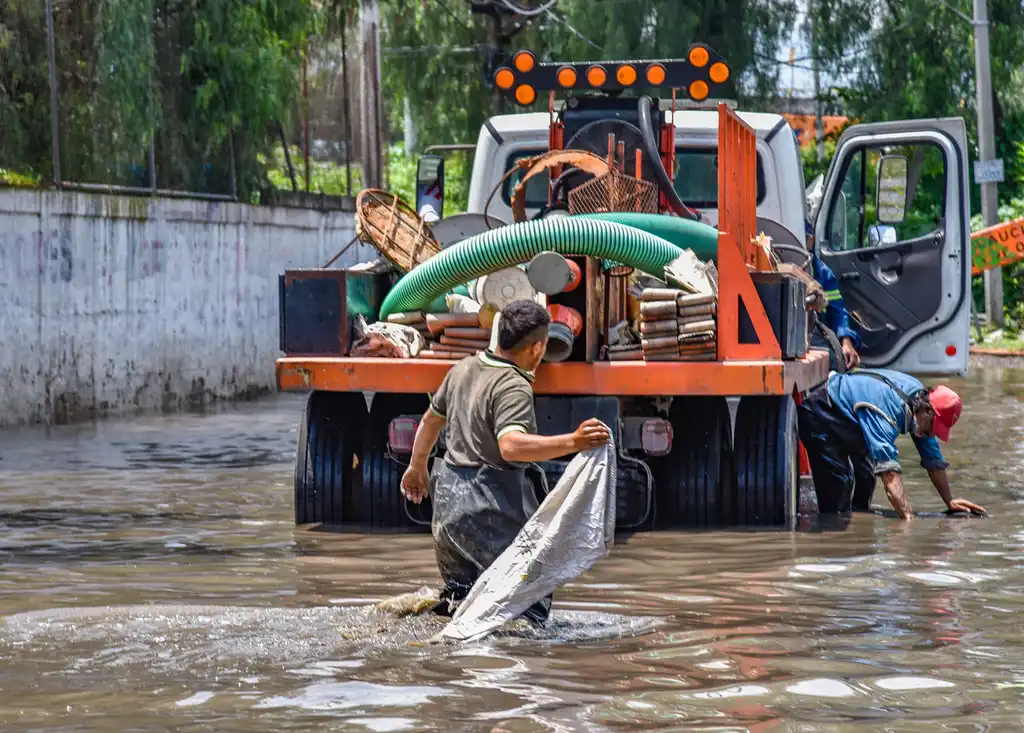
Treats flood and sewage odors in empty rooms after cleaning. We run it with the space closed and verify the smell afterward.
Lets us look inside wall cavities and behind baseboards for hidden moisture and mold before we return contents to the room.
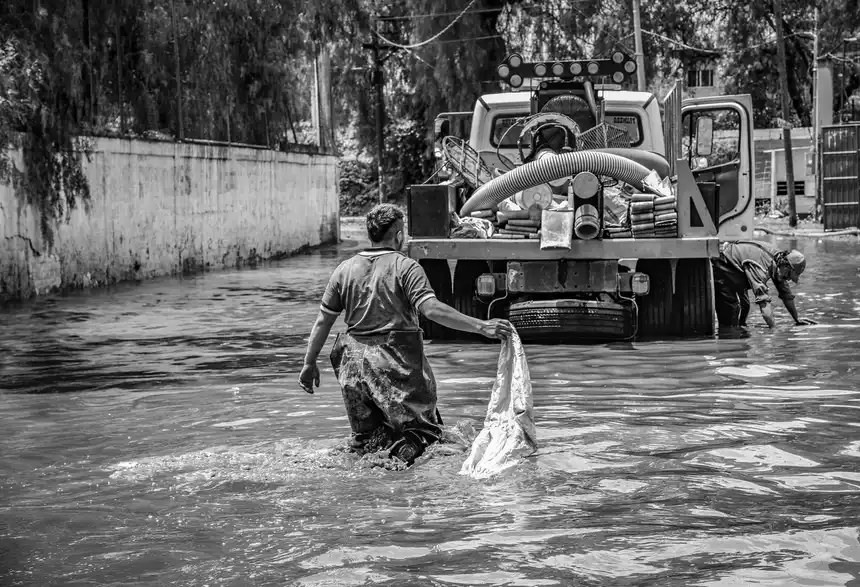
Handles smaller extraction jobs and detail work on upholstery, drawers and tight spaces the truck mount cannot reach.
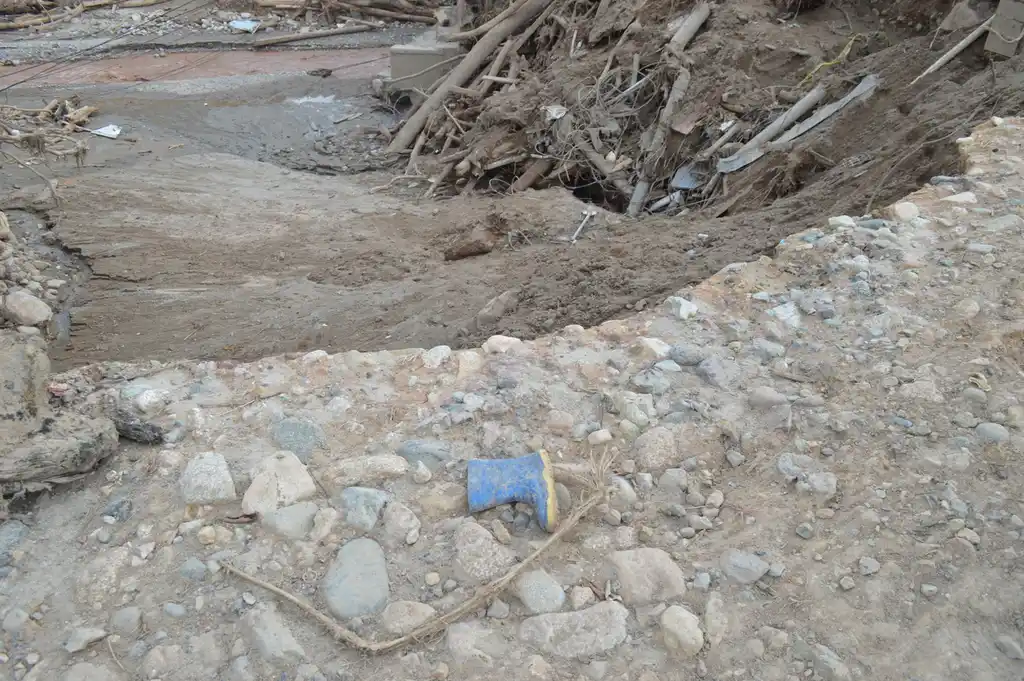
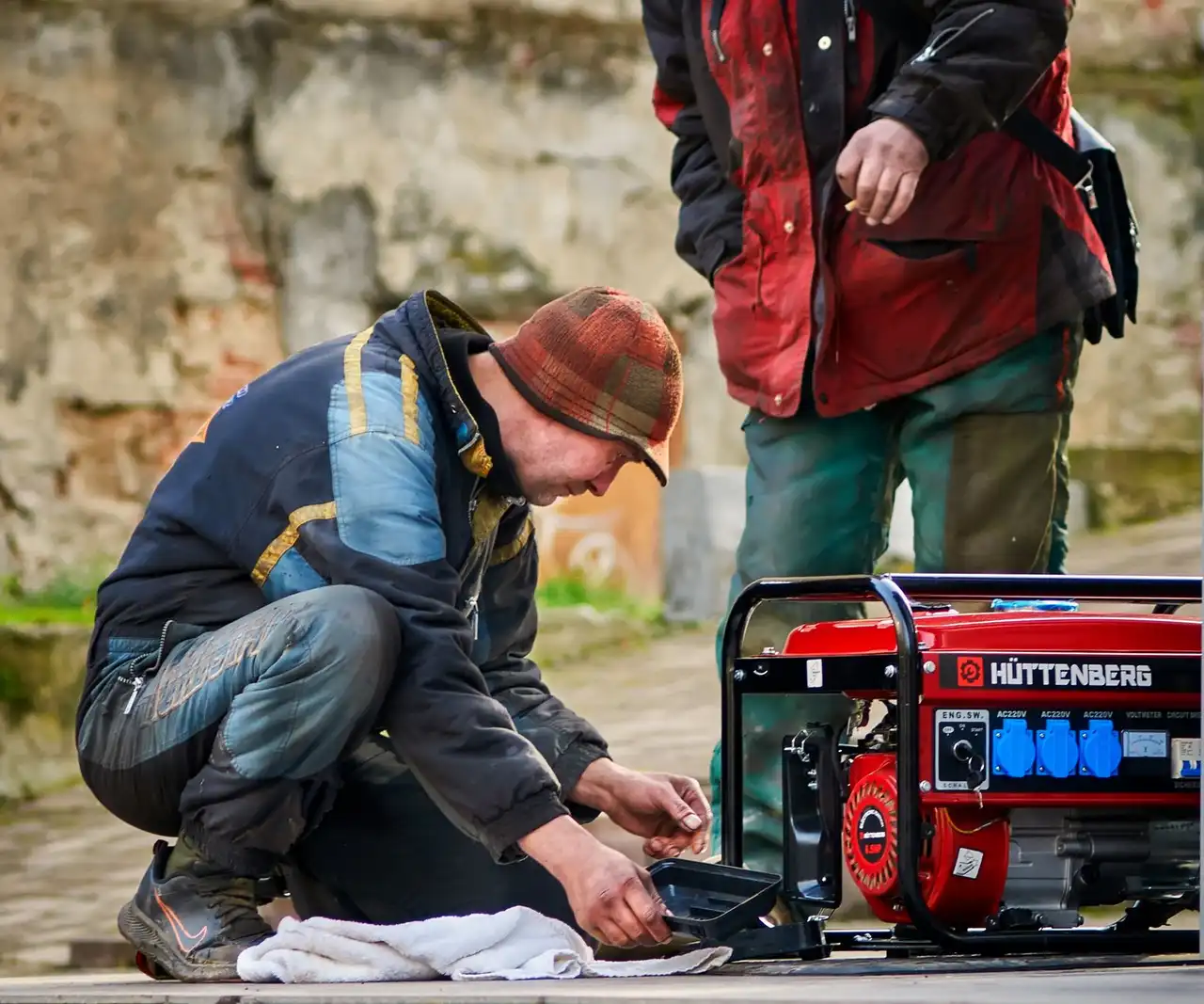
We follow the same drying science on contents that we use on structures: measure, dry, verify. Every day we log moisture readings and adjust airflow until the material reaches its dry standard.
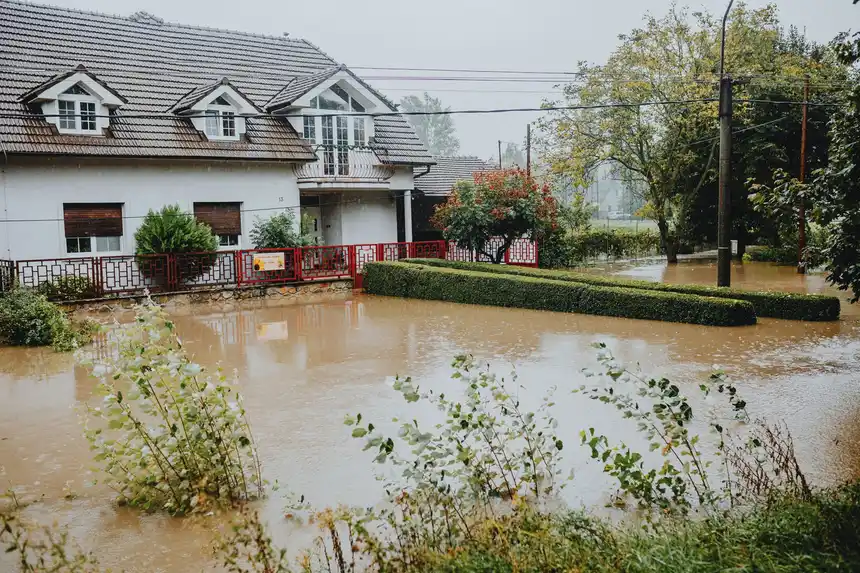
Water type decides what can be saved. Clean water losses get on-site drying; grey and Category 3 losses go to pack-out, cleaning and disposal where needed. We make that call item by item, not by room.
We extract the standing water, block furniture off the floor, and start drying the room and contents together. Upholstered pieces get extracted and treated; wood gets controlled airflow. Most contents are dry in three to five days, and the basement passes a final moisture check before anything is returned.
We treat it as Category 3, remove what cannot be saved, and pack out the salvageable pieces for deep cleaning and ozone treatment. The room gets sanitized before pack-back. The tenant gets a clean, odor-free unit back, and the landlord has documentation for the insurance claim.
We assess the damage, pack out wet furniture and paper items, and dry the structure. Photos and documents go into freeze-drying or air-drying racks instead of the standard drying room. Furniture comes back in about a week, and the family photos that looked ruined are recovered and returned.
We pump the water, inventory the contents, and separate electronics, paper and furniture by material. Each category gets its own drying and cleaning approach. The office reopens with restored furniture and digitized files, and the owner has a documented loss record for the claim.
Newport's geography drives most of our content work. The Ohio River sits at the bottom of the city, and blocks near The Point, Lower Thames and the riverfront flood first when the river rises. Uphill neighborhoods like Historic Hill and Top of the Hill deal with a different problem: clay soil and old stone foundations that push groundwater through cracks during spring rain. Both scenarios soak furniture, and both need the same fast response. We also work in a lot of pre-1978 homes, which is why EPA Lead-Safe Certification matters when we open walls or handle painted surfaces. Campbell County permitting applies to structural repairs, and we handle that paperwork so you are not chasing it. If you need 24/7 furniture water damage restoration in Newport, Kentucky during a storm, call and we will tell you honestly how fast we can get there. Most of our Newport content jobs start within a few hours of the first call.
A sewer backup pushed two inches of Category 3 water into a finished basement, soaking a sectional, an area rug and two upholstered chairs. The homeowner assumed all of it was a loss and had already started pricing replacements.
We packed out the sectional and chairs, deep-cleaned and treated them with antimicrobial solution, and ran ozone in the emptied room. The rug was a loss; the furniture came back clean and odor-free in eight days. The claim covered cleaning instead of a full replacement.
We recommended a backwater valve on the sewer lateral and a yearly sump pump check before spring. Both are cheap compared to replacing a furnished basement again.
A supply line failed overnight and water spread across a storage room, soaking a cedar chest, three photo albums and a box of documents. The paper had been wet for about ten hours by the time the homeowner called.
We freeze-dried the albums and documents and hand-dried the cedar chest under controlled airflow. All three albums were recovered, the documents were readable, and the chest came back without warping or veneer damage. Total turnaround was ten days.
We suggested storing paper items in sealed plastic bins on a shelf rather than the floor, and adding a leak sensor near the supply line.
River flooding pushed water into a ground-floor office near Lower Thames, soaking desks, chairs, filing cabinets and stored paper records. The owner needed the space back open within two weeks.
We pumped the water, inventoried the contents, and separated furniture, electronics and paper by material. Furniture was dried and cleaned, paper was freeze-dried and digitized, and the office reopened in twelve days with a documented loss record for the claim.
We recommended elevating file storage at least six inches off the floor and keeping a portable extraction unit on site for the next high-water event.
Most content losses in Newport come from a handful of repeat offenders. Here is what we see and how we handle it.
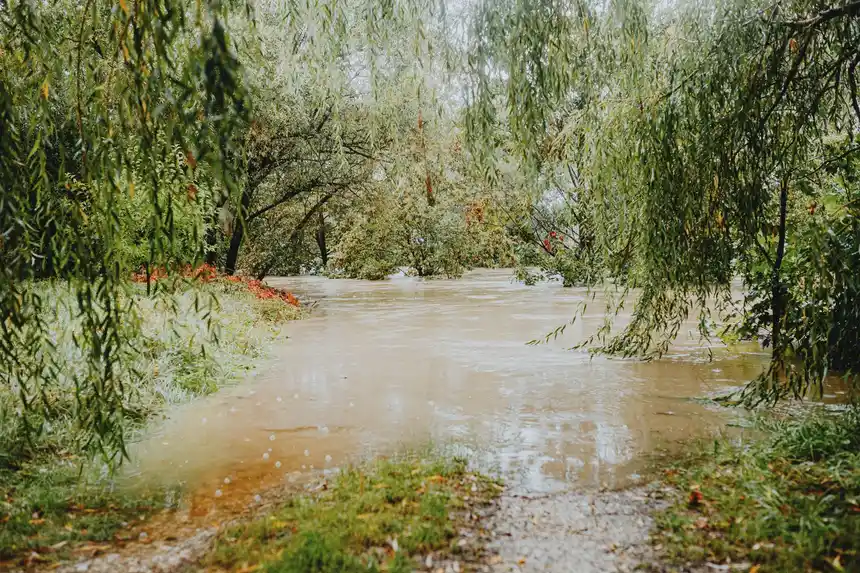
We treat sewage-contaminated contents as hazardous until proven clean. Items that cannot be saved are documented and disposed of properly; salvageable pieces get antimicrobial solution, deep cleaning and ozone treatment before they go back inside. Category 3 water carries bacteria that regular cleaning will not remove. Left alone, it spreads contamination and odor through the basement.
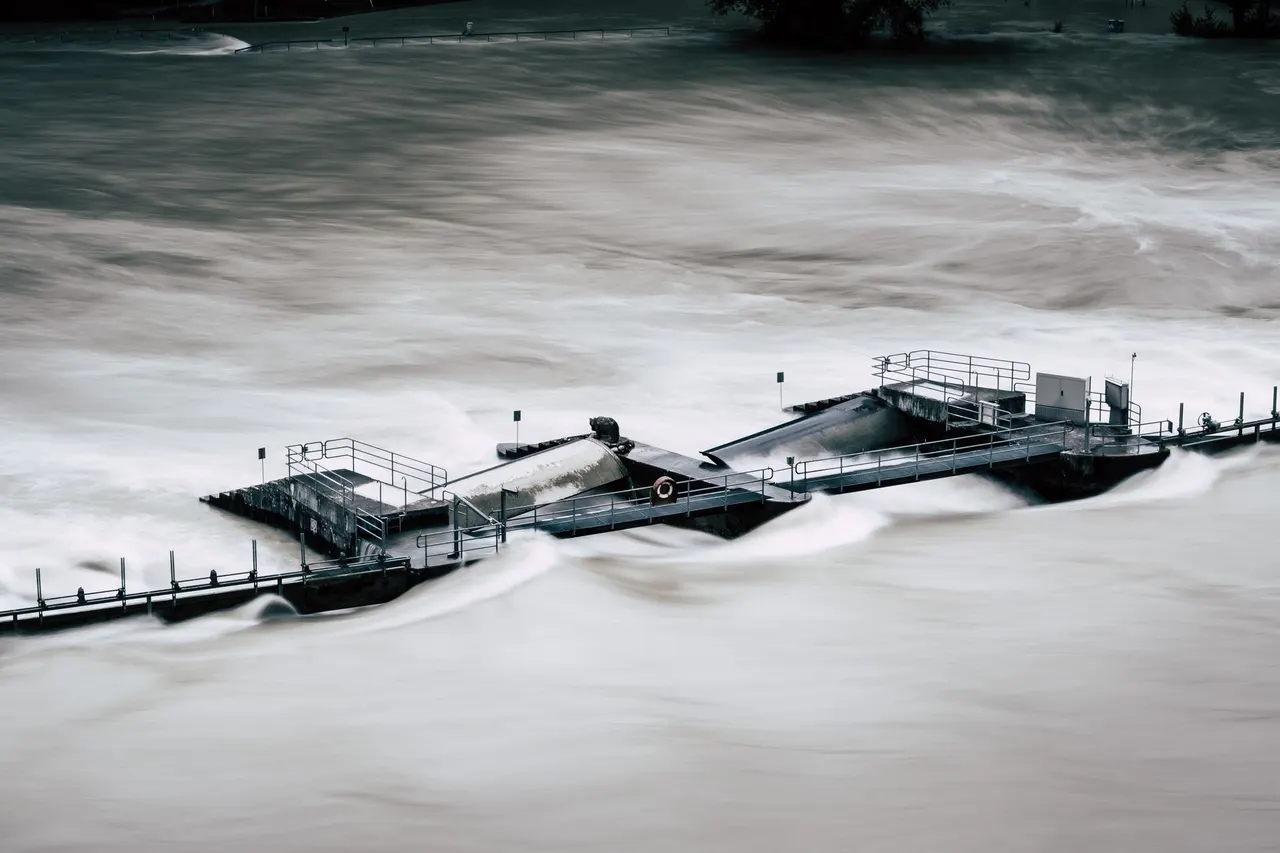
We assess particleboard and MDF first, because the clock runs out fastest on them. If the core has swollen, we tell you immediately so you can file it as a loss instead of paying to dry something that will not come back. Flat-pack furniture absorbs water fast and swells permanently. Waiting a day usually turns a cheap fix into a replacement.
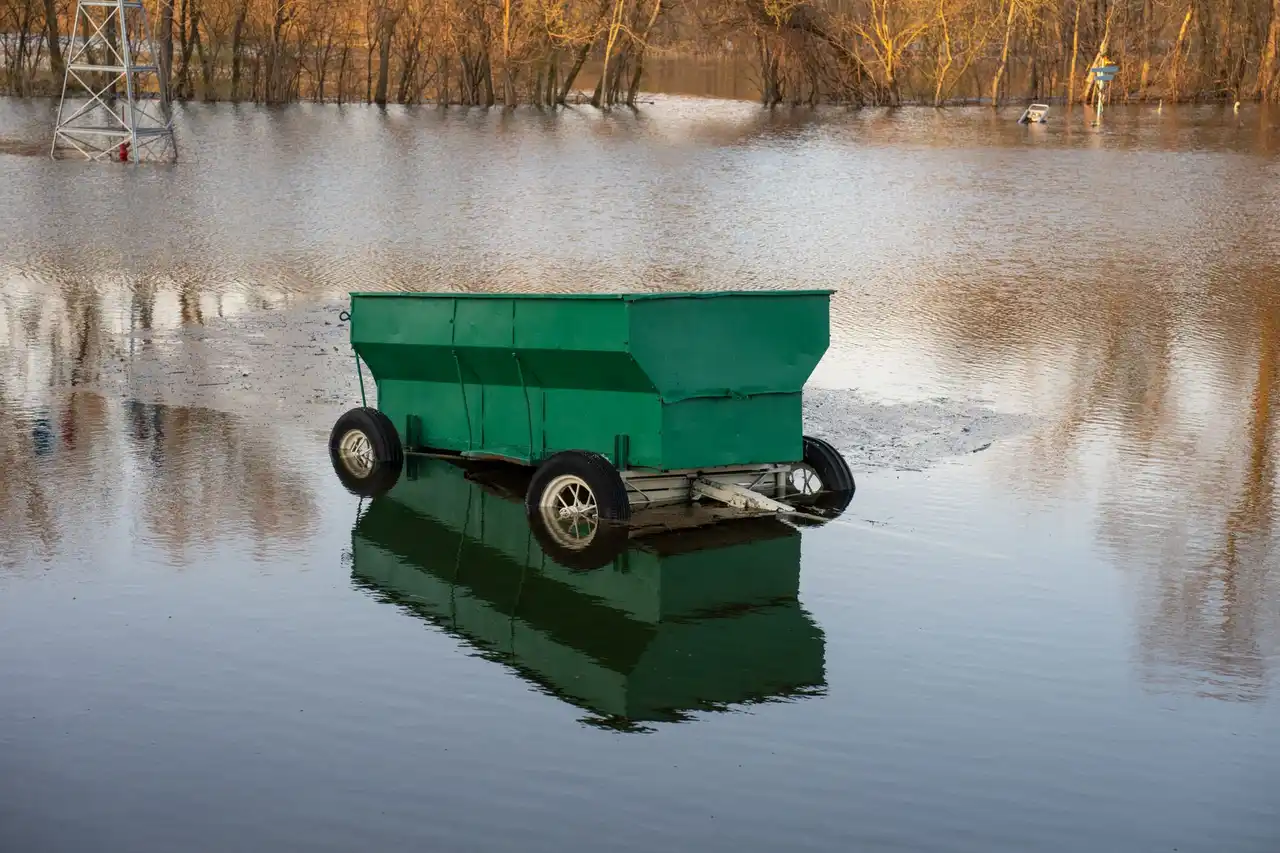
We run a mold inspection with a boroscope inspection camera where needed, remediate the affected area, and treat contents individually. Ozone handles the odor in empty rooms, and we verify before pack-back. A basement that smells musty after a flood usually means mold is growing in fabric, wood or wall cavities. Ignoring it spreads the problem to everything stored nearby.
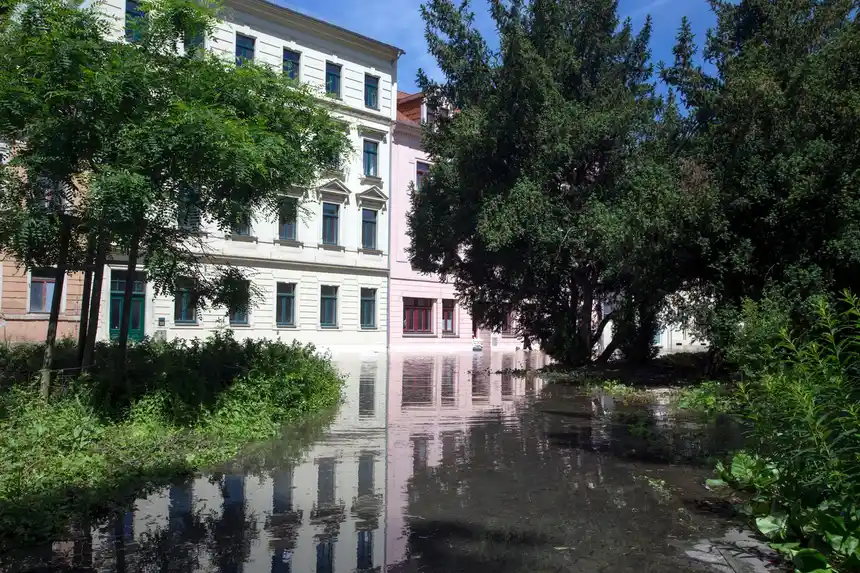
We dry wood under controlled airflow with dehumidifiers and air movers, checking with a hygrometer as we go. Slower is better for solid wood, and it is the difference between a restored dresser and a cracked one. Blasting heat at wet wood pulls moisture out unevenly and causes warping, joint separation and veneer lifting that cannot be reversed.
Grandma's cedar chest, a wedding photo album, the kids' baby books. We freeze-dry and hand-clean paper and photographs, and we treat solid wood with controlled drying rather than heat that warps it. In one Kay Street job we recovered 40 years of family photos from a flooded storage bin.
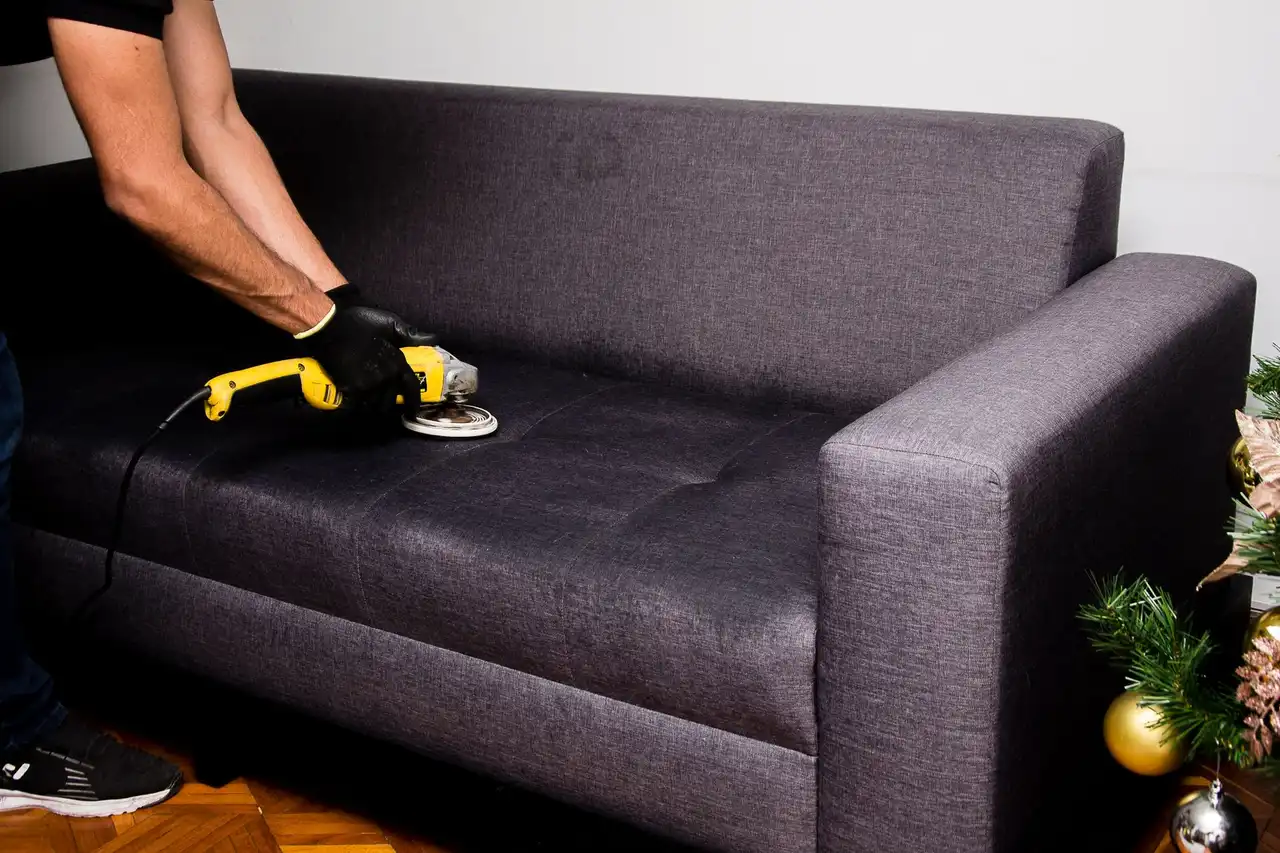
Wet upholstery and particleboard start growing mold within 24 to 48 hours. We apply antimicrobial solution, run dehumidifiers and air movers, and hold the room below 50 percent relative humidity until readings are stable. That is the difference between cleaning a couch and replacing a whole basement of furniture.
For sewage backup or Category 3 water, items cannot stay in the house. Our same day belongings restoration Newport KY crews box, tag and haul contents to a clean drying space, then return everything once the structure passes moisture checks. Most pack-outs take two to four hours on site.
We log every item with photos, moisture readings and a condition note before and after. That file is what adjusters ask for, and it is why claims move faster. We can also separate salvageable from non-salvageable so you are not paying to dry something that will not survive.
Clear records you can keep and share.
Photographed and tagged before anything leaves
Daily moisture readings until the dry standard
Counts and condition confirmed at return
Water type and material matter more than how wet something looks. Clean water on solid wood is usually recoverable; sewage on particleboard usually is not.
Clean supply-line water is the easiest to handle. Sewage backup is treated as contaminated, and some items cannot be safely cleaned.
Solid wood and metal dry and clean well. Particleboard and MDF swell at the core and rarely come back once soaked.
The first 24 to 48 hours decide most outcomes. Mold starts growing in wet fabric and wood within that window.

Outside these areas? Call and ask - we may still be able to help. +18598328132
Most single-room content jobs in Newport run $400 to $1,800 in 2026, and a full basement pack-out with drying typically lands between $1,500 and $4,500. Price depends on how many items are wet, whether the water was clean or sewage-contaminated, and how much needs pack-out versus on-site drying. We give you a written range before we start, and we separate salvageable from non-salvageable so you are not paying to dry something that will not survive.
We do. Newport Basement Flood Pros handles furniture water damage restoration Newport KY for homes and businesses across Campbell County, including Downtown Newport, Bellevue Avenue and The Point. We are IICRC WRT and ASD trained, we carry EPA Lead-Safe Certification for older homes, and we work directly with insurance adjusters. Call +18598328132 and we will tell you over the phone whether the job sounds like a same-day pack-out or an on-site dry.
Yes, more than most people expect. Solid wood, metal, glass and quality upholstery usually come back with controlled drying and cleaning. Particleboard, MDF and anything soaked in sewage backup are often a loss. We test each piece with a moisture meter and make the call item by item, so you keep the antiques and skip the swollen flat-pack. Flood damaged furniture restoration Newport KY is one of our most common spring calls.
On-site drying usually takes three to five days, and a pack-out with cleaning runs five to ten days depending on material. Upholstery and rugs dry faster than dense hardwood; paper and photos take longest because they go through freeze-drying or slow air-drying. We give you a day-by-day schedule at pack-out, and we call before we return anything. If you need items back sooner, tell us and we will prioritize the pieces you need most.
Every hour a wet couch sits, mold gets a better foothold. Call +18598328132 and we will tell you what is salvageable, what it costs, and when we can be there. Same-day assessments across Newport and Campbell County.
Reach us at +18598328132 any time, day or night. We answer emergency calls around the clock and schedule standard estimates during business hours. Tell us the water source, how deep it is, and whether it smells like sewage - that tells us what to bring. We serve all of Newport and Campbell County.