Moisture readings
Before and after, in writing
Crawl Space Water Removal Newport KY is the service that gets standing water out of the dirt under your house before it rots the floor above it. We handle crawl space water extraction in Newport, Kentucky for homeowners in Campbell County whose sump pumps quit, whose foundation cracks seep, or whose gutters dump water at the footing. We show up with truck-mounted extractors and drying gear, and we don't leave until the moisture meter reads normal.
Every crawl space water removal job includes the core work: inspection, extraction, drying and treatment. What varies is how much debris, insulation and mold we find once we're under the house. We tell you upfront what's included and what's an add-on, so there are no surprises on the invoice.
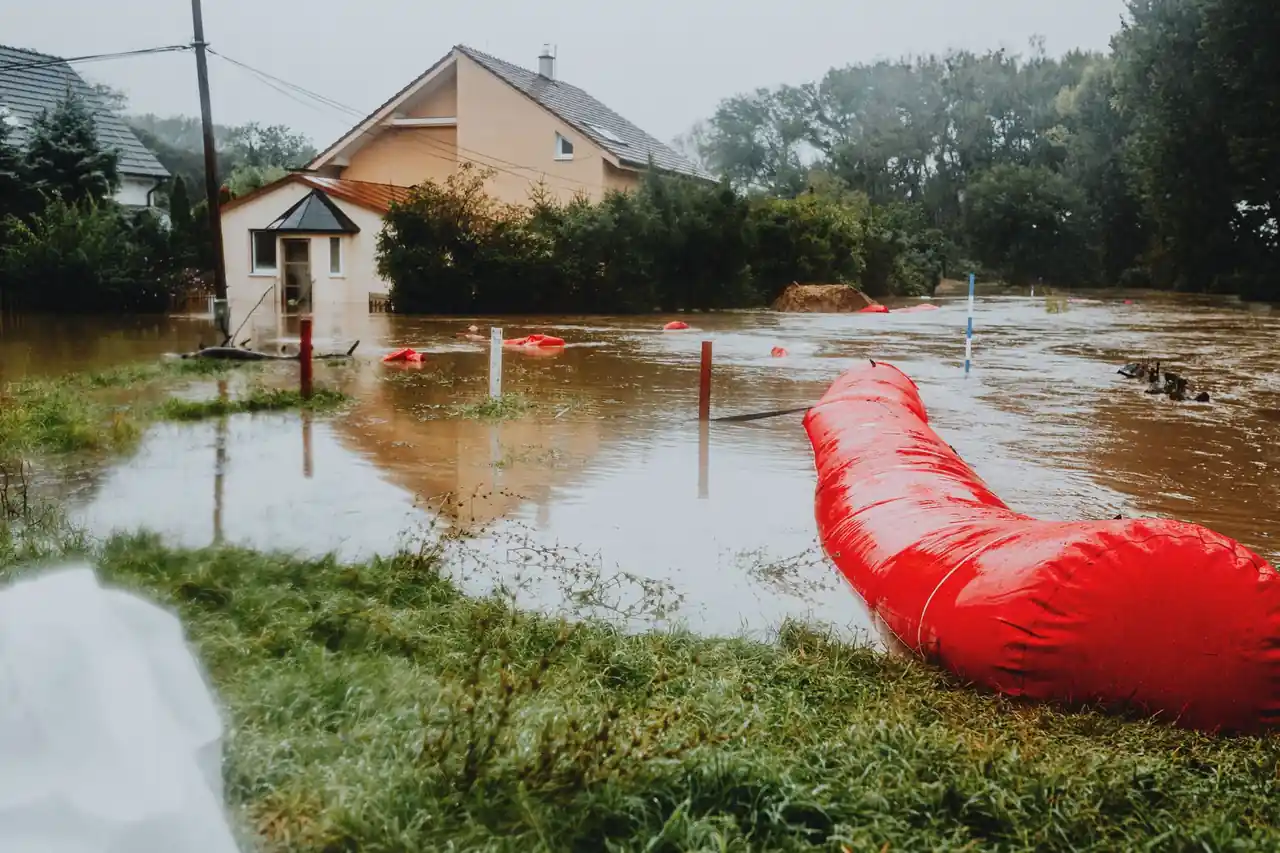
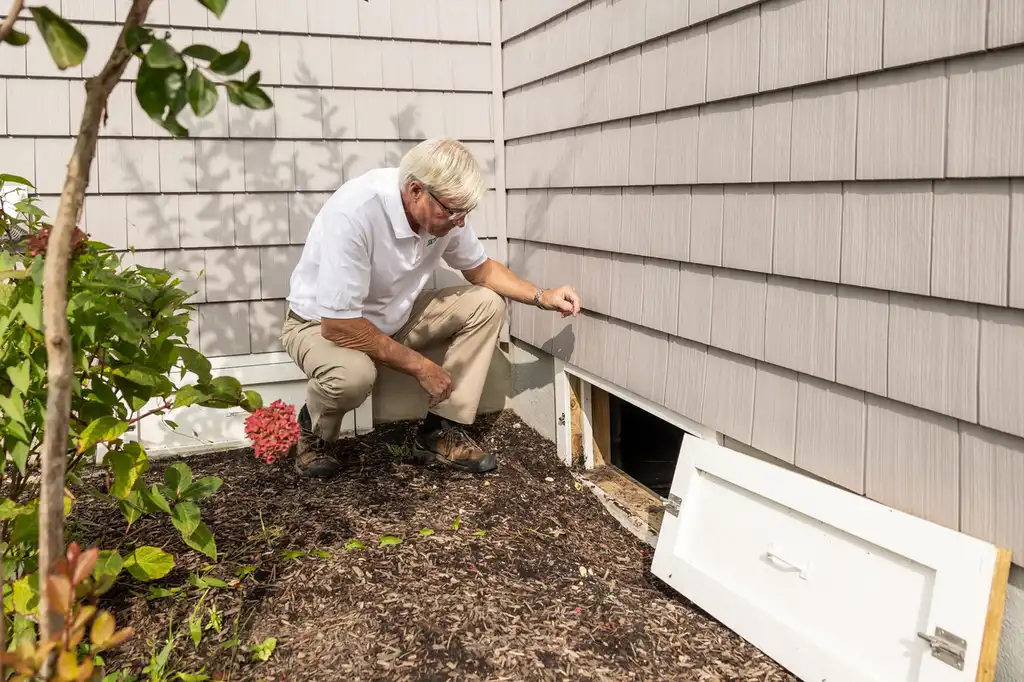
We handle crawl space water for homeowners and renters across Newport. Whether it's a puddle after a storm or a chronic damp smell, we find the source and dry the space.
We work with landlords, property managers and small commercial owners in Newport. We schedule around tenants and document the work for your records.
Crawl Space Water Removal Newport KY is the process of pumping, extracting and drying standing water from the unvented space under a home so the structure above it stops absorbing moisture. We start with a boroscope inspection camera and a thermal imaging camera to find where the water is entering, then drop a submersible sump pump or a truck-mounted water extractor into the lowest point. After the bulk water is gone, we set air movers and a dehumidifier, treat the soil and joists with an antimicrobial solution, and log readings on a moisture meter until the wood returns to normal range.
Most calls we take in Newport start with a musty odor in the living room or a soft spot in the hardwood. Water finds the crawl space first - through foundation cracks, a failed sump pump check valve, or a clogged gutter downspout that dumps right at the footing. If you've been searching for crawl space water removal near me in Newport, the fix is the same: get the water out, dry the framing, and stop the source. We do all three in one visit when the job allows.
Water under a house gets worse every hour, so we pump, dry and fix the source in one visit.
Every job follows the same five steps, whether it's a two-inch puddle in a Downtown Newport bungalow or a foot of water in a Fifth Ward rental. Here's exactly what happens from the phone call to the final reading.

You call, we ask three questions: how deep is the water, is there a sump pump, and can you smell sewage. That tells us whether to bring a sewage pump or a standard submersible, and whether this is an emergency water removal job or a scheduled one. We give you a price range on the phone and a firm number on arrival.

We crawl the space with a boroscope inspection camera and a thermal imaging camera to find the entry point and check the joists, insulation and vapor barrier for damage. This takes 15 to 30 minutes on a typical Newport home and tells us whether we're looking at a one-time event or an ongoing seep.
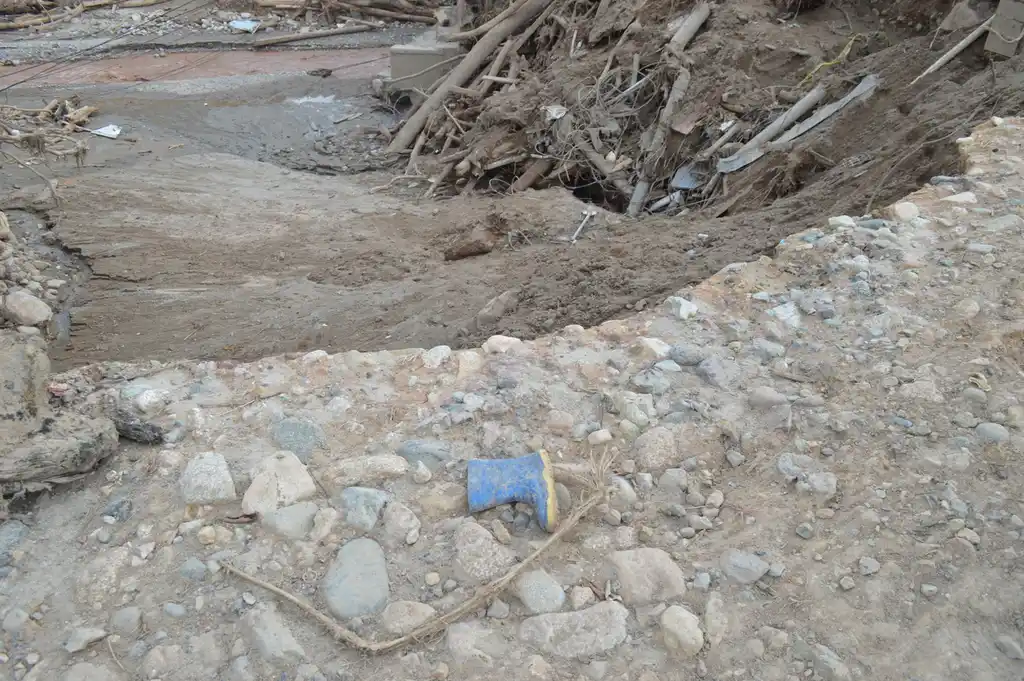
A submersible sump pump or portable extraction unit goes into the low spot first to knock down the bulk water. Then a truck-mounted water extractor pulls the rest out of the soil and any saturated debris. We haul out soaked insulation, cardboard and trash rather than leaving it to rot.
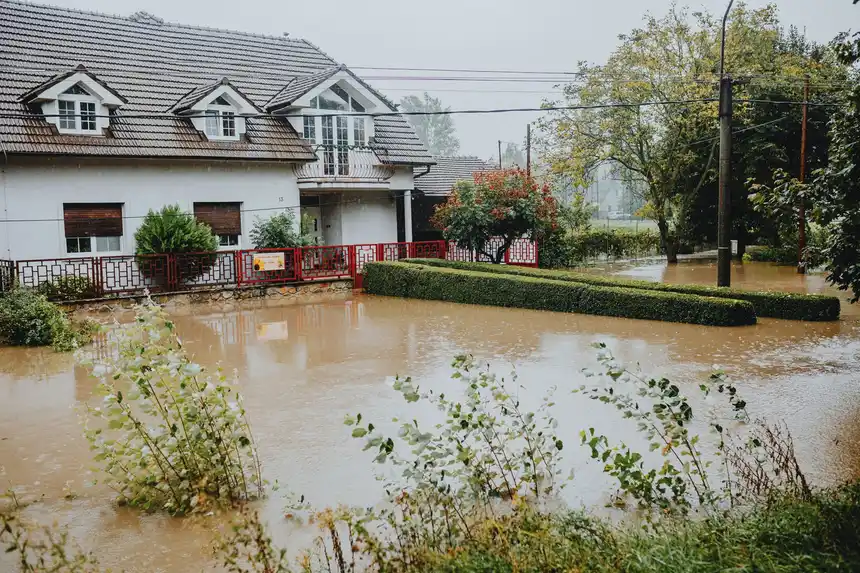
Air movers go in to circulate air across the joists and subfloor, and a dehumidifier pulls moisture out of the air. We treat the soil and framing with antimicrobial solution, then take moisture meter readings every few hours. Most crawl spaces hit dry standard in 24 to 72 hours depending on how long the water sat.
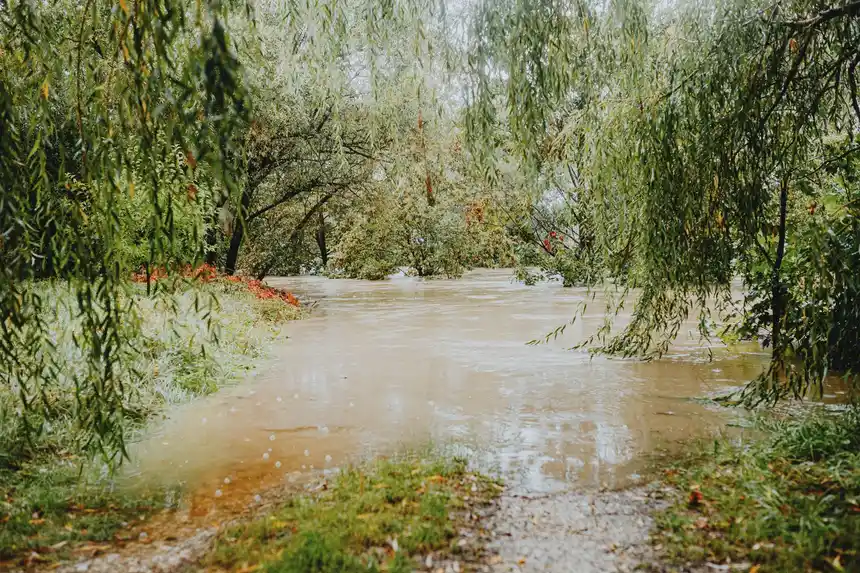
Before we pack up, we show you the final moisture readings, walk you through what caused the flooding, and give you a written list of what to fix - a new vapor barrier, a sump pump upgrade, a French drain, or gutter extensions. No surprises, no upsell you don't need.
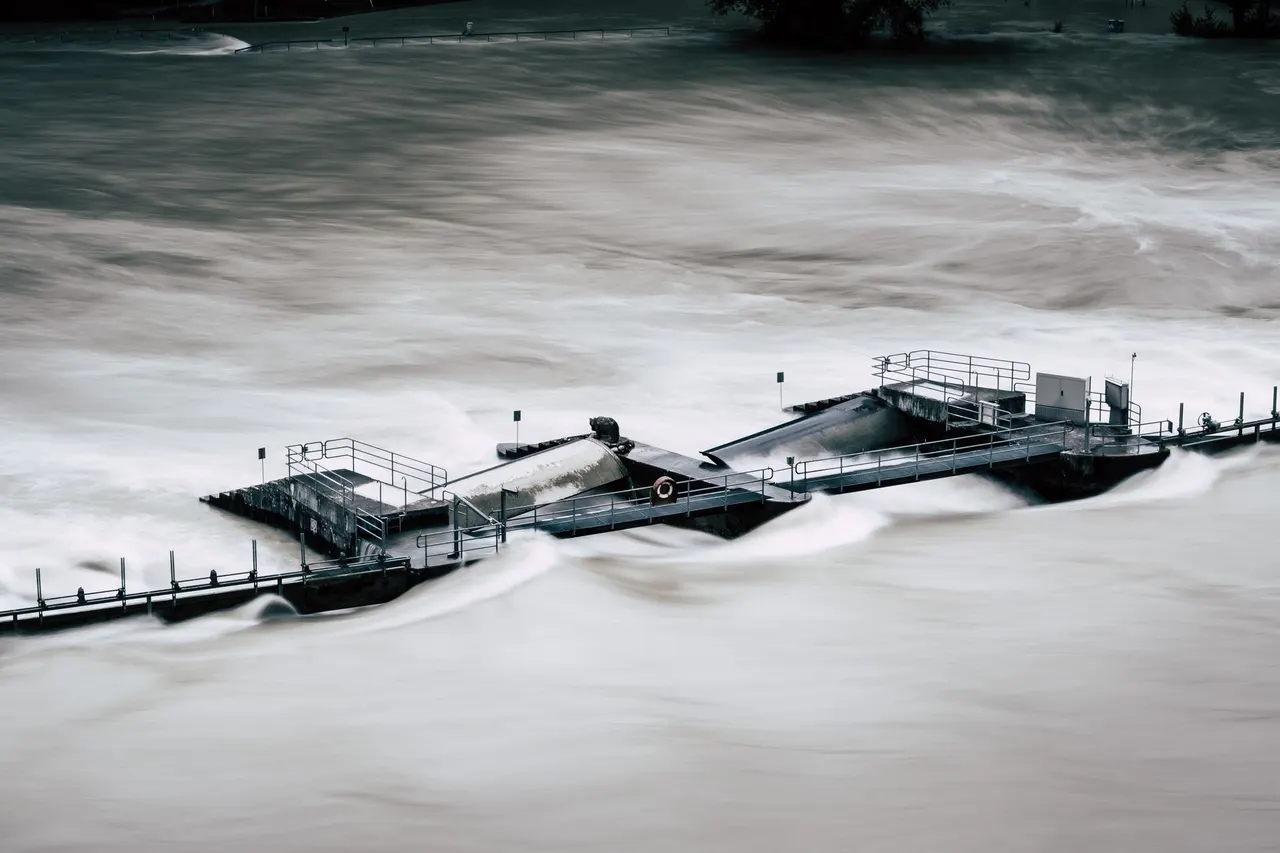
Pulls 30 to 50 gallons of water per minute from soil and debris. It's the fastest way to remove bulk water from a crawl space, and it's on every truck we send out.
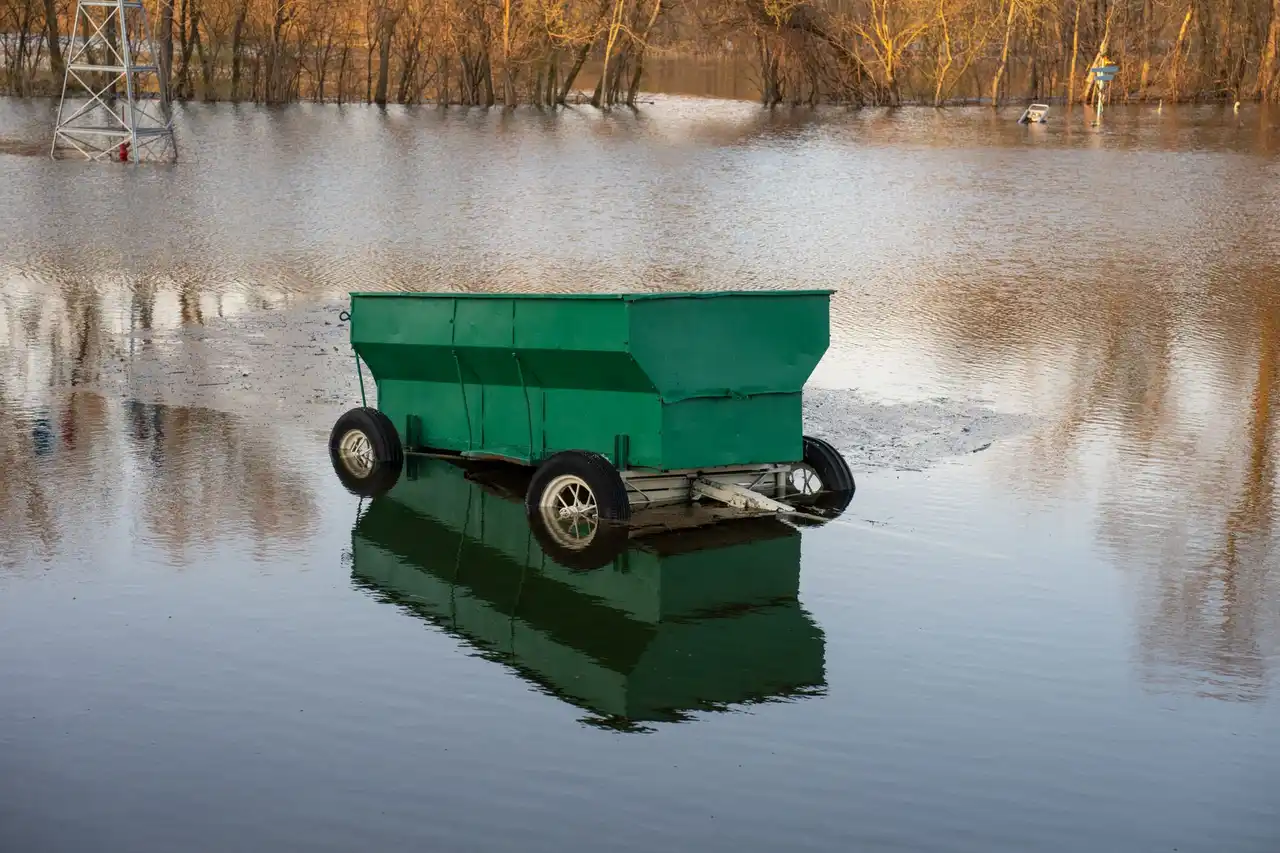
Drops into the lowest point of the crawl space to knock down standing water before we extract. We carry Little Giant, Zoeller and Wayne pumps so we can swap one in if yours has failed.
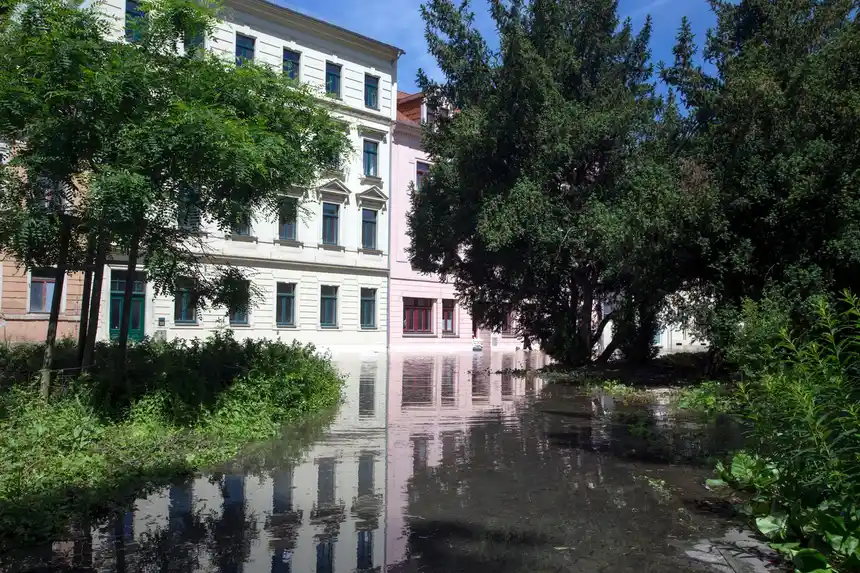
Pull moisture out of the air so wet framing can dry. We size the unit to the cubic footage of the crawl space, and we monitor with a hygrometer to confirm it's working.

Find hidden moisture behind insulation and inside framing without tearing anything out. We use them before and after drying so you get documented readings.

Lets us see into tight corners, behind foundation walls and under vapor barriers where a flashlight won't reach. It's how we find the entry point on the first visit.

Circulate air across joists, subfloor and foundation walls to speed evaporation. We position them to create a circular airflow pattern that dries the whole space, not just the floor.
Neutralizes musty odors that linger after the crawl space is dry. We use it when the smell has soaked into framing or insulation and antimicrobial treatment alone isn't enough.
We follow the IICRC S500 standard for water damage restoration, which means we document moisture content in the framing before and after drying, and we don't declare the job done until readings hit dry standard. This is the same standard insurance adjusters use, so our documentation holds up.
We bring a submersible pump and truck-mounted extractor, pump the water out in two to three hours, then set drying equipment. We diagnose the pump, replace it if needed, and check the check valve and discharge line so the next storm doesn't flood you again. Dry crawl space within 48 hours, a working sump pump, and no repeat flooding the next time it rains hard.
We inspect with a moisture meter and thermal imaging camera to find the source - usually a foundation crack or failed vapor barrier. We treat the framing with antimicrobial solution, run a dehumidifier to pull the moisture down, and seal the entry point. Moisture readings back to normal, odor gone, and a sealed foundation that keeps the space dry.
We treat this as a sewage backup cleanup, not a simple pump-out. Technicians suit up in PPE, pump and extract the contaminated water, remove any soaked insulation or debris, then sanitize everything with EPA-registered disinfectant before drying. Contaminated water and materials removed, surfaces sanitized, and the space dried and safe to re-enter.
We do a full inspection, document the findings with photos and moisture readings, extract any water, and dry the space. You get a written report you can hand to the buyer's agent showing the issue was addressed. A documented dry crawl space, a report for the file, and one less obstacle to closing.
Newport sits right on the Ohio River, and that geography drives most of the crawl space water calls we get. When the river runs high in spring, the water table rises and pushes water up through the soil into crawl spaces in The Point and along Lower Thames. Summer storms dump two inches in an hour and overwhelm sump pumps that were already on their last leg. Winter brings frozen discharge lines that crack and then flood the crawl space when they thaw. The housing stock matters too - a lot of Newport homes were built before vapor barriers were standard, so the soil under the house is bare and every bit of ground moisture ends up in the framing. We see brick foundations with original mortar joints that weep water, and low-clearance crawl spaces where the only way in is on your belly. Our equipment is sized for that: portable extraction units and compact air movers that fit through a 16-inch access hatch. If you've been putting off a call because you're not sure it's worth it, remember that professional crawl space water extraction in Newport, Kentucky costs a fraction of what structural repair runs. We handle jobs in the 41071 and 41072 ZIP codes daily, and we know which streets flood first when the river rises.
A rental house in Fifth Ward had eight inches of standing water in the crawl space after the original sump pump died during a storm. The joists were saturated, insulation was soaked, and the tenant was complaining about a musty smell in the bedroom above.
We pumped and extracted 120 gallons in under three hours, removed the saturated insulation, treated the framing with antimicrobial solution, and ran air movers and a dehumidifier for 48 hours. Final moisture readings on the joists were back to normal range, and we installed a new Zoeller pump with a check valve.
The landlord now has the pump checked every fall before storm season. A $150 annual service call is cheap insurance against another $1,400 cleanup.
A 1920s home in Historic Hill had damp soil and wet joists in the crawl space but no standing water. The owner noticed a musty smell and cold floors in winter. A thermal imaging camera found moisture along the front foundation wall where a crack was letting in water after every rain.
We sealed the crack with hydraulic cement and epoxy crack filler, treated the joists with antimicrobial solution, and ran a dehumidifier for 36 hours to bring the framing back to dry standard. The musty smell cleared within two days, and the owner reported warmer floors the following winter.
We recommended extending the gutter downspouts four feet from the foundation so roof water stops soaking the soil at the crack. The owner did it the same week.
A home near The Point took on contaminated water in the crawl space after a sewage backup during a heavy spring storm. The water smelled, and the homeowner was worried about bacteria and mold. Saturated insulation and cardboard storage had been sitting in the water for two days.
Our crew suited up in PPE, pumped and extracted the contaminated water, removed all soaked insulation and debris, and sanitized every surface with EPA-registered disinfectant. We dried the space for 72 hours and verified with moisture readings. Air testing afterward came back clear.
We installed a new check valve on the sewage line and recommended the homeowner keep storage off the crawl space floor. Nothing has backed up since.
Water under a house causes damage you can't see until it's expensive. These are the problems we fix most often for Newport homeowners, and what happens if they're left alone.
We find the moisture source, extract any standing water, treat the framing with antimicrobial solution, and dry the space to standard. In most Newport homes, the odor is gone within 48 hours of drying, and we can use an ozone generator for stubborn cases. That smell is mold and mildew growing on crawl space framing and insulation. Left alone, it spreads, aggravates allergies, and eventually requires full remediation instead of a simple treatment.
We dry the joists and subfloor with air movers and dehumidifiers, monitoring moisture content until the wood returns to normal range. If any joist has rot, we tell you and can refer a structural contractor. Catching it early usually means drying is enough. When joists and subfloor stay wet, the wood softens and loses strength. A bouncy floor is the early warning; a sagging one means structural repair, which costs far more than water removal.
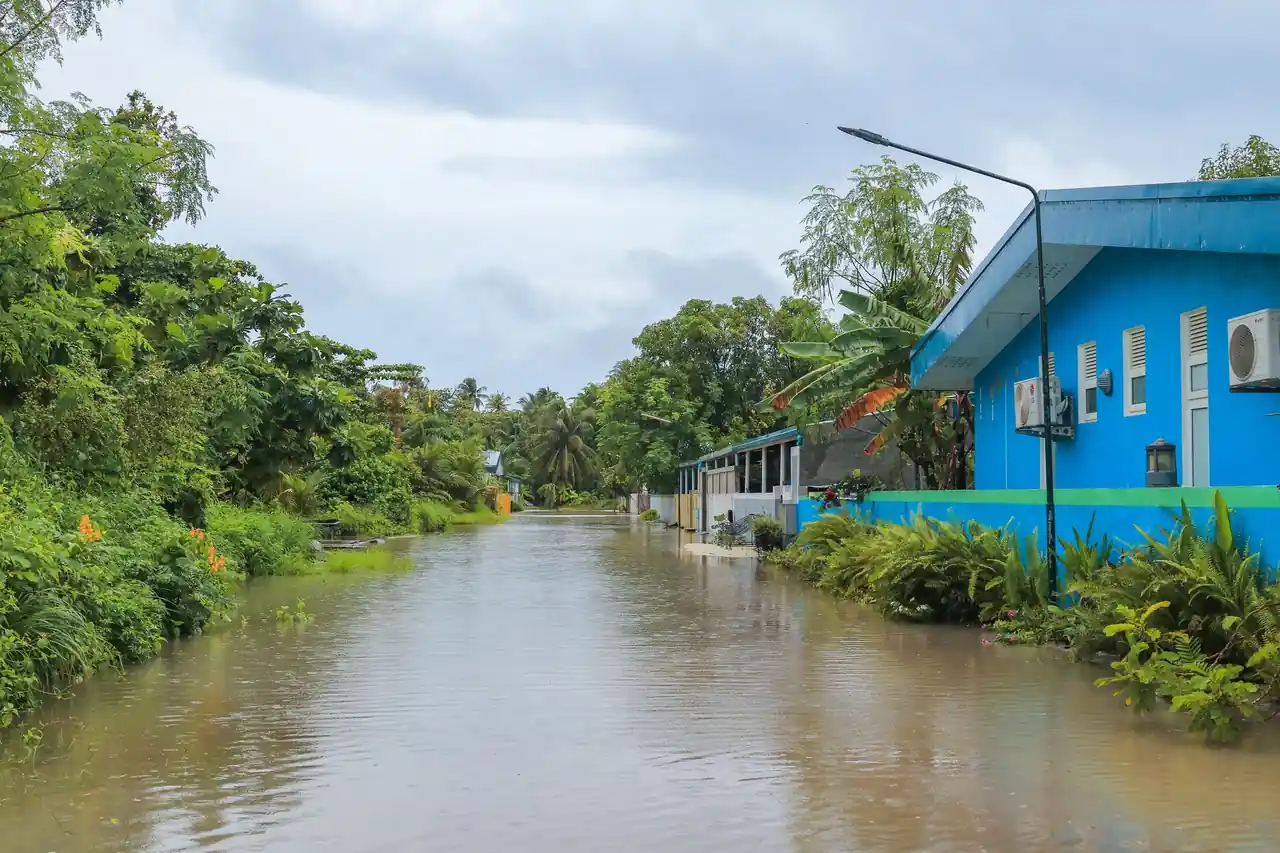
Our IICRC AMRT-certified technicians remove mold-affected insulation, treat surfaces with antimicrobial solution, and set up containment so spores don't spread. We verify with moisture readings and can test the air afterward if you want confirmation. Crawl space moisture above 60 percent relative humidity grows mold within 48 to 72 hours. Once it's on the joists, it spreads to the subfloor and into the living space through air leaks.
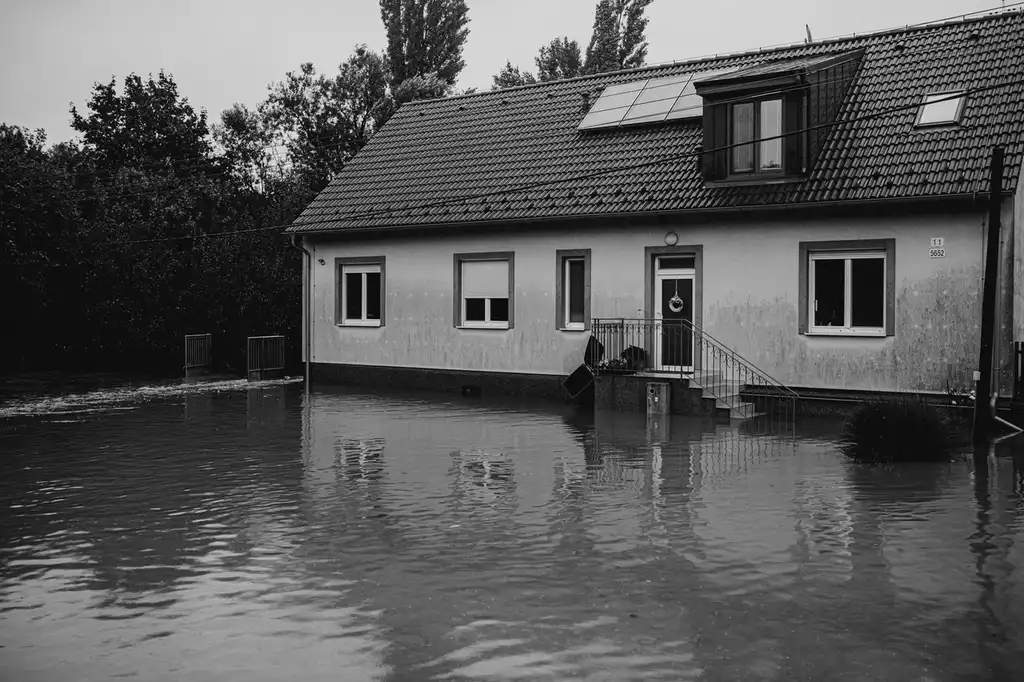
We identify the entry point - foundation crack, failed sump pump check valve, clogged gutter downspout or window well overflow - and fix what we can on the spot. For recurring hydrostatic pressure, we recommend a French drain or crawl space encapsulation to keep water out for good. If the source isn't fixed, you're paying for water removal over and over. Each flood saturates more of the framing and increases the chance of permanent damage.
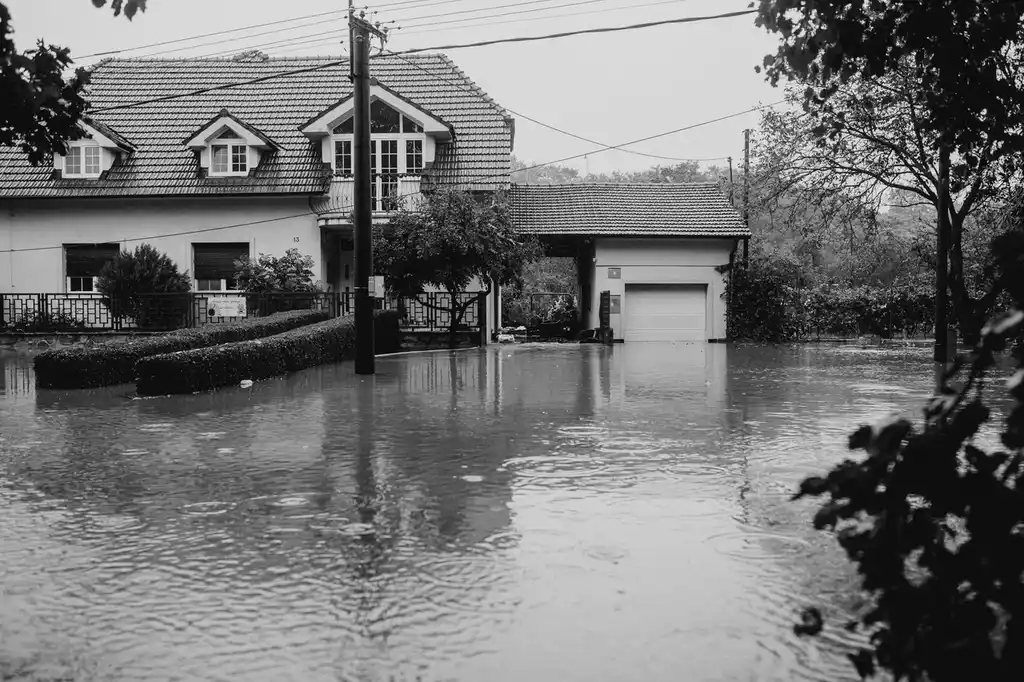
We remove saturated insulation, dry the space, and replace insulation with new material once the framing is dry. If the crawl space has no vapor barrier, we can install one to keep ground moisture from wicking back up into the insulation. Wet insulation doesn't insulate. It conducts heat away from the living space, so your furnace works harder and your floors feel cold in winter. It's a cost you pay every month until the crawl space is dry.
We run same day crawl space water removal Newport KY calls whenever the schedule allows, because standing water under a house gets worse by the hour. A truck-mounted water extractor pulls 30 to 50 gallons a minute, so most residential crawl spaces are pumped dry in two to four hours.
Pumping water out is half the job. We set air movers and a Dri-Eaz or Phoenix Restoration Equipment dehumidifier, then check framing with a moisture meter and hygrometer until readings match a dry baseline. That's the difference between a crawl space that stays dry and one that grows mold in three weeks.
Water comes back if you don't fix what let it in. We trace the entry point with a thermal imaging camera, then repair what we can on the spot - hydraulic cement or epoxy crack filler in a foundation crack, a new check valve on the sump pump discharge pipe, or a downspout extension that moves roof water away from the footing.
Crawl space moisture above 60 percent relative humidity feeds mold growth on joists and insulation within days. We apply antimicrobial solution to affected framing, remove saturated fiberglass insulation when it can't be dried, and can bring in an ozone generator for stubborn musty odors that linger after the space is dry.
Clear records you can keep and share.
Before and after, in writing
For insurance or your records
What caused it and what to fix
Pumping water out is only half the job. If the framing stays wet, mold grows within days and you'll be dealing with the same problem again next season.
Standing water comes out fast with the right pump. But joists and subfloor hold moisture long after the floor looks dry. We check with a moisture meter and don't stop until the wood reads normal.
Water comes back if you don't fix what let it in. We check the sump pump, check valve, foundation cracks, gutters and window wells on every job so the fix holds.
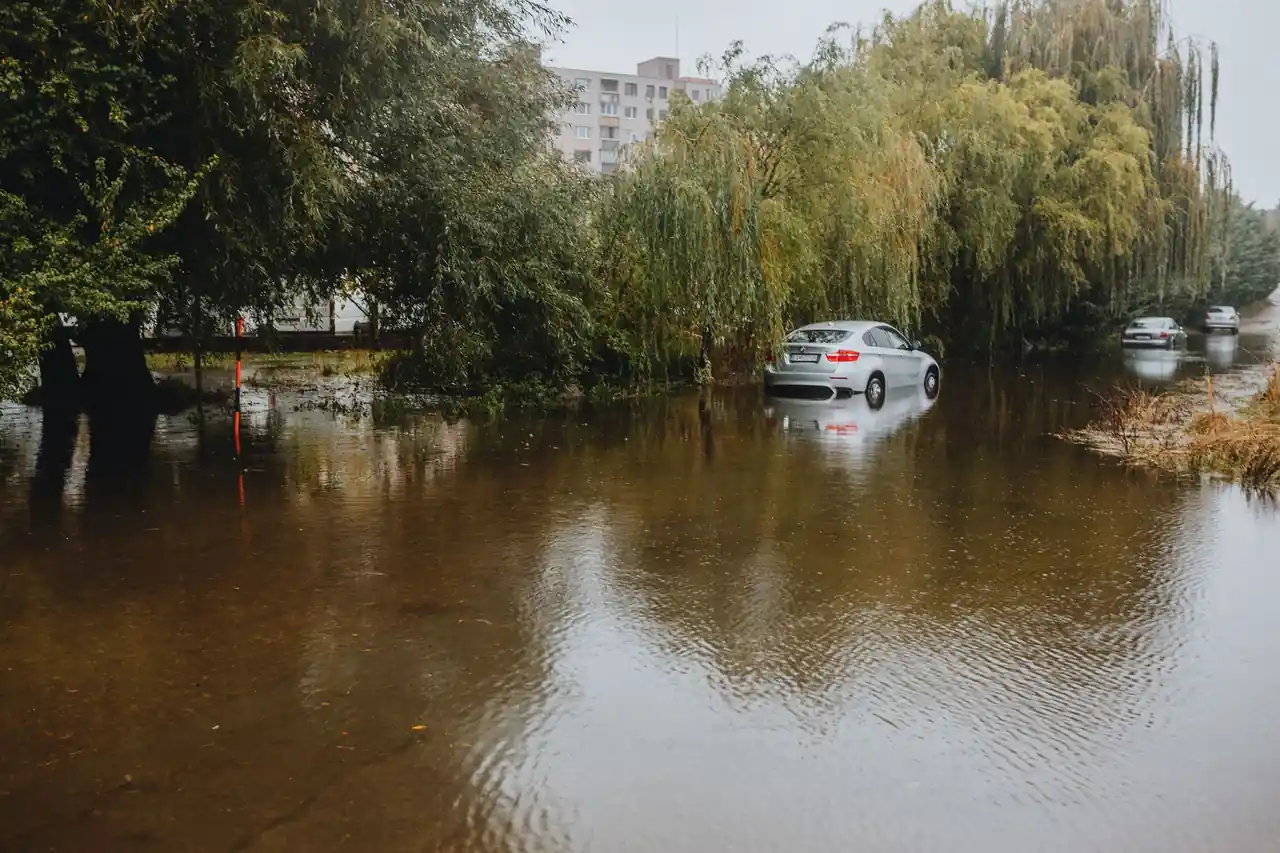
Outside these areas? Call and ask - we may still be able to help. +18598328132
Most residential crawl space water removal jobs in Newport run $450 to $1,800 in 2026, depending on water volume, how much insulation and debris has to be removed, and whether mold treatment is needed. A simple pump-out with no mold runs $450 to $750. Jobs that include insulation removal, antimicrobial treatment and three days of drying land in the $1,200 to $1,800 range. We give you a firm number before we start.
Newport Basement Flood Pros handles crawl space water extraction in Newport, Kentucky and the surrounding Campbell County area, including Bellevue, Fort Thomas and Dayton. We carry truck-mounted extractors, submersible pumps and drying equipment on every truck, so we're not waiting on a rental. Call +18598328132 and we'll tell you honestly whether we can get there today or whether you need to schedule.
Pumping and extracting the standing water usually takes two to four hours on a typical Newport crawl space. Drying takes longer - 24 to 72 hours with air movers and a dehumidifier running, depending on how long the water sat and how humid the weather is. We come back to check moisture readings, and we don't pull equipment until the framing is at dry standard.
The four causes we see most in Newport are a failed sump pump or stuck check valve, foundation cracks letting in hydrostatic pressure after heavy rain, clogged gutter downspouts dumping roof water at the footing, and window well overflow during spring storms. Older homes near the river also get water pushed up through the soil when the water table rises. We identify the source during inspection so it doesn't happen twice.
Standing water under your house gets worse every hour. Call Newport Basement Flood Pros at +18598328132 and we'll give you a straight answer on timing and price. We serve all of Newport and Campbell County, and we bring the pumps and drying gear with us.
Reach us at +18598328132 any time, day or night. We answer emergency calls around the clock and schedule standard estimates during business hours. Tell us the water source, how deep it is, and whether it smells like sewage - that tells us what to bring. We serve all of Newport and Campbell County.