Written summary
What we pumped, removed, and dried
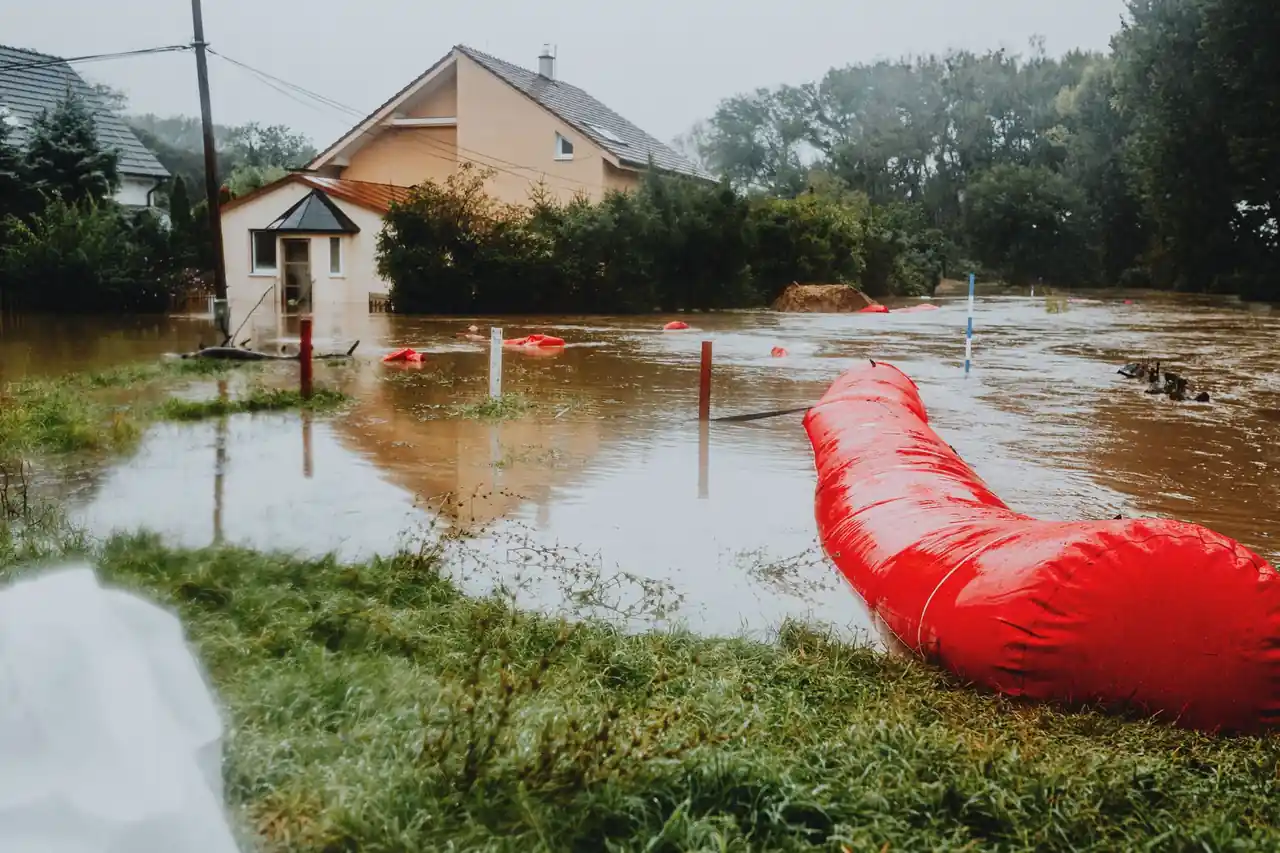
When your basement floods, flood water pumping Newport KY from our crew gets the water out before it ruins your furnace, floors, and foundation. We handle flooded basement pumping in Newport for homeowners and businesses dealing with sump pump failures, sewage backups, and storm water. We show up with truck-mounted extractors, pump out every gallon, and dry the space so mold never gets a foothold. Call us and we will be there.

Every flood water pumping job starts with the same core work. Depending on what we find, we may recommend additional steps like mold testing or waterproofing, but we tell you before we do them.
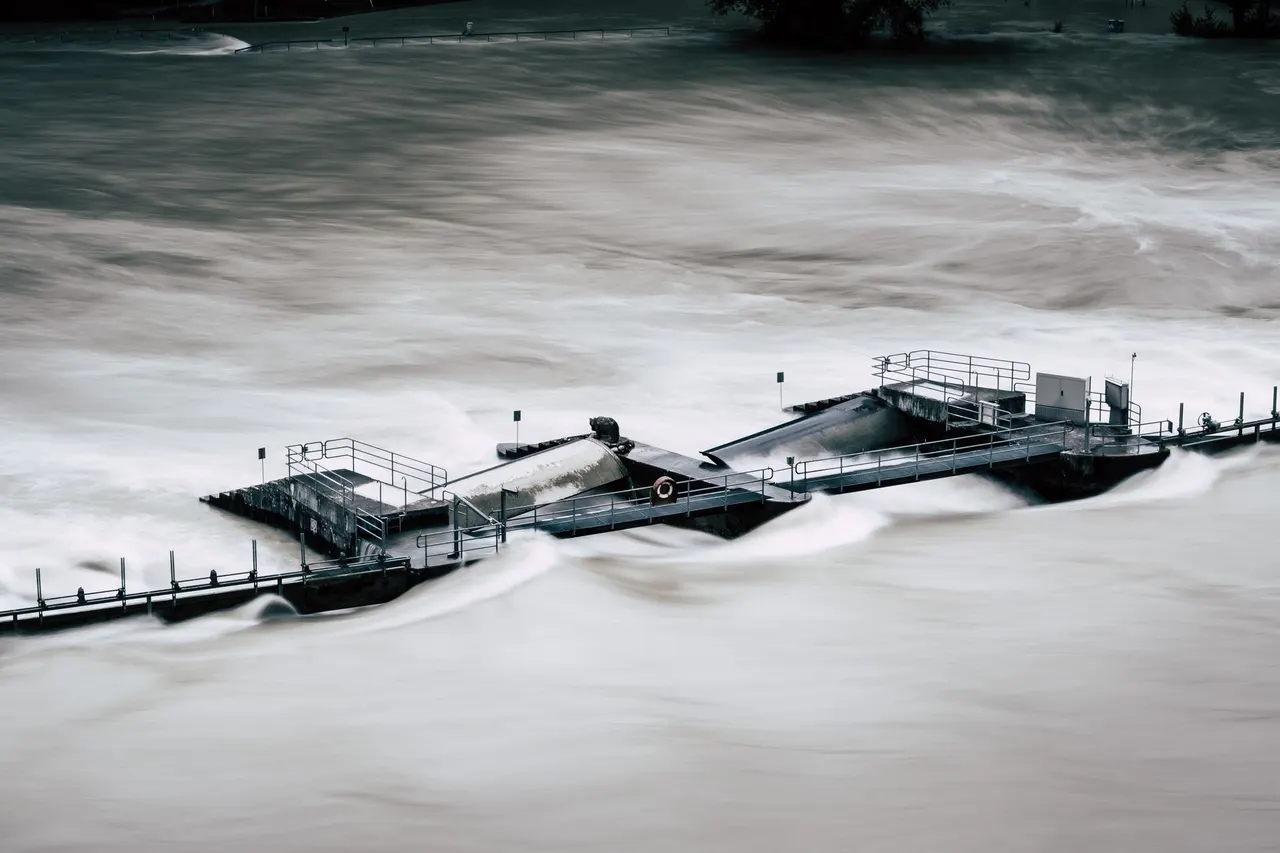
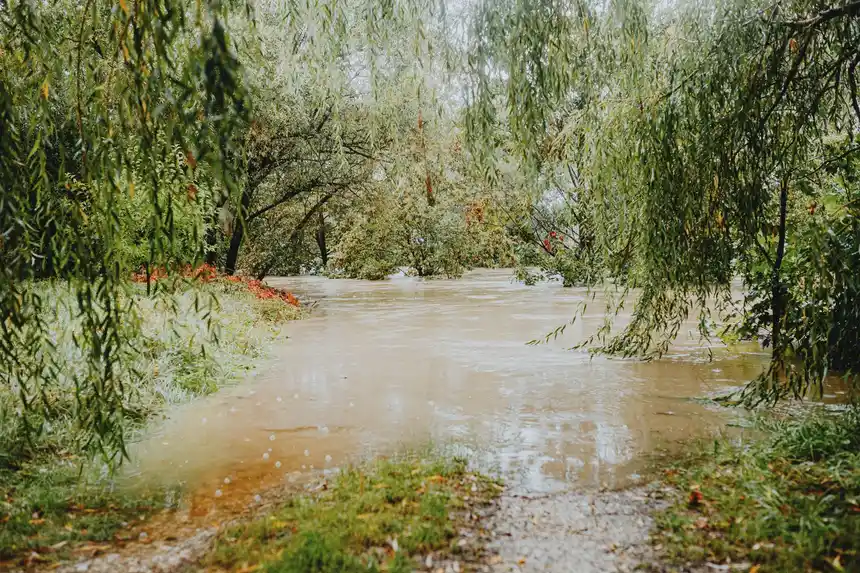
We pump out flooded basements for homeowners and renters across Newport. Our crew extracts the water, dries the space, and checks the source so it does not happen again.
We pump out flooded commercial spaces for owners and property managers in Newport. Our crew works around your schedule and documents everything for your records.
Flood water pumping Newport KY is the process of removing standing water from a flooded basement or crawl space using truck-mounted extractors, submersible sump pumps, and portable extraction units, then drying the structure with air movers and dehumidifiers. We start by finding where the water came from, whether that is a failed sump pump, a sewage backup, or hydrostatic pressure pushing through foundation cracks. Then we pump, extract, and measure moisture until the space is dry.
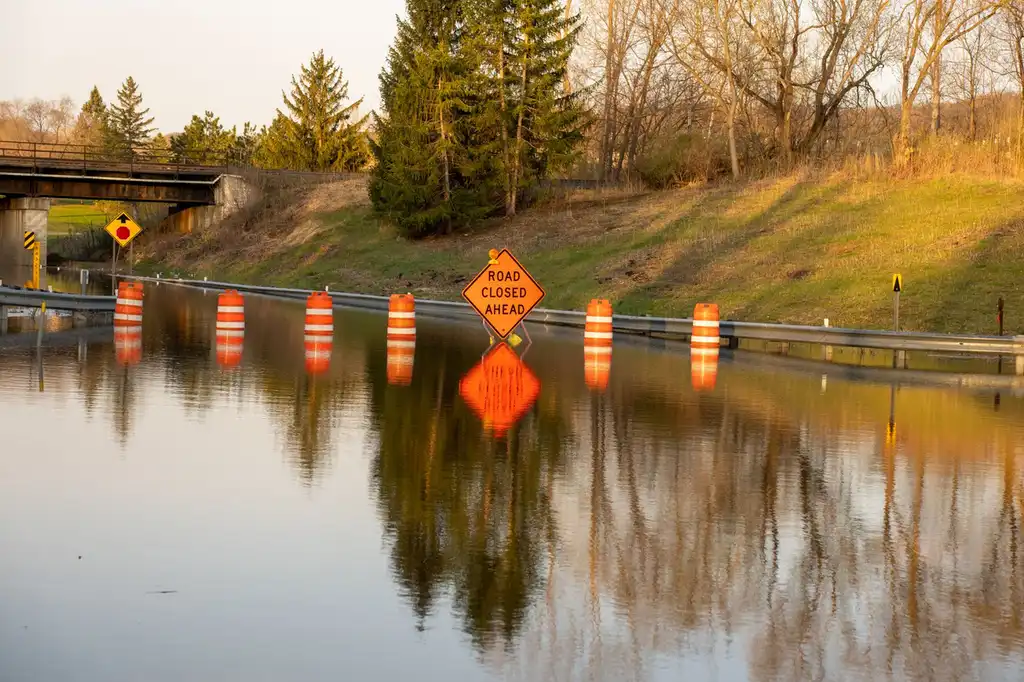
Newport sits along the Ohio River, and basements here flood for reasons that have nothing to do with a river crest. Sump pump failure, clogged gutter downspouts, and window well overflow send water into basements in Downtown Newport and The Point every spring. If you search for flood water pumping near me Newport, you want a crew that knows these blocks. We do. We have pumped out hundreds of basements across Campbell County, and we know which streets drain poorly and which foundations leak first.
Pump the water out, find where it came in, and dry the space before mold starts.
You call, we show up, and we work through five steps until your basement is dry. Here is exactly what happens.
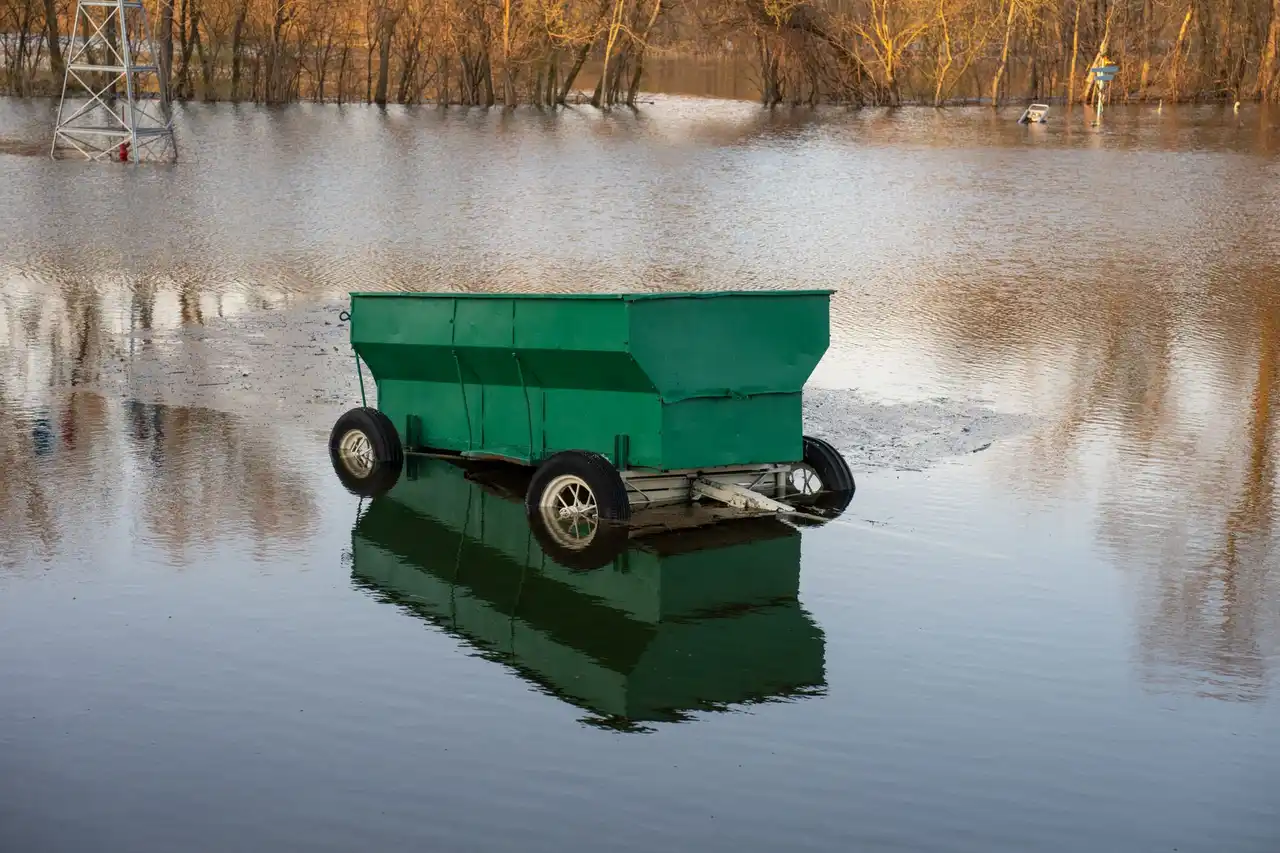
You call us at +18598328132 and describe what you are seeing. We ask about the water level, the source, and whether it smells like sewage. Within minutes we know what equipment to load. We give you a price range on the phone and confirm it when we arrive.
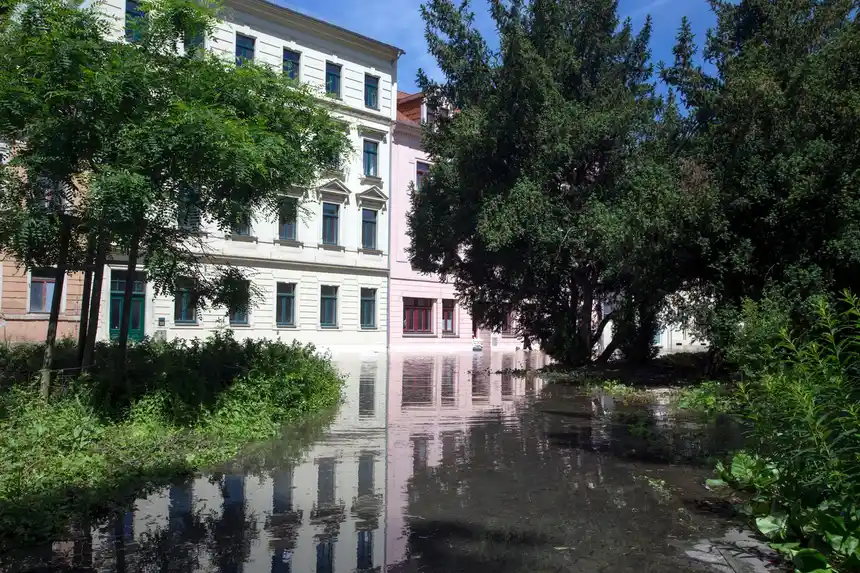
Before we pump a gallon, we find where the water is coming from. We check the sump pump, the discharge pipe, the check valve, and the window wells. If we pump without fixing the source, the basement just refills. This step takes 15 to 30 minutes and saves you a second flood.

We set a submersible sump pump for the bulk water, then follow with a truck-mounted water extractor and portable extraction unit for the shallow water and saturated carpet. A typical Newport basement takes one to three hours to pump down. We watch the waterline the whole time.

Once the standing water is gone, we position air movers and dehumidifiers and let them run. We use a moisture meter, hygrometer, and thermal imaging camera to track the drying. Structural drying usually takes two to four days, and we come back to verify it.

We apply antimicrobial solution to the affected areas, wipe down surfaces, and check for musty odors. If we pulled up baseboard or cut drywall, we note it. You get a written summary of what we did, what we removed, and what to watch for next time it rains.
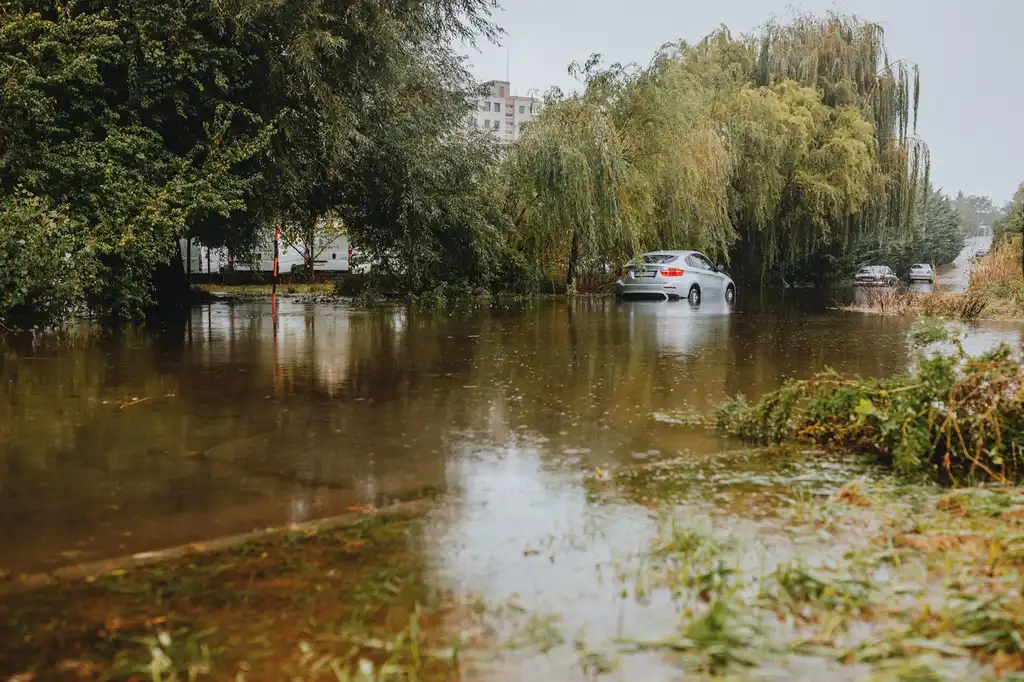
Pulls hundreds of gallons from carpet and concrete in a single pass. This is the workhorse for any basement with soaked flooring.
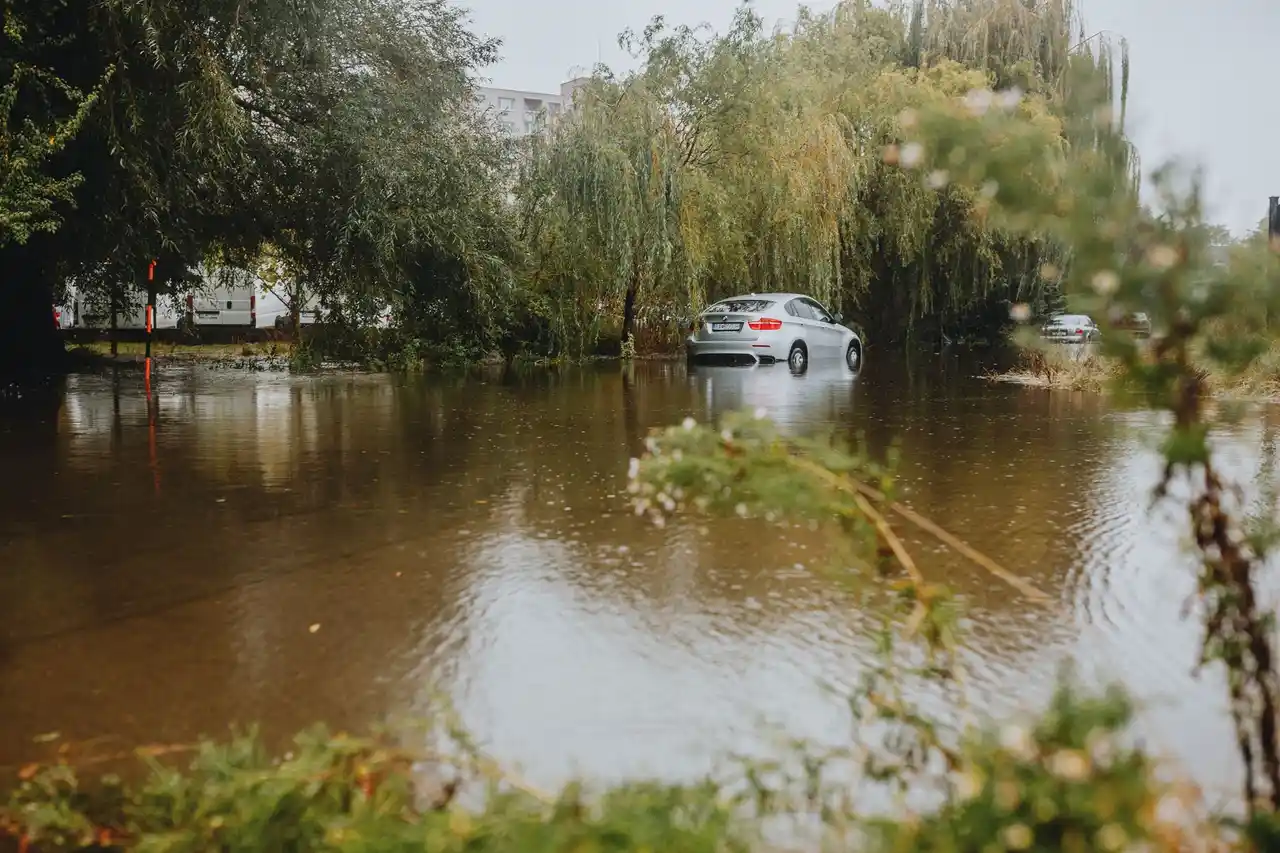
Moves bulk standing water fast, including contaminated water from backups. We size the pump to the water volume and the pit.
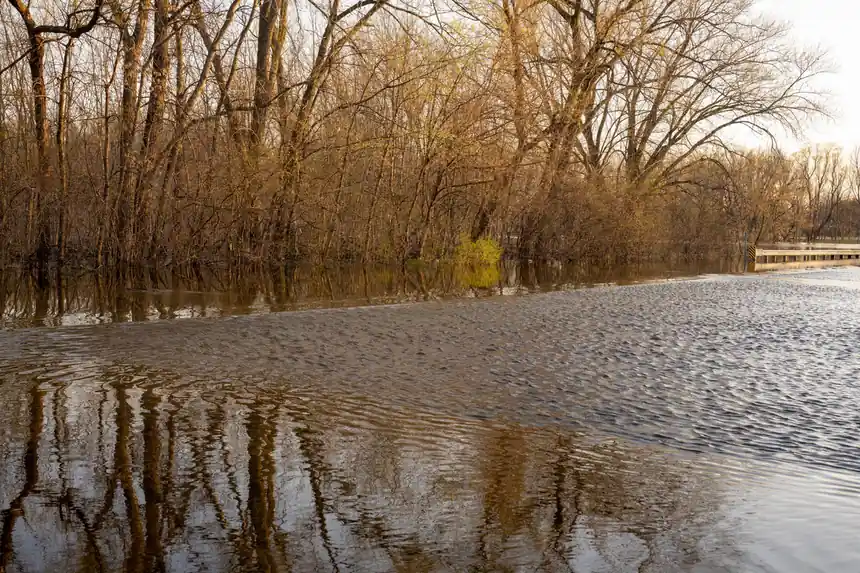
Dri-Eaz and Phoenix Restoration Equipment units that circulate air and pull moisture out of the space. We position them based on the room layout and moisture readings.
Measure moisture in drywall, framing, and concrete, and find hidden water behind walls. We use these to decide when drying is actually done.
Lets us look inside wall cavities and under floors without tearing them open. We use it to check for hidden water and mold.
Handles small pockets of water in corners, closets, and tight spaces where the big extractor cannot reach.
Neutralizes odors from sewage, mold, and stagnant water after the space is dry and clean.
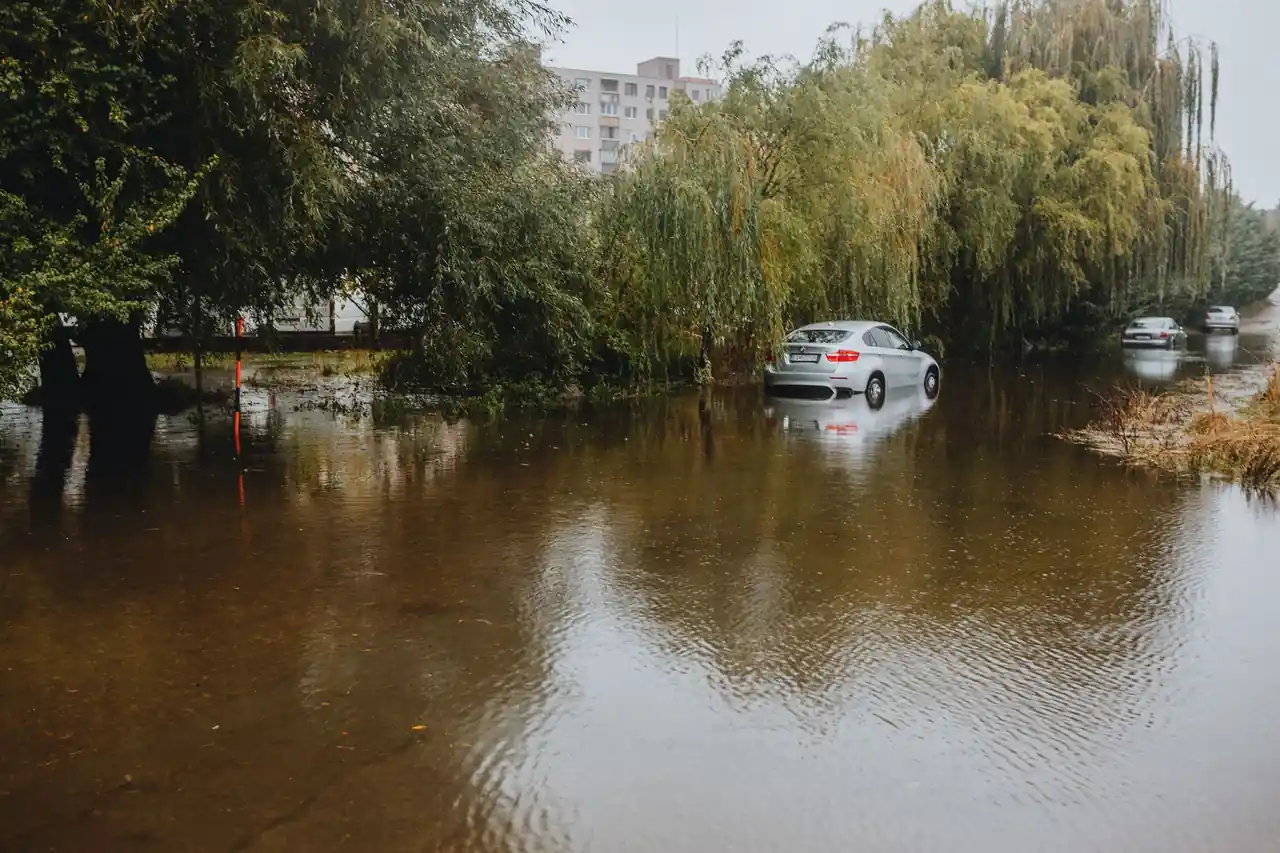
We follow the IICRC S500 standard for water damage restoration, which sets the drying goals, equipment ratios, and moisture targets for each category of water. It is the reason we measure instead of guessing.
We take the call, confirm the water level, and dispatch a crew with a submersible pump and extractor. We pump the bulk water first, then extract and set drying equipment. Water is out by morning, drying starts the same day, and you avoid mold and a ruined furnace.
We pump and extract, remove contaminated drywall and insulation, sanitize with antimicrobial solution, and document everything with photos for the owner and insurer. The unit is safe to re-rent within days, and the owner has a clean record of the work.
We pump the water, dry the wall and carpet, inspect the crack with a boroscope, and repair it with epoxy crack filler. We also check the gutter downspouts that feed the problem. The basement dries without tearing out the whole wall, and the crack stops leaking.
We pump any remaining water, extract the carpet, and test for mold with moisture meters and thermal imaging. If mold is present, we contain and treat it. You know exactly what you are dealing with, and the smell is gone when we finish.
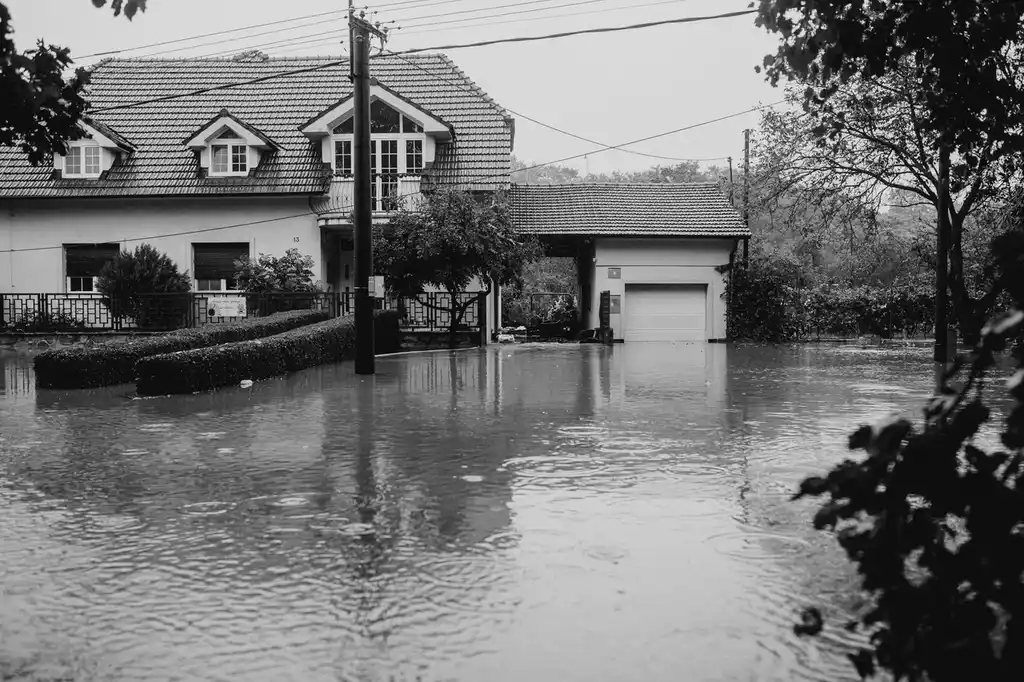
Newport's housing stock is old, and that shapes every job. Stone foundations, undersized sump pits, and original floor drains are common in Downtown Newport and Historic Hill. When the Ohio River runs high and the ground is saturated, hydrostatic pressure pushes water through foundation cracks and mortar joints, and sump pumps that were fine in July cannot keep up in April. We see the same pattern every spring: sump pump failure, window well overflow, and clogged gutter downspouts. Our trucks carry submersible pumps, extractors, and drying equipment so we are not making trips back to a shop. If you need 24/7 flooded basement pumping in Newport, Kentucky, we answer the phone and tell you honestly how fast we can get there. Campbell County permits are handled for any structural repair work, and we follow Kentucky code on discharge and drainage.
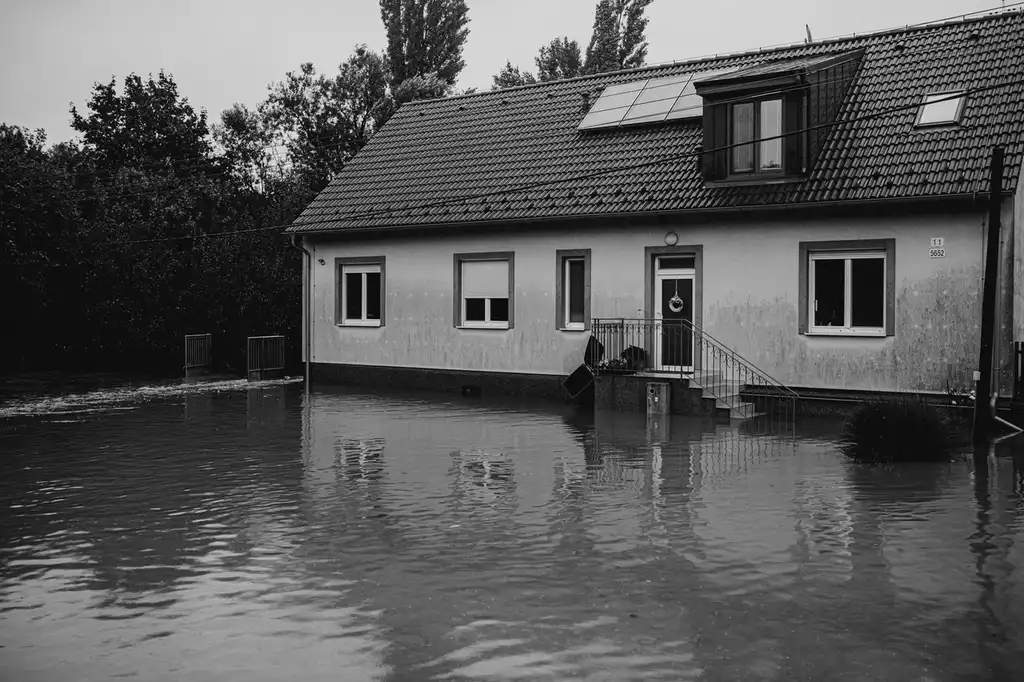
A homeowner woke up to four inches of water covering an unfinished basement floor. The sump pump had failed during a storm, and boxes, a water heater, and a washer sat in the water. The homeowner had been running a shop vacuum for two hours with no progress.
We pumped the bulk water in about 90 minutes, extracted the rest, and set air movers and a dehumidifier. By day three the moisture readings were back to normal. The water heater and washer were saved, and we replaced the failed pump with a properly sized unit.
Test the sump pump every two months by pouring water into the pit. Replace the check valve if it sticks, and keep the discharge line clear of debris and ice.
A rental unit took on two inches of sewage-contaminated water through a floor drain. The tenant had already pulled up a rug, but the water had soaked the baseboard and the bottom 12 inches of drywall. The smell was strong through the whole first floor.
We pumped and extracted the water, removed the wet baseboard and drywall, and treated every surface with antimicrobial solution and disinfectant. An ozone generator handled the odor. The unit was dry and odor-free in four days, and the owner had photos and a written summary for insurance.
Have the sewer lateral inspected every two to three years. Install a backwater valve on the floor drain if backups happen more than once.
A finished basement took on water along one wall after three days of rain. The carpet was wet in a six-foot strip, and the drywall showed a damp line about 18 inches up. The homeowner worried the whole wall would have to come out.
We pumped the standing water, extracted the carpet, and dried the wall cavity with air movers. A boroscope inspection found a single vertical crack. We repaired it with epoxy crack filler and rerouted a clogged downspout that was feeding the wall. The carpet was saved and the wall stayed dry through the next storm.
Clean gutters twice a year and check downspout extensions after every storm. Watch the repaired crack for new movement each spring.
Most Newport basement floods come from a handful of causes. We have seen all of them, and we know how to fix each one.
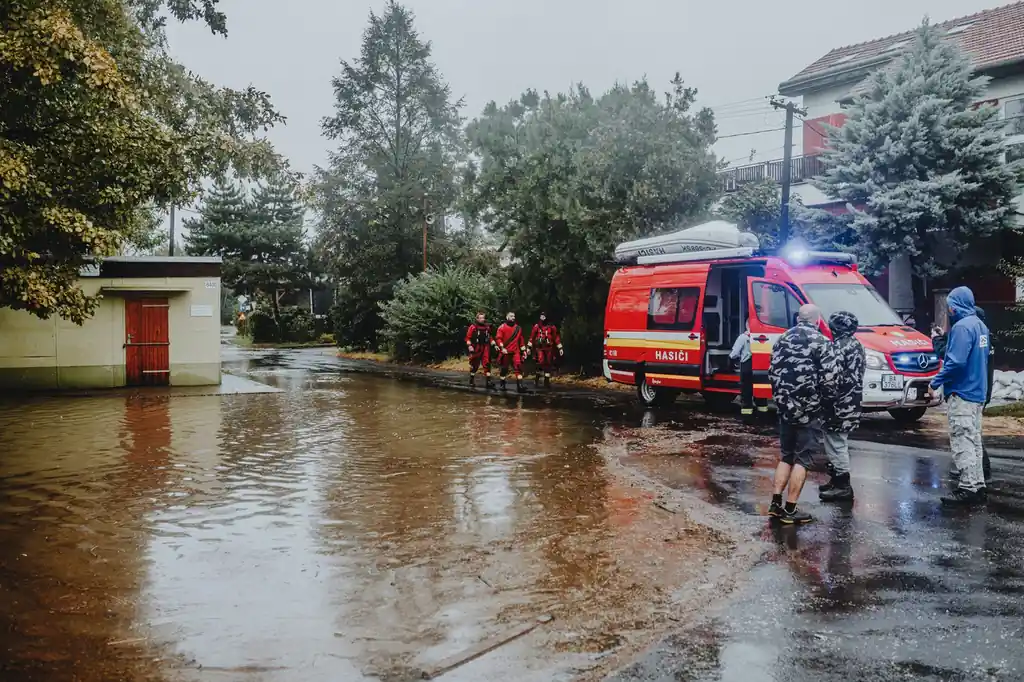
We pump out the water, test the pump and float, and check the check valve and discharge pipe. If the pump is dead, we tell you what size replacement your pit needs and can install a Zoeller, Wayne, or Liberty Pumps unit. Water rises fast, often several inches in an hour, and soaks everything stored on the floor. If it sits overnight, mold starts and the damage doubles.
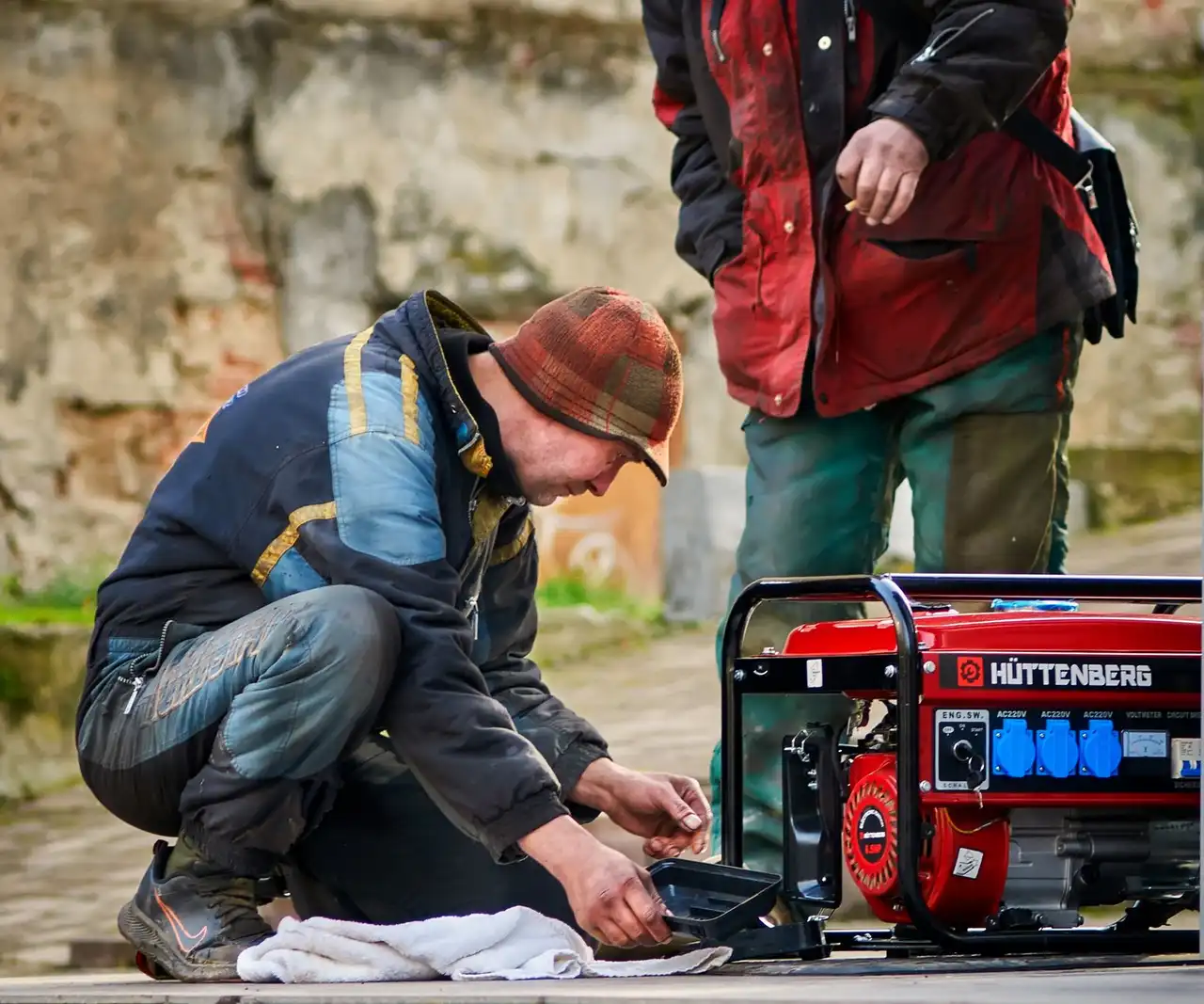
We pump and extract the water, bag and remove unsalvageable material, and treat every surface with antimicrobial solution and disinfectant. We document what we removed for your insurance claim. Contaminated water carries bacteria and leaves a smell that lingers for weeks. Porous materials like drywall and insulation have to be removed, not dried.
We dry the wall, check the crack with a boroscope inspection camera, and repair it with hydraulic cement, epoxy crack filler, or polyurethane sealant. We also explain what waterproofing will stop the next leak. Hydrostatic pressure pushes water through cracks and mortar joints after heavy rain. It looks minor until the wall stays wet and mold grows behind the drywall.
We pump the water out, clear the well, and improve drainage so it handles heavy rain. If the well needs a new drain or gravel bed, we handle that too. A clogged or undersized window well fills with water and dumps it straight into the basement. This is one of the fastest ways to flood a finished space.
Most residential basements with a few inches of water are pumped and extracted in two to four hours. We bring truck-mounted water extractors and portable units so we are not waiting on a single pump to do the job. You get your basement back faster, and the water never has time to wick up drywall.
Mold growth can start within 24 to 48 hours of a flood. We run air movers and dehumidifiers the same day we pump, and we check with a moisture meter and hygrometer before we leave. That combination is what keeps a wet basement from turning into a mold remediation job.
If your backup is sewage, the water is contaminated. We treat those jobs differently, using antimicrobial solution and disinfectant on every surface the water touched. We also remove and bag wet insulation and any porous material that cannot be saved. You do not want to be pumping that out yourself.
Most flood water pump out services Newport homeowners need run $180 to $450 for a standard basement. We give you the price before we start, and we do not add charges for after-hours calls. Affordable does not mean cheap equipment. It means we know how to size the job right.
Clear records you can keep and share.
What we pumped, removed, and dried
Before and after numbers for your records
Why it flooded and what to fix next
Pumping water without finding the source means the basement can refill within hours. We check the entry point first, then pump, extract, and dry in that order.
Getting the standing water out is only half the job. Moisture left in drywall and carpet feeds mold within two days.
Contaminated water needs removal of porous material and full sanitizing. Drying alone will not make a sewage backup safe.
A floor that feels dry can still hold moisture. We use meters and thermal imaging to confirm the space is actually dry.
Outside these areas? Call and ask - we may still be able to help. +18598328132
Most residential flood water pumping jobs in Newport run $180 to $450, and the average is around $300. Price depends on how much water you have, whether it is clean or sewage-contaminated, and how much material we have to remove. A few inches of clean water in an unfinished basement sits at the low end. A finished basement with sewage backup and wet drywall runs higher. We give you the number before we start.
We do. Newport Basement Flood Pros handles flooded basement pumping in Newport and across Campbell County, including Bellevue Avenue, The Point, and Fifth Ward. We carry IICRC-certified technicians and the equipment to pump, extract, and dry in one visit. Call +18598328132 and we will schedule a crew. If you are not sure whether you need pumping or just drying, describe what you see and we will tell you.
Pumping and extracting a typical Newport basement takes two to four hours. That covers the bulk water removal and the shallow extraction. Drying afterward takes longer, usually two to four days with air movers and dehumidifiers running. We come back to verify moisture readings before we call it finished. If your basement has several feet of water or a sewage backup, plan on the longer end of that range.
Yes. We pump out flooded basements in Newport Kentucky for homeowners, landlords, and business owners. We handle clean water from sump pump failures and storm flooding, and we handle contaminated water from sewage backups. For sewage jobs we pump, extract, remove unsalvageable material, and sanitize with antimicrobial solution. We also check the source so the basement does not refill the next time it rains.
Every hour you wait, the water spreads further into your drywall, floors, and belongings. We answer the phone, tell you what to expect, and get a crew moving. Call +18598328132 and we will get your basement dry.
Reach us at +18598328132 any time, day or night. We answer emergency calls around the clock and schedule standard estimates during business hours. Tell us the water source, how deep it is, and whether it smells like sewage - that tells us what to bring. We serve all of Newport and Campbell County.