Written scope
Square footage, moisture readings, flat price
If you have found black mold or a musty smell in your basement, mold remediation Newport KY is the service that removes it and keeps it from returning. We serve homeowners and landlords across Newport, Kentucky, from the river blocks near The Point to the older homes on Broadway. We find the moisture source, treat the growth, and verify the air is clean before we pack up.
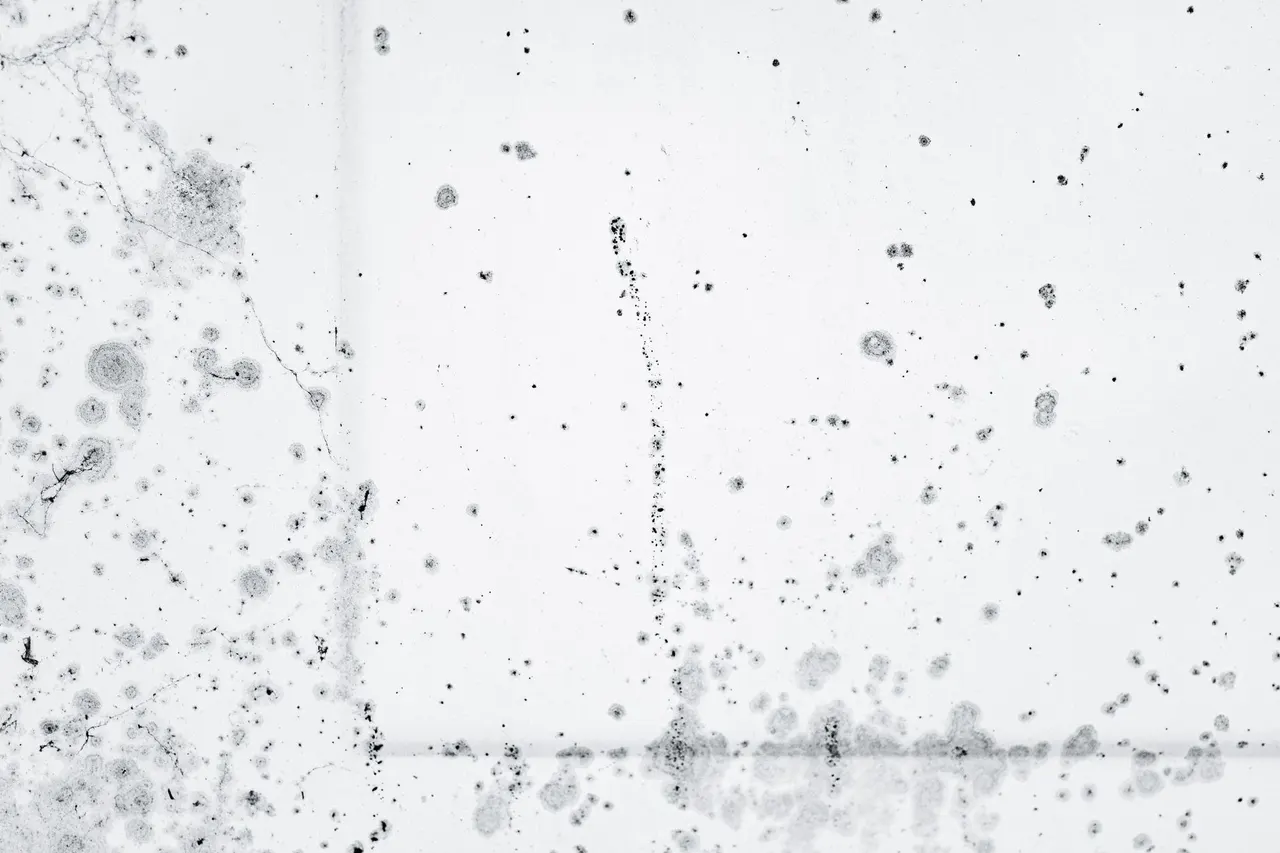
Every mold remediation Newport KY job we run includes the same core scope: inspection, containment, removal of affected materials, antimicrobial treatment, drying, and final moisture verification. What varies is square footage, how much drywall and insulation has to come out, and whether rebuild is needed. We list anything outside the core scope in the written estimate so there are no surprises.
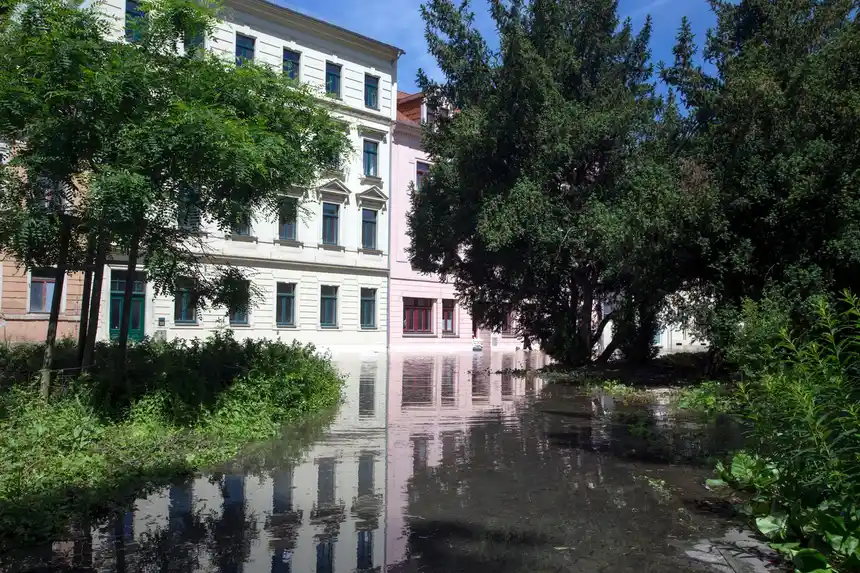
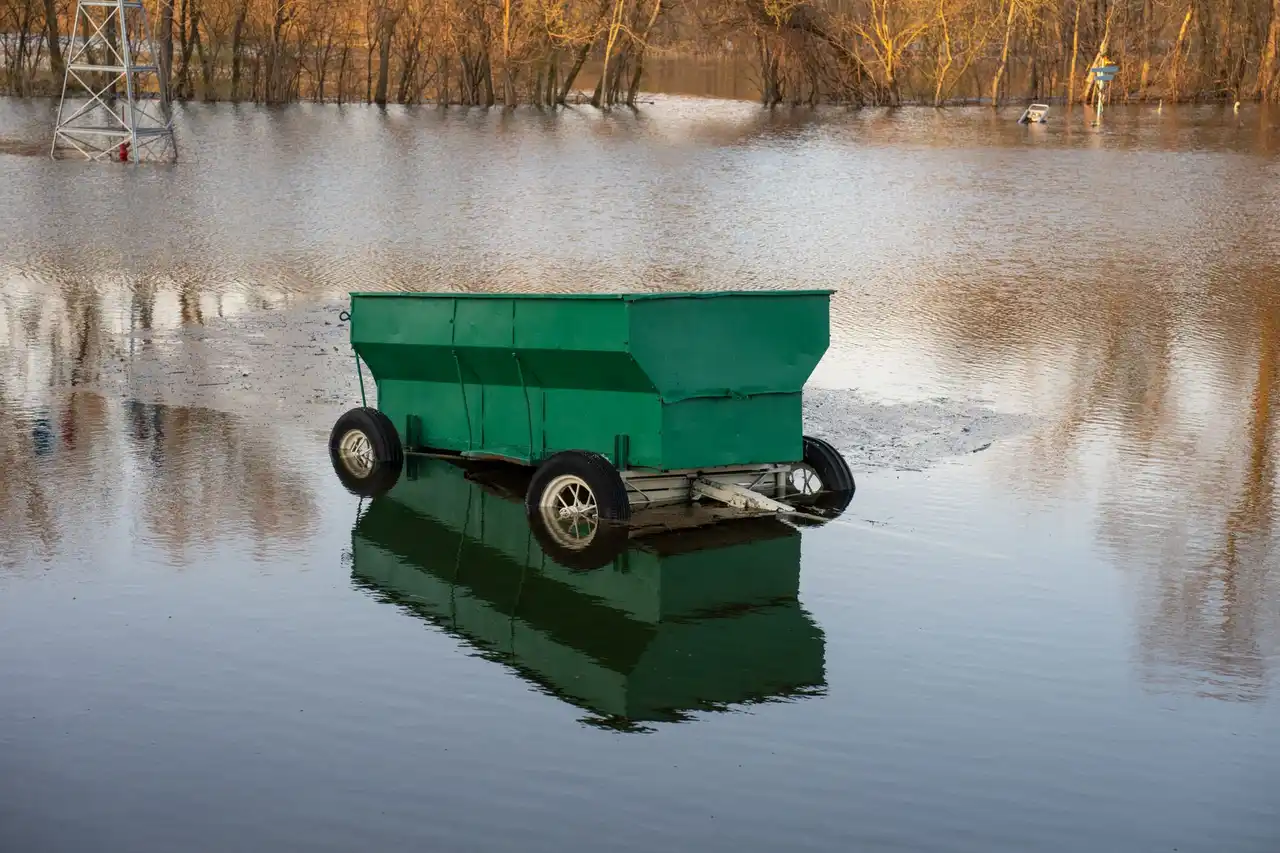
We handle mold in basements, crawl spaces, and finished lower levels for homeowners and tenants. Every job starts with finding the moisture and ends with a dry, verified space.
We work with landlords, property managers, and small business owners who need a unit or space turned around fast. The scope is documented so you have a record for tenants and insurers.
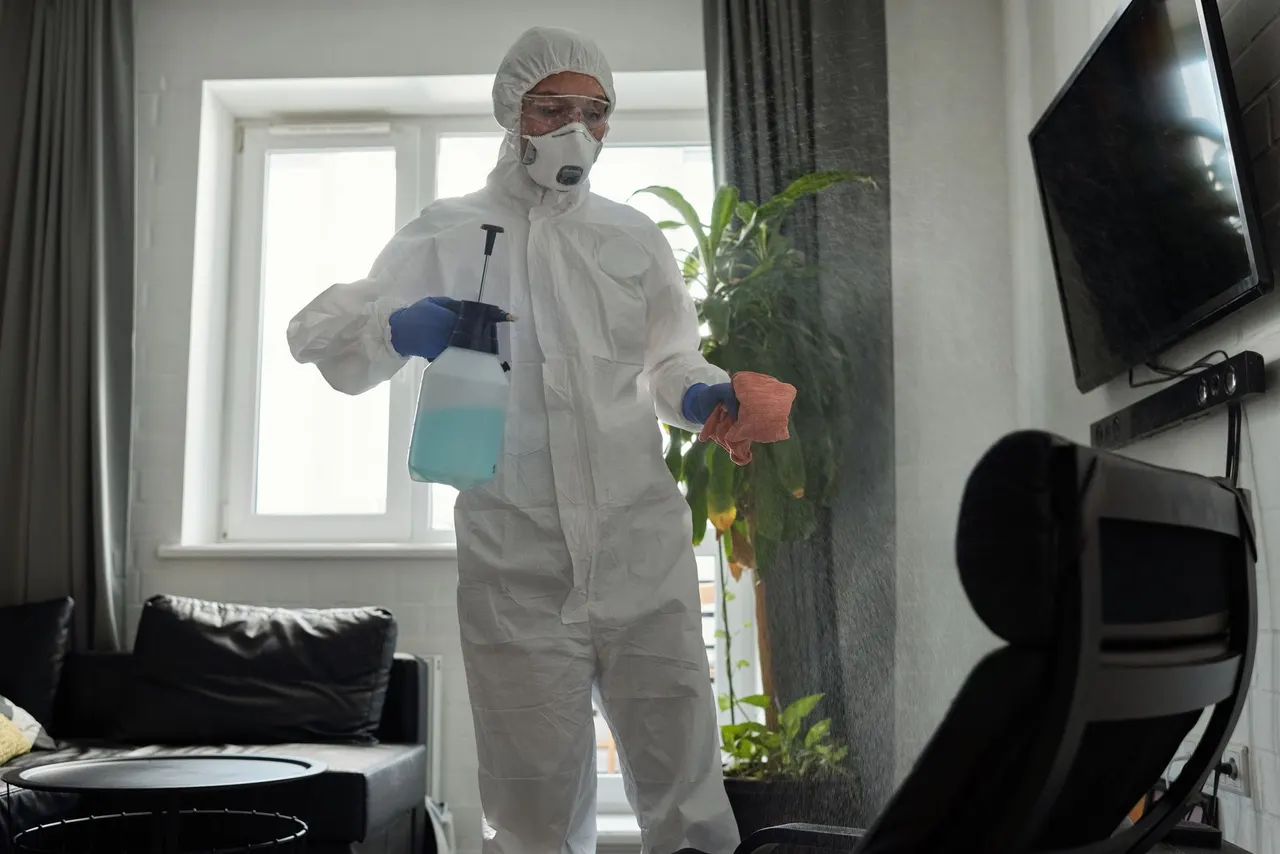
Mold remediation Newport KY is the process of containing, removing, and treating mold growth inside a building, then correcting the moisture problem that caused it. It is not a bleach wipe-down. We set up containment, run a dehumidifier and air mover to dry the space, remove wet drywall and fiberglass insulation, treat framing with an antimicrobial solution, and verify with a moisture meter and hygrometer before any rebuild. Every job follows the IICRC AMRT standard for microbial remediation.
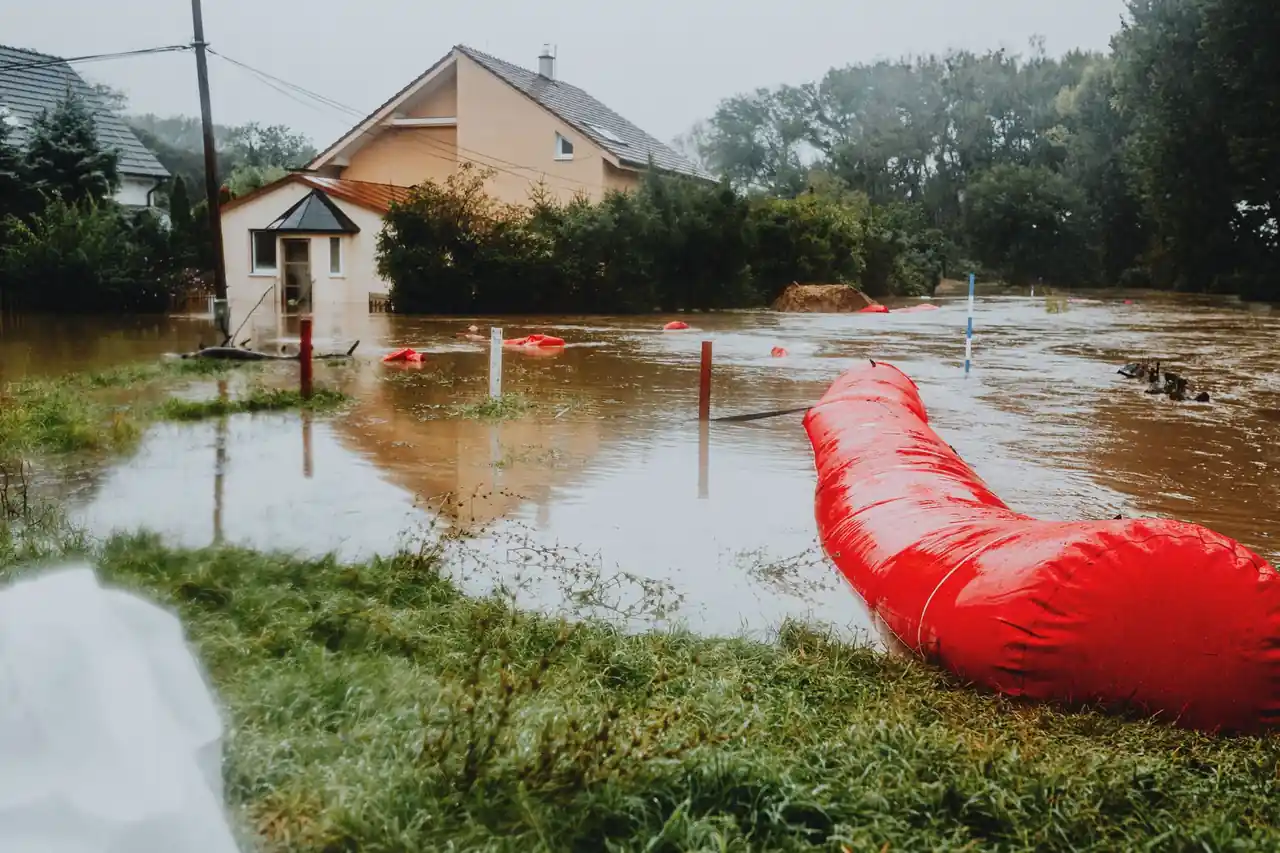
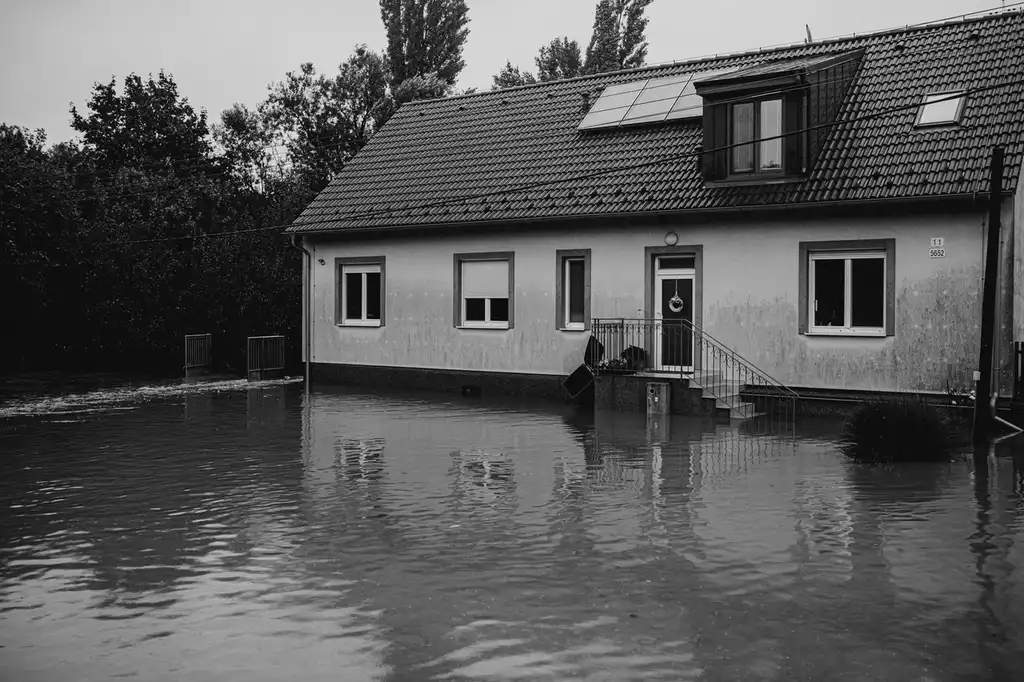
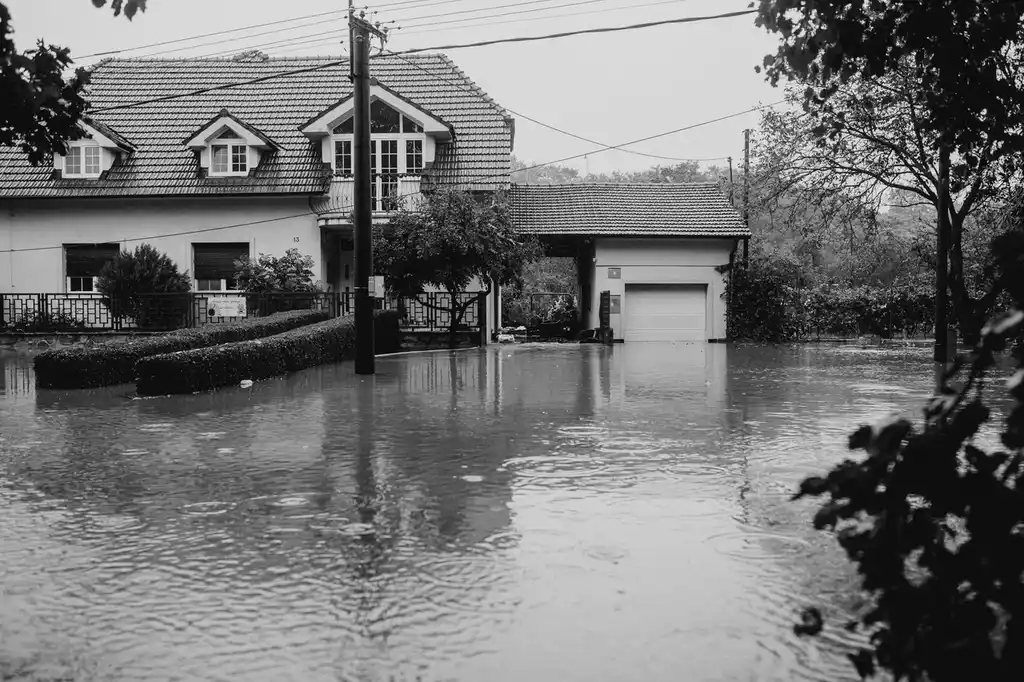
Newport basements flood for predictable reasons: sump pump failure during spring storms, hydrostatic pressure pushing through foundation cracks, sewage backup after heavy rain, and clogged gutter downspouts dumping water against the wall. Once that water sits more than 24 to 48 hours, mold growth starts. If you are searching for mold remediation near me Newport, the fastest fix is a crew that handles both the water and the mold, not two separate contractors.
Find the water source first, then remove the growth, then verify it is dry.
Every job follows the same five steps, whether it is a 200-square-foot crawl space or a full finished basement. Here is what you can expect from the first call to the final walkthrough.

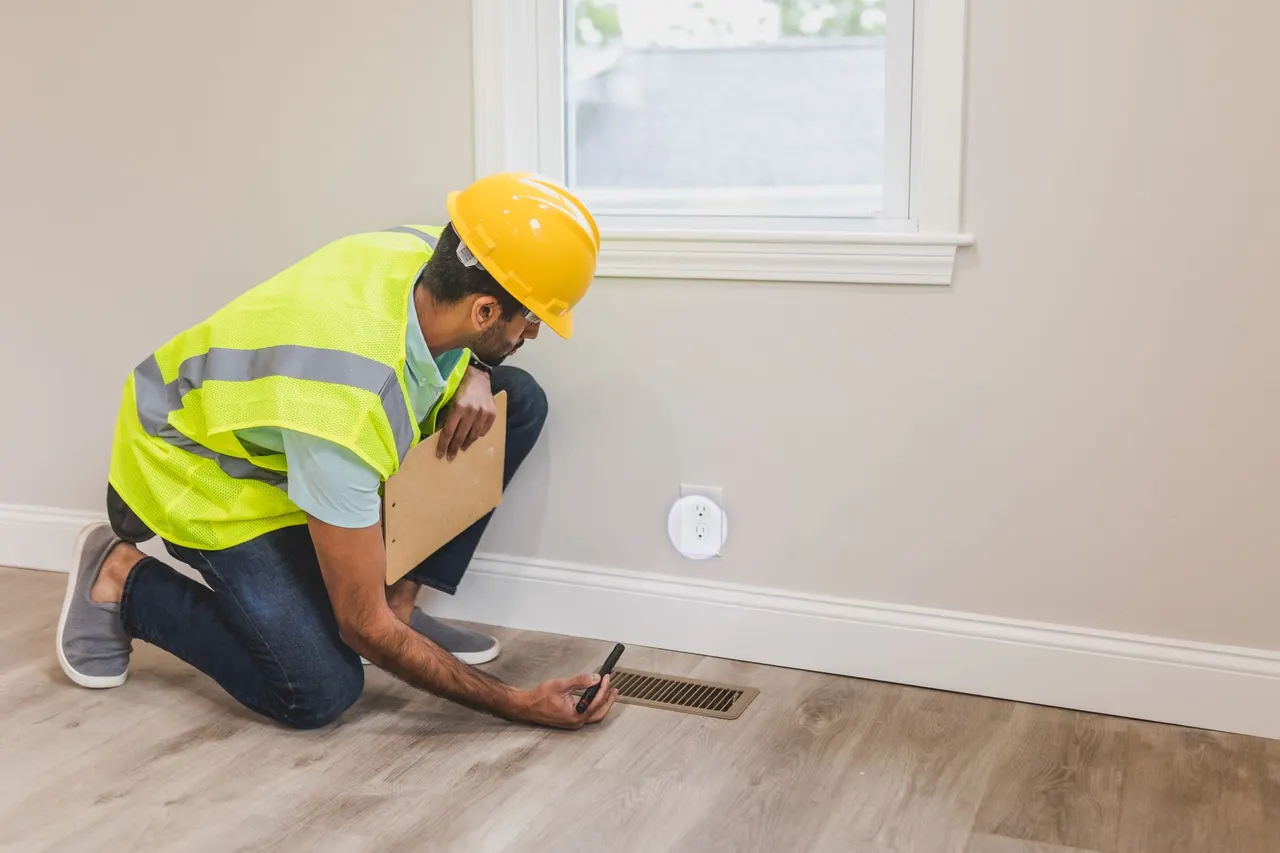
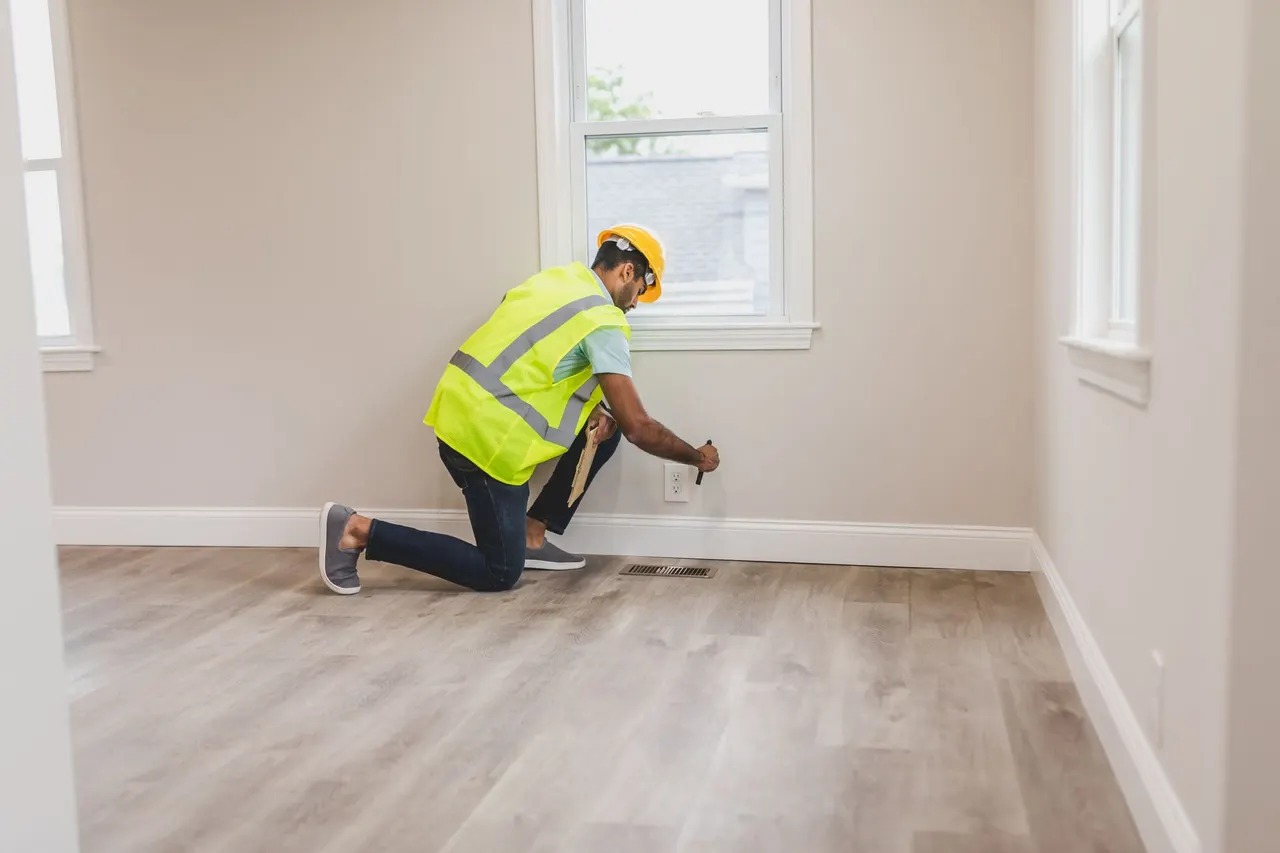
We start with a thermal imaging camera and a boroscope inspection camera to find hidden moisture behind drywall and under flooring. We take air and surface samples where growth is visible. You get a written scope with square footage, moisture readings, and a flat price before any work begins. Most inspections take 45 to 60 minutes.

We seal doorways, vents, and stairwells with 6-mil plastic and set up a HEPA air scrubber to maintain negative pressure. This keeps spores from spreading to the rest of your home while we work. Setup takes about an hour on a typical Newport basement.

Wet drywall, baseboard, and fiberglass insulation come out and go into sealed bags. We use a wet/dry shop vacuum and a truck-mounted water extractor to pull standing water and slurry from the floor. Porous materials with more than 10 square feet of growth are removed, not treated.
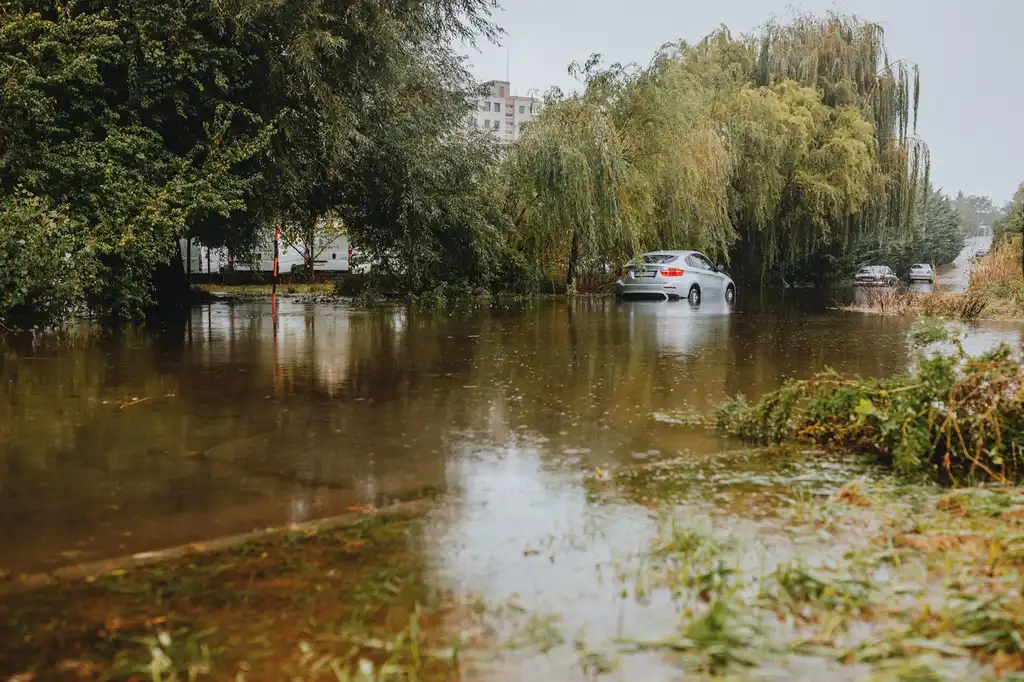
We apply an antimicrobial solution to all framing, joists, and concrete surfaces. Then we run a dehumidifier and air mover for 24 to 72 hours depending on how wet the structure is. We check moisture content every 12 hours and log the readings.
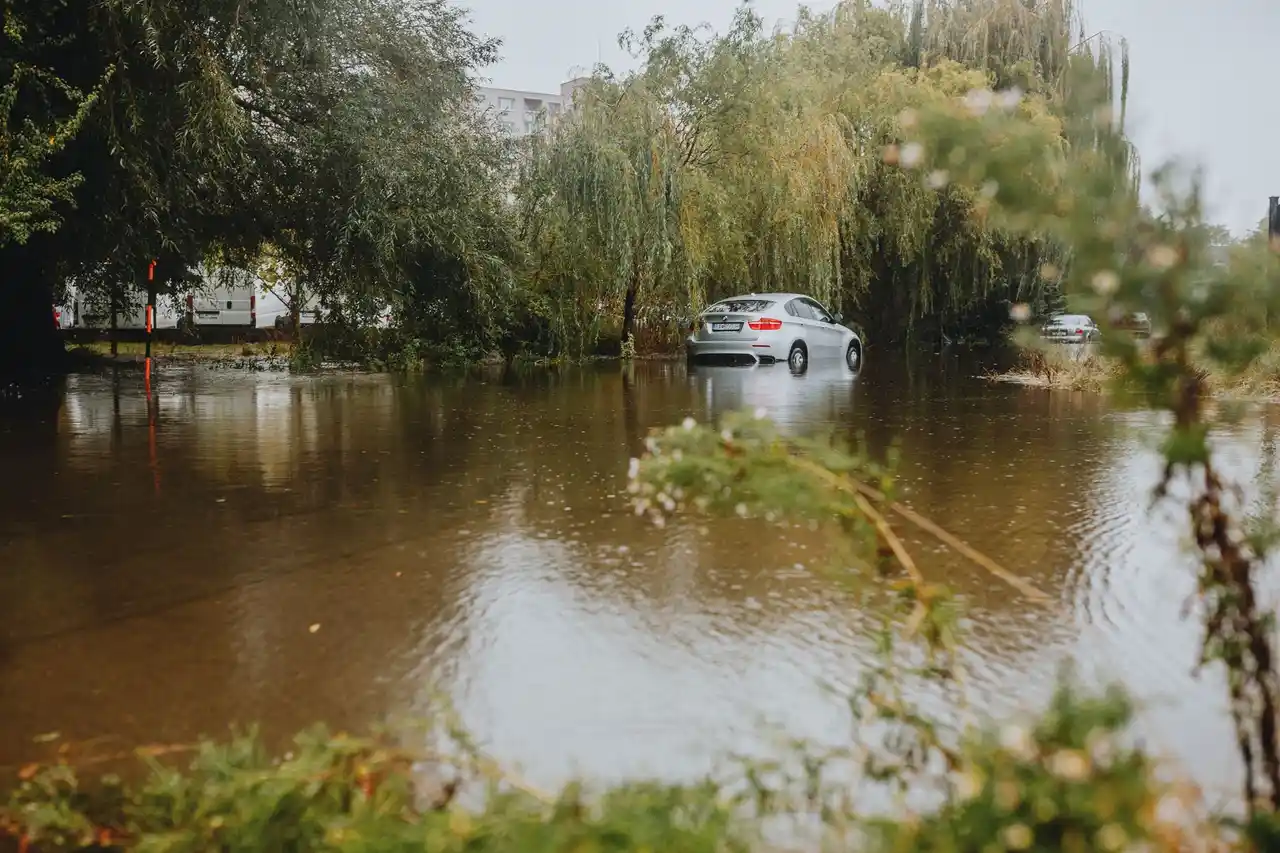
Final step is a moisture meter and hygrometer check on every stud bay and floor section. Once readings are dry, we document the job with photos and a written clearance summary. You or your contractor can then close the walls and finish the space.
Finds temperature differences that reveal hidden moisture behind drywall and under flooring. We use it on every inspection before we quote the job.
Lets us look inside wall cavities and under subfloor without tearing everything open. It confirms growth in places the eye cannot reach.

Measures moisture content in framing and relative humidity in the air. We log readings every 12 hours during drying and at final verification.
Pulls hundreds of gallons of water out of carpet, padding, and concrete faster than a portable unit. It is the heavy-lifting tool on any flooded basement.
Dries the structure after extraction. We run them for 24 to 72 hours and adjust placement based on moisture readings.
Neutralizes musty odor compounds in the air and in porous materials after physical removal. We run it in an empty, sealed space.
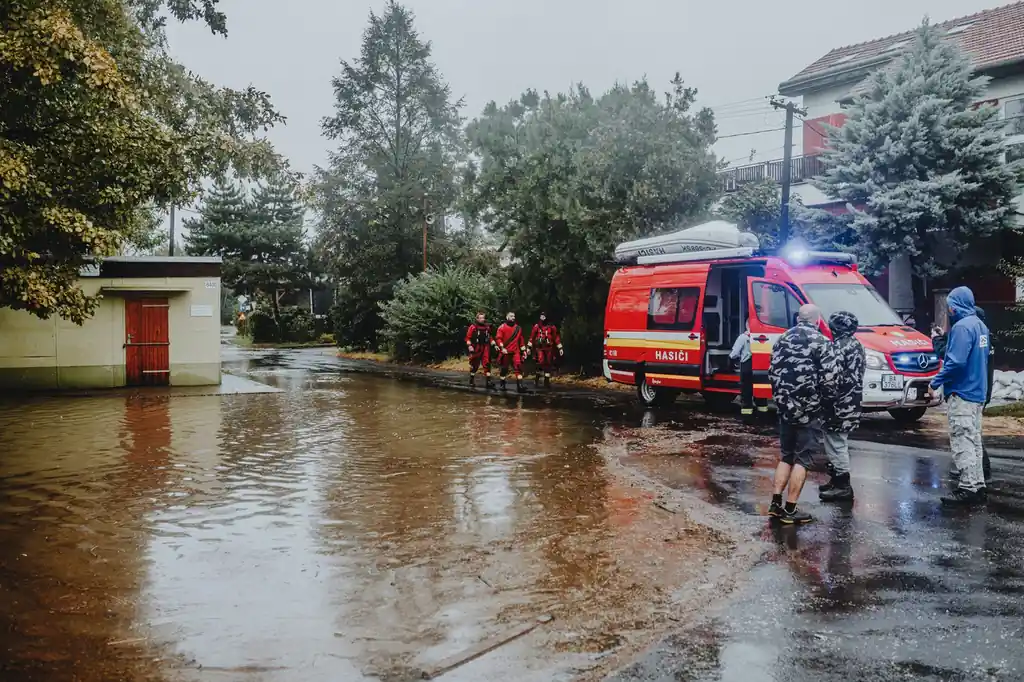
Cleans up slurry and residual water in corners and along walls where the extractor cannot reach. We use RIDGID and Shop-Vac units on every job.

Our mold work follows the IICRC Applied Microbial Remediation Technician standard for containment, removal, and treatment. That means defined containment, HEPA filtration, and documented moisture verification before we call a job done.
We pump the standing water, extract the carpet and padding, and set up drying equipment. Once the structure is dry, we inspect for mold and treat any growth we find. We also test the failed pump and replace it if needed. The basement is dry and mold-free within four days, and the new sump pump is ready for the next storm. You get photos and moisture logs for your insurance claim.
Sewage is a category 3 water event, so we remove all affected porous materials, disinfect with an antimicrobial solution, and treat the framing. If mold has already started, we run full remediation on the same job. The space is sanitized and dry, and any mold growth is removed. You get a documented scope that most homeowner policies will cover.
We repair the crack with hydraulic cement and polyurethane sealant, then remove the affected drywall and insulation. We treat the framing and dry the cavity before handing it back for rebuild. The wall stops leaking and the mold is gone. Because the crack is sealed, you are not calling us again next spring for the same wall.
We extract the water, remove wet drywall and baseboard, treat the area, and dry the space. We schedule the work around your turnover timeline and document everything for the deposit file. The unit is dry and mold-free and ready to show. You get a written clearance summary and photos to keep with the lease records.
Newport sits right on the Ohio River, and that shapes every basement job we run. Spring storms push water through foundation walls, and the older housing stock in Historic Hill and along Broadway has the poured and block foundations that crack first. Most of these homes were built before 1978, which is why we carry EPA Lead-Safe Certification before we cut into painted drywall. Campbell County permitting matters too: if you are rebuilding after remediation, the work has to be code-correct, and we document the job so your contractor can pull the right permit. We see the same failure points over and over: a Zoeller or Wayne sump pump that quit during a storm, a clogged gutter downspout dumping water against the wall, or a window well that overflowed. If you need 24/7 mold removal in Newport, Kentucky after a night flood, call us and we will tell you honestly whether the water needs to come out first. We treat the source, dry the structure, and verify before we leave.
A failed sump pump left two inches of water across a 400-square-foot finished basement overnight. Carpet and padding were soaked, and black mold had started along the bottom of the drywall within 48 hours.
We extracted 180 gallons of water, removed the wet carpet, padding, and 12 linear feet of drywall, treated the framing, and dried the space for three days. Final moisture readings were under 12 percent on every stud bay.
We replaced the failed pump with a correctly sized Zoeller unit and tested the discharge line. Run the pump once a month and check the check valve each spring before storm season.
A heavy rain event backed sewage into a rental basement on Broadway. Contaminated water covered the floor and soaked the bottom of the drywall. The unit was vacant and needed to be turned over in a week.
We removed all affected porous materials, disinfected with an antimicrobial solution, treated the framing, and dried the space in four days. The unit passed a final moisture check and was ready to show.
We corrected the downspout drainage that contributed to the backup. Keep gutters clear and have the backwater valve checked annually to reduce the risk of a repeat.
A homeowner on Bellevue Avenue smelled something musty for months but could not see any growth. A thermal camera found moisture behind one finished wall, and a boroscope confirmed mold on the back of the drywall.
We opened a 4-foot section of wall, removed the affected drywall and insulation, treated the framing, and dried the cavity in two days. Air sampling after treatment came back clear.
We repaired the foundation crack that was letting water in and sealed it with hydraulic cement. Check the wall after heavy rain for the first season to confirm it stays dry.
Mold is a symptom, not the root problem. Here are the situations we see most often in Newport basements and how we fix the cause, not just the growth.
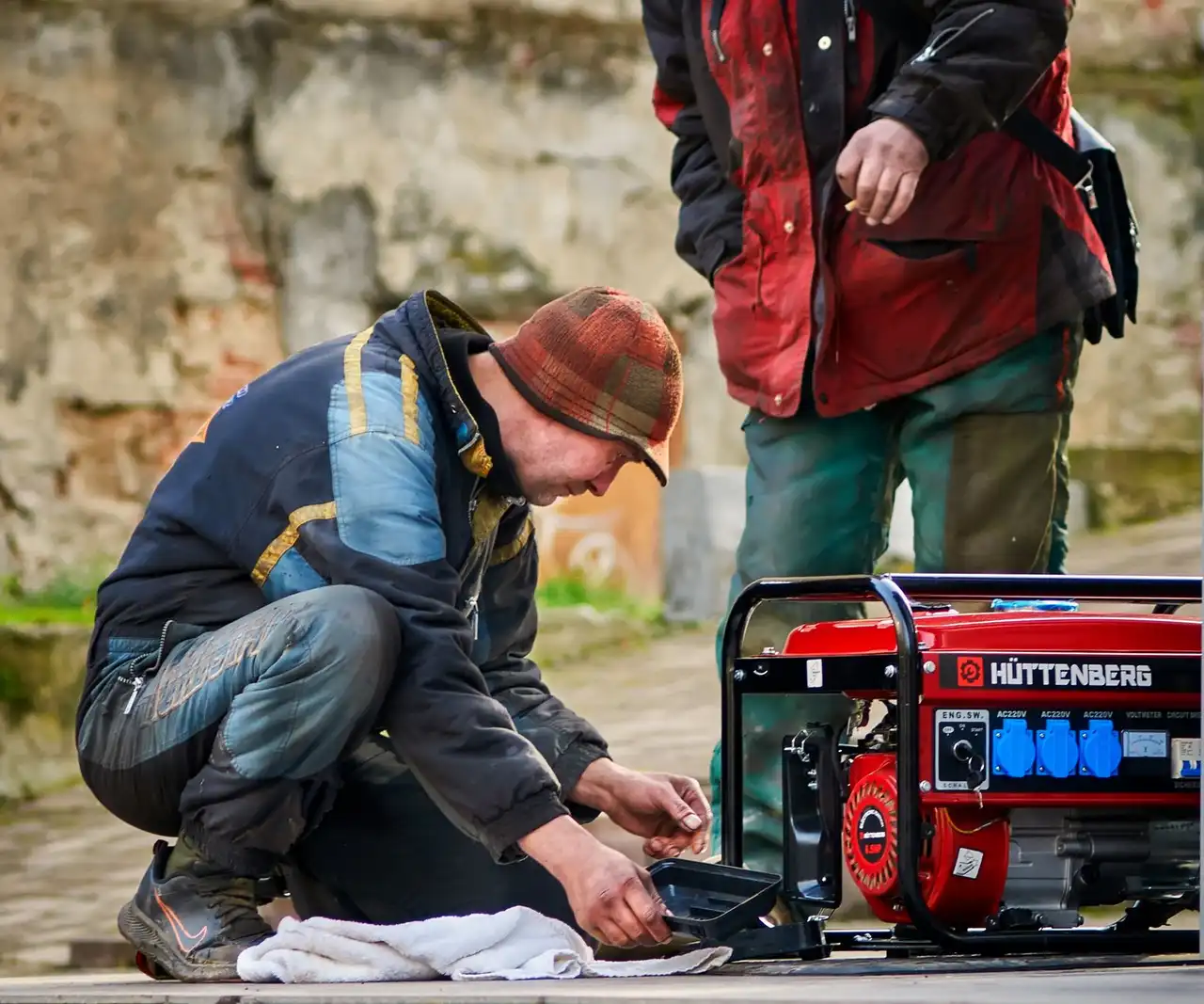
We cut out the affected drywall and insulation, treat the framing with an antimicrobial solution, and dry the cavity. Then we find the water source, whether that is a foundation crack or a failed sump pump, and fix it so the mold does not come back next spring. If it is left alone, the mold spreads up the wall and into the insulation, and the musty smell moves into the living space above. Air quality drops, and allergy symptoms get worse for anyone in the house.
We use a thermal imaging camera and boroscope inspection camera to find the moisture behind the wall. Air and surface sampling confirms what is growing. Once we know where it is, we open the wall, remove the affected material, and treat the space. Hidden growth behind a finished wall or under carpet keeps releasing odor compounds. You cannot see it, so you cannot clean it, and it keeps getting worse. This is the most common reason people call us after months of trying to ignore the smell.
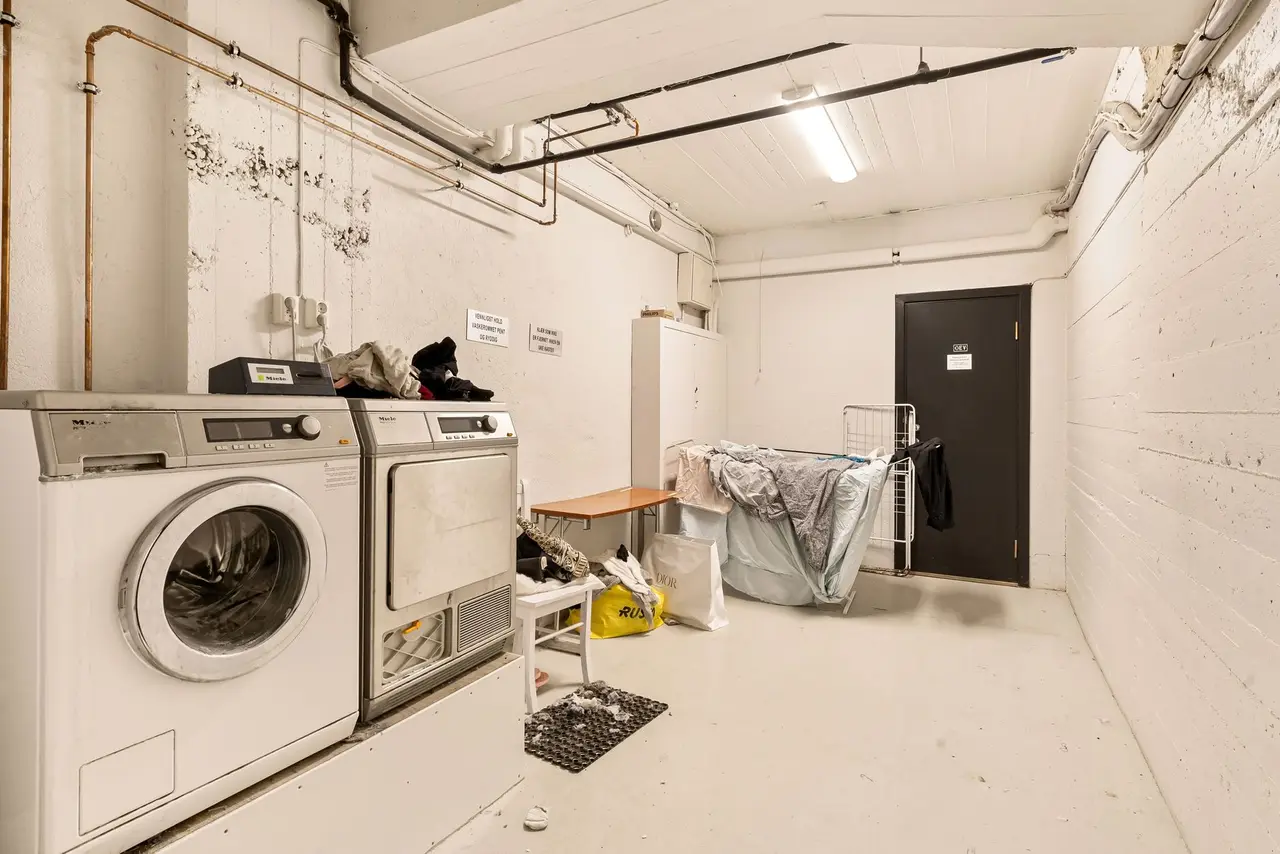
We start by finding the moisture source and fixing it, whether that is a sump pump replacement, a foundation crack repair, or a gutter and downspout correction. Then we remediate the mold. Fixing the source first is what makes the treatment last. If the water source was never fixed, mold comes back within a season. You pay twice for the same problem. This happens most often when a sump pump was never repaired or a downspout still dumps against the foundation.
We remove standing water, dry the space with air movers and a dehumidifier, treat the growth, and install a crawl space liner and vapor barrier. Encapsulation cuts the humidity that feeds the mold, so the crawl space stops being a problem. Crawl space mold releases spores that travel up through the floor into living areas. It also rots floor joists and subfloor over time. Most homeowners do not know it is there until they smell it inside.
We trace the moisture back to its source, whether that is a failed sump pump, a cracked foundation wall, or a window well overflow. We repair the source, then treat the mold. That is why our affordable mold remediation Newport KY customers rarely see the same growth come back the next spring.
We do not just spray and leave. After treatment, we run a moisture meter and hygrometer to confirm the framing is under 15 percent moisture content. Only then do we hand the space back for drywall and paint. That verification step is what separates real mold removal Newport KY from a quick spray job.
We seal off the work area with plastic sheeting and run negative air pressure so spores do not travel into your living space. Furniture, carpet, and belongings outside the containment stay clean. This is standard practice on every professional mold remediation in Newport, Kentucky job we run.
Musty odors come from microbial volatile compounds, not just visible mold. We use an ozone generator and hydroxyl treatment after physical removal to neutralize those compounds in the air and in porous materials. Customers on Thames Street and Lower Thames tell us the basement smells like a normal room again.
Clear records you can keep and share.
Square footage, moisture readings, flat price
Readings every 12 hours through drying
Before, during, and after documentation
Mold needs moisture, so killing the growth without fixing the water source just delays the problem. The order of work matters more than the product you spray.
If a wall is still getting wet, treating the mold on it is wasted effort. We fix the leak, crack, or pump first. Then the treatment holds.
New drywall over wet framing traps moisture and feeds a new colony. We verify every stud bay with a moisture meter before handing the space back.
Drywall, carpet, and insulation with growth cannot be cleaned in place. They are removed and replaced. Non-porous framing and concrete can be treated and kept.
Outside these areas? Call and ask - we may still be able to help. +18598328132
Most basement mold jobs in Newport run $1,200 to $4,500 in 2026, depending on square footage and how much drywall has to come out. A small crawl space with surface growth might be $800 to $1,500. A finished basement with wet drywall and insulation removal pushes toward the top of the range. We give you a flat written price after the inspection, before any work starts.
Newport Basement Flood Pros handles mold removal Newport KY and the surrounding Campbell County area. We are local, we carry IICRC AMRT certification, and we run both the water extraction and the mold treatment on the same job. Call +18598328132 and we will schedule an inspection, usually within 24 to 48 hours.
A typical 300-square-foot basement takes two to four days from containment to final verification. Removal and treatment usually happen on day one. Drying runs 24 to 72 hours after that, and we check moisture every 12 hours. If the framing is still wet on day three, we keep the dehumidifier running. We do not close out a job until the moisture meter reads dry.
It often is, when the mold came from a covered water event like a burst pipe, sump pump failure, or appliance leak. Most policies exclude mold that resulted from long-term neglect. We document every job with photos, moisture logs, and a written scope that adjusters accept. You file the claim, and we answer any questions your adjuster has about the work.
Mold grows fast, and every day you wait is another day it spreads. Call +18598328132 and we will schedule an inspection, give you a flat written price, and tell you honestly what the job needs. We serve Newport, Kentucky and the surrounding Campbell County area.
Reach us at +18598328132 any time, day or night. We answer emergency calls around the clock and schedule standard estimates during business hours. Tell us the water source, how deep it is, and whether it smells like sewage - that tells us what to bring. We serve all of Newport and Campbell County.