Written scope
each crack, drain and pump listed
If your Newport basement takes on water every spring, you need basement waterproofing Newport KY that fixes the source, not just the puddle. We seal cracks, install drainage and set up sump systems for homes across Campbell County. Whether it is a damp wall on Thames Street or a flooded floor near The Point, we stop the water before it costs you drywall, flooring and air quality.
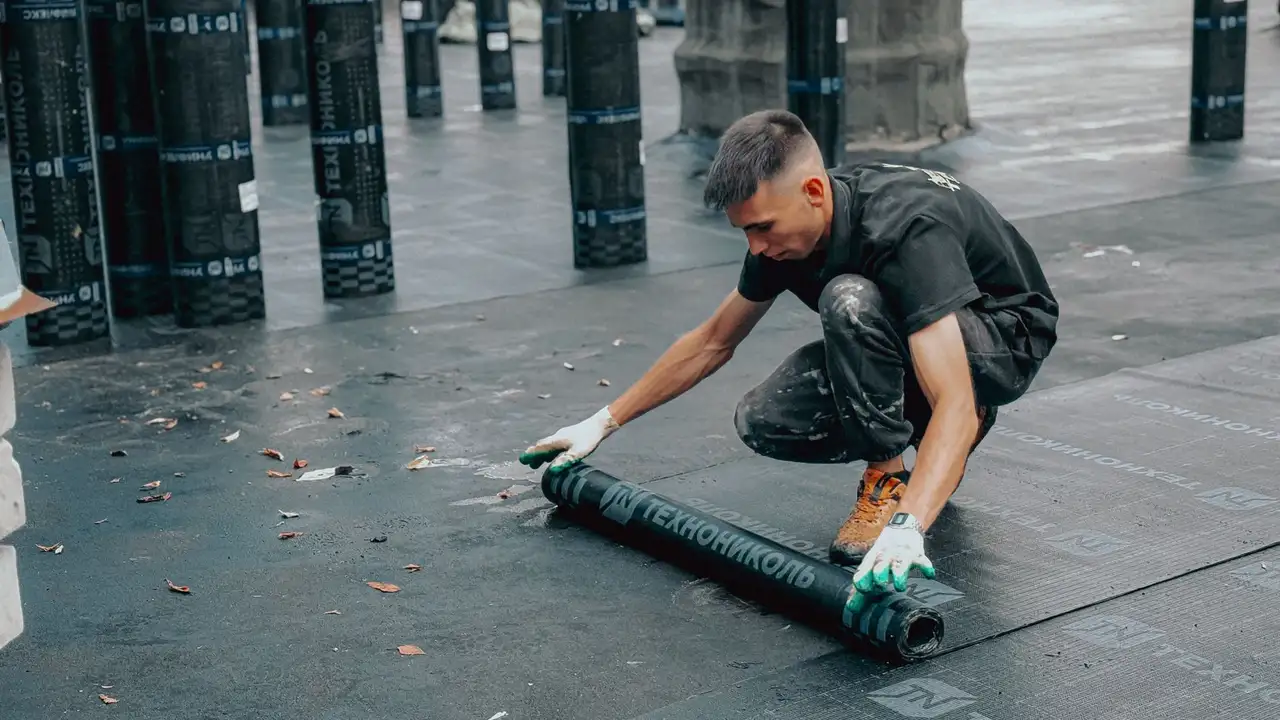
Every waterproofing scope is built around your basement, not a package. These are the pieces we include when they apply, and we tell you upfront which ones your job needs and which it does not.
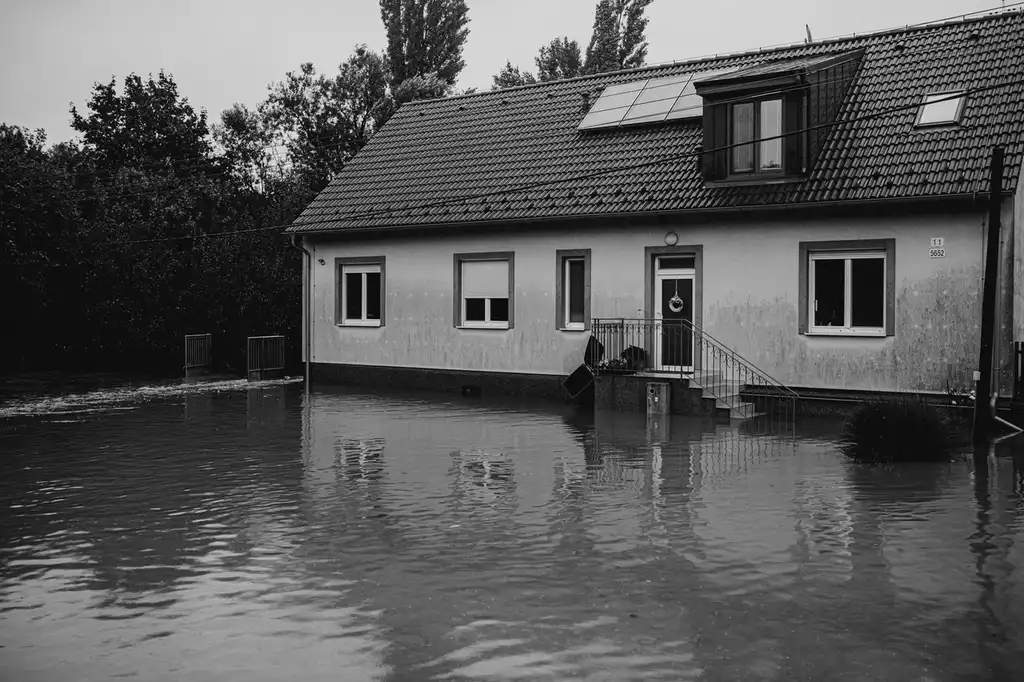
We seal cracks, install drainage and set sump pumps for homeowners across Newport. You get a dry floor and a written scope that shows what was done and why.
We waterproof basements and crawl spaces for landlords, property managers and small businesses in Newport. Work is scheduled around tenants and documented with photos.
Basement waterproofing Newport KY is the work of keeping groundwater and surface water out of your basement for good. It is not one product. It is a system: sealing foundation cracks with hydraulic cement and polyurethane sealant, managing hydrostatic pressure with interior drainage, moving water away from the walls with a sump pump and discharge line, and controlling humidity with a vapor barrier and dehumidifier. We inspect first with a moisture meter and thermal imaging camera, then build the fix around what your basement actually does when it rains.
Newport sits on the Ohio River, and the older housing stock near Bellevue Avenue and Fifth Ward deals with window well overflow, clogged gutter downspouts and cracked block foundations every wet season. If you have been searching for basement waterproofing Newport KY near me after a sump pump failure, you already know the pattern: water comes in, you shop-vac it out, it comes back. We break that cycle with basement sealing Newport KY that addresses the entry points instead of the puddles.
Water comes in through cracks and pressure, so we fix both, not just the puddle.
Every job follows the same five steps. You get a written scope, a fixed price and a dry basement, in that order.
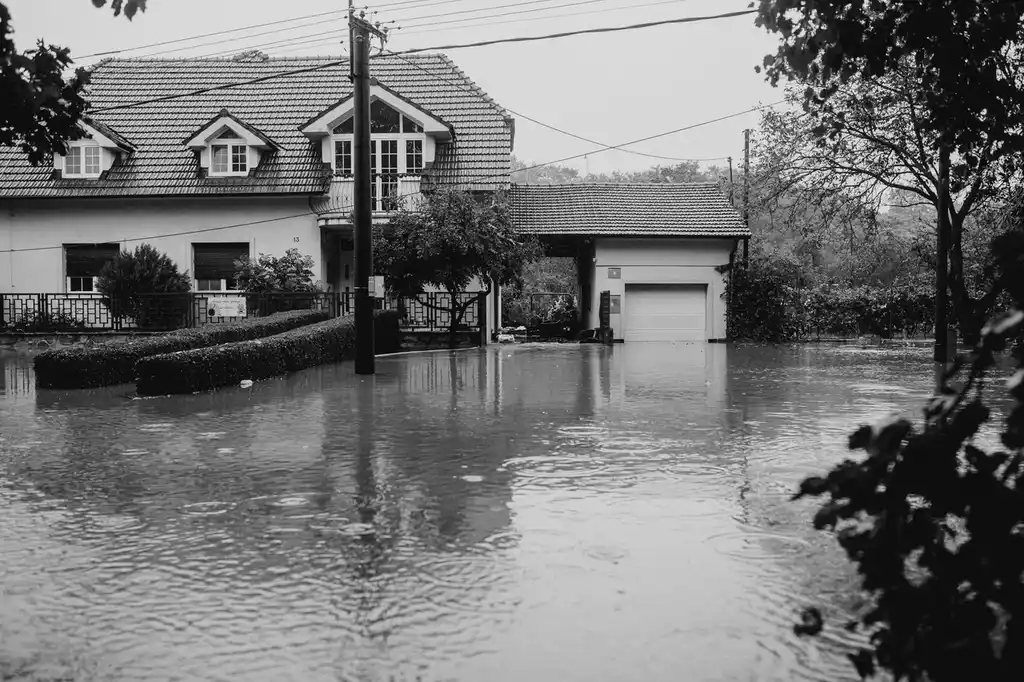
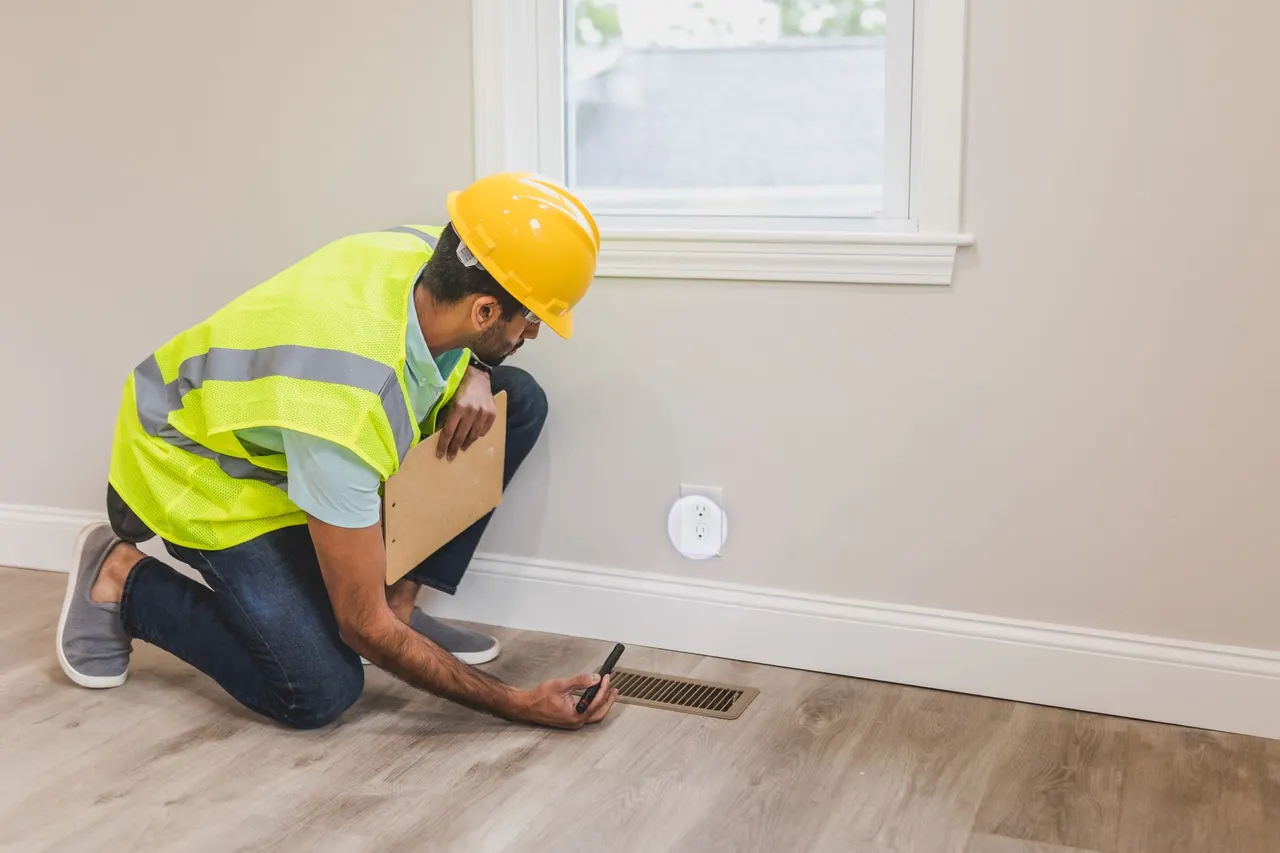
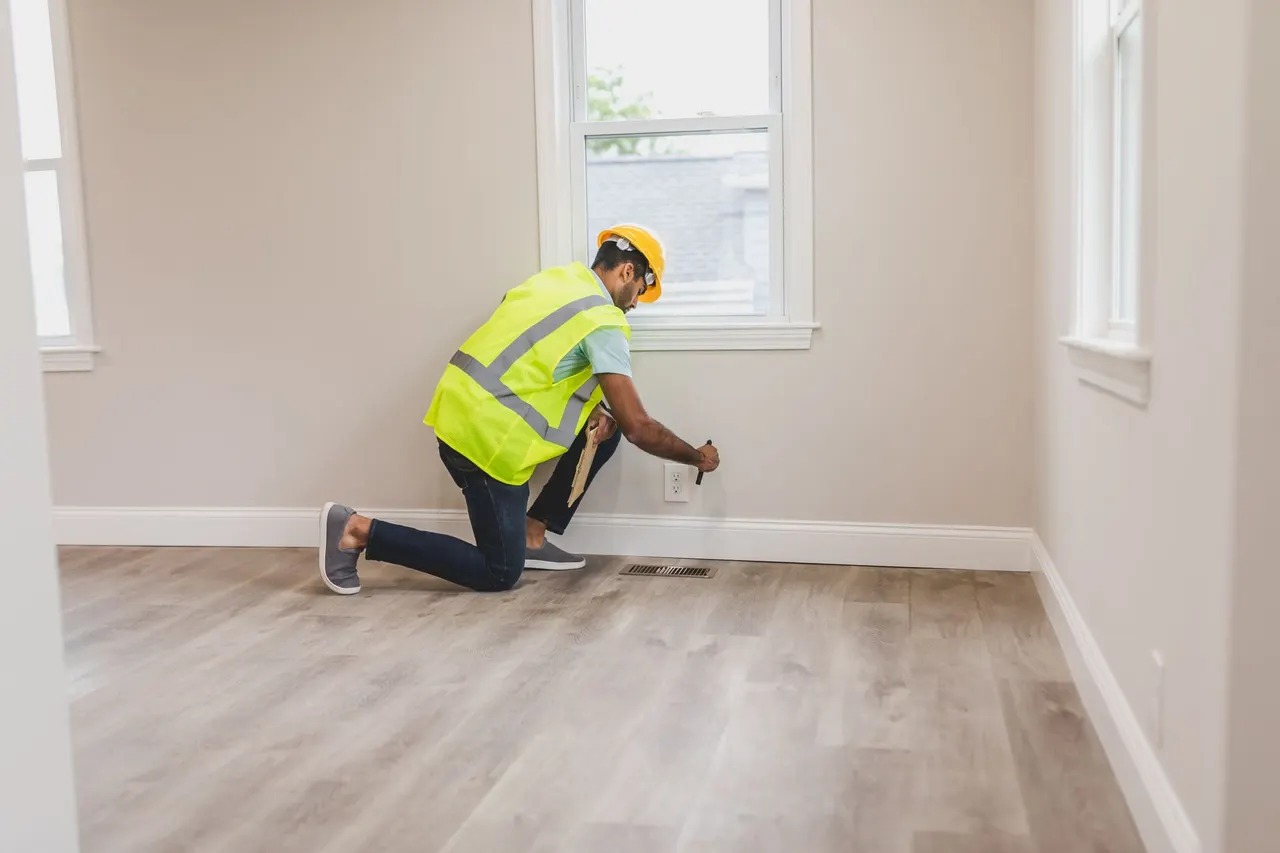
We walk the basement with a moisture meter, hygrometer and thermal imaging camera, and check the exterior grade, gutters and window wells. A boroscope inspection camera goes into any crack we cannot read from the surface. This takes 45 to 90 minutes and tells us exactly where the water is entering.
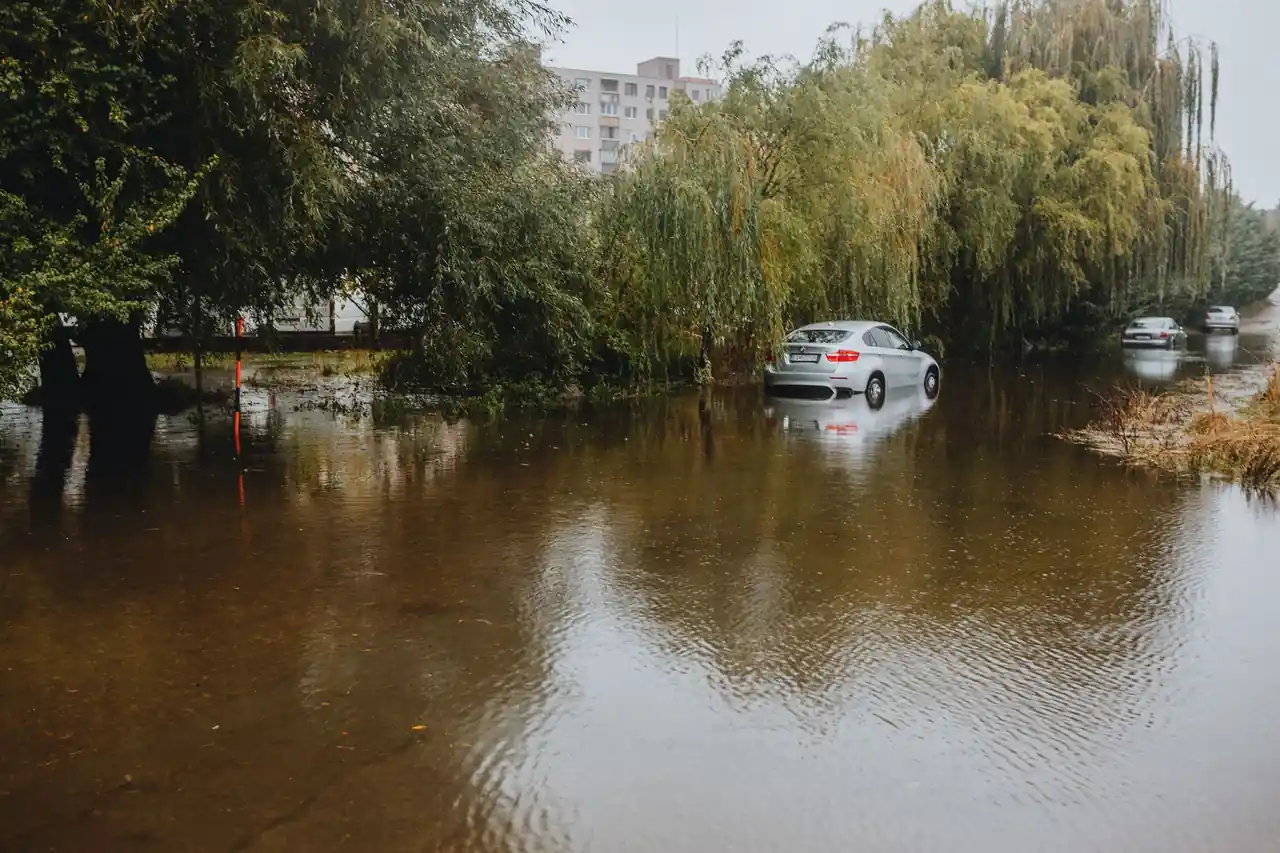
You get a written scope the same day: which cracks get sealed, whether you need interior drainage or a sump pump, and what it costs. No guesswork, no vague line items. If a French drain or crawl space liner is the right call, we say so and show you why.
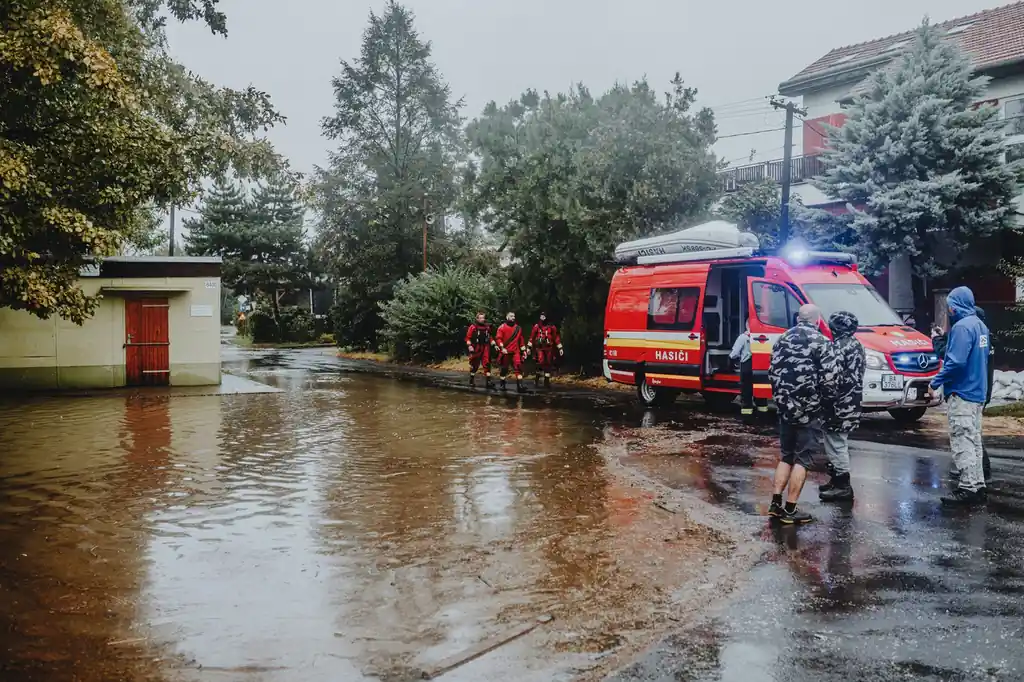
We seal cracks with hydraulic cement and polyurethane sealant, install perforated drain pipe in gravel where pressure is the problem, and tie it into a sump basin. A check valve on the discharge pipe keeps water from siphoning back in. Most sealing work is done in one day.
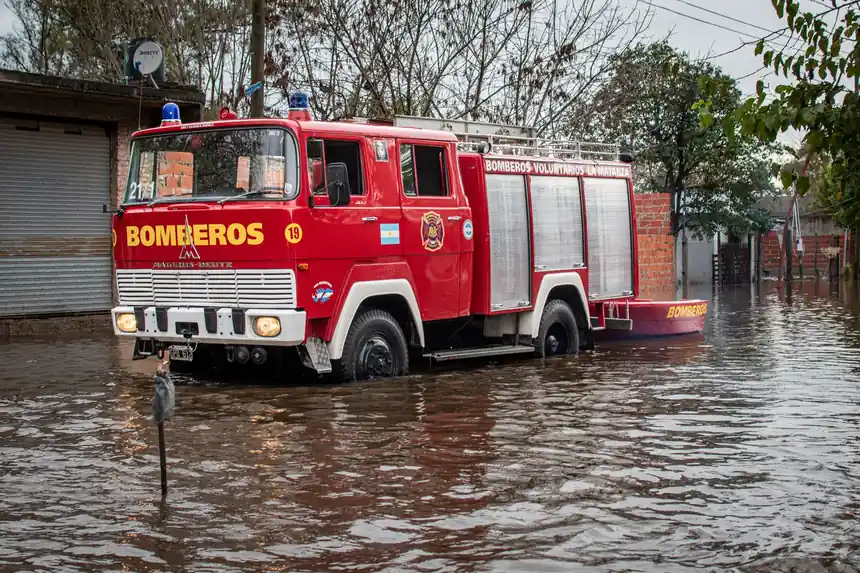
We set a Zoeller, Wayne or Liberty Pumps sump pump with a submersible float, run the sump pump discharge pipe to a point that drains away from the foundation, and test it under load. If you already have a pump, we check the check valve and the basin before we recommend replacement.
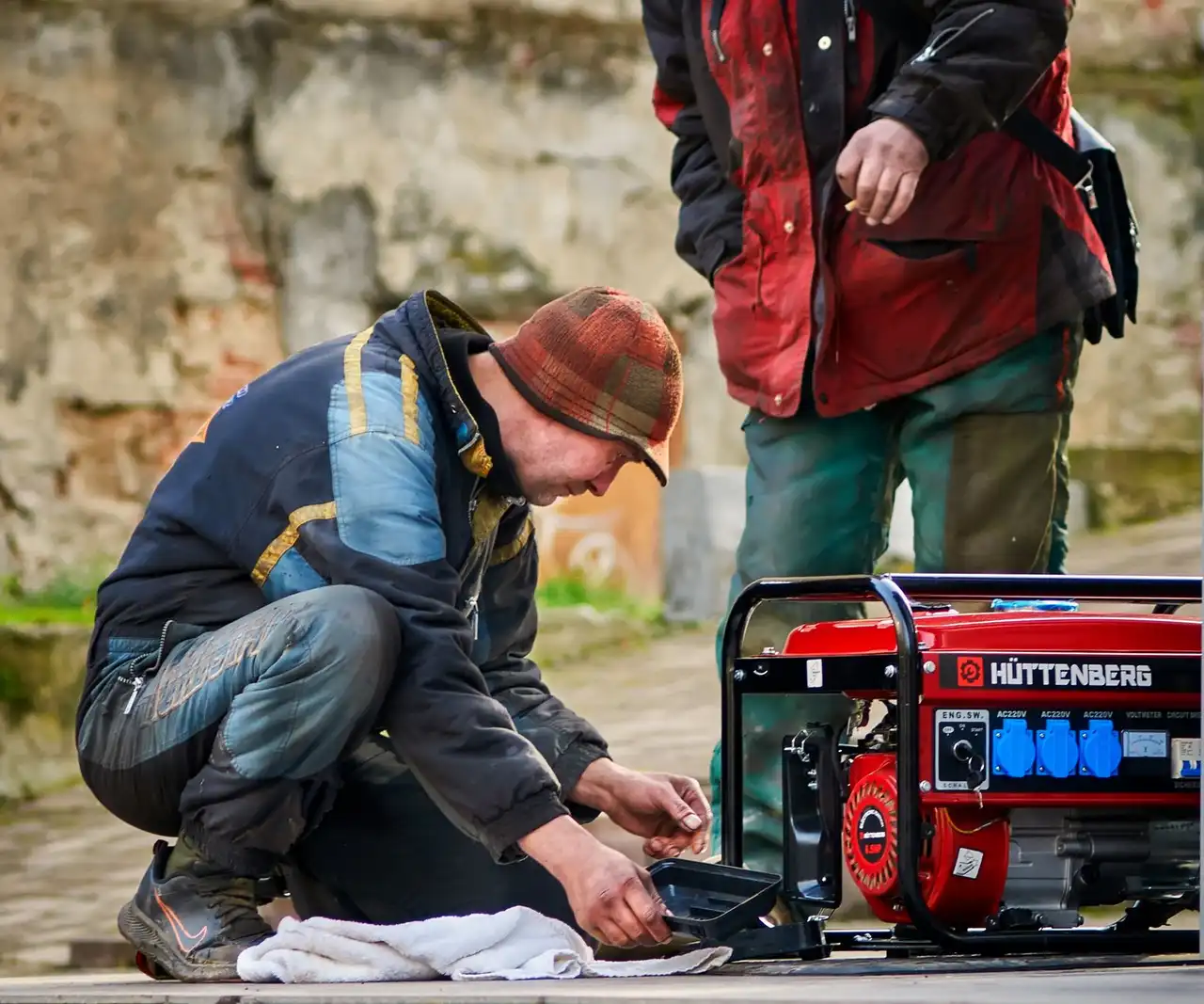
We run water against the walls, watch the sump cycle, and re-check moisture readings before we pack up. You get photos of the work, a maintenance schedule and a clear answer on when to call us back. Typical jobs finish in one to three days.
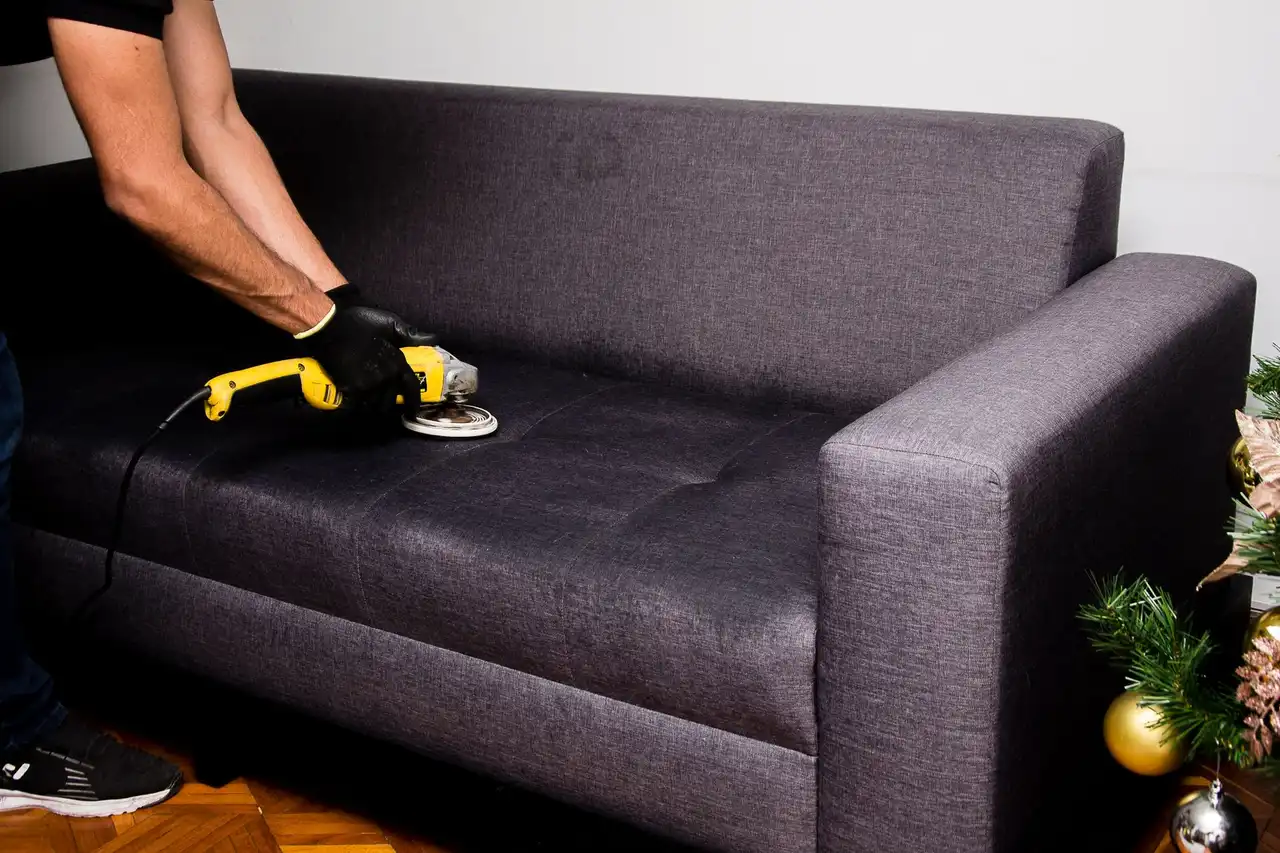
Reads moisture content in block, concrete and air so we know exactly how wet the space is before and after the work.
Shows temperature differences behind walls and floors, which reveals hidden water paths and seepage we cannot see with the naked eye.
Goes inside cracks and wall cavities to confirm depth and direction before we seal, so the repair matches the actual defect.
Zoeller, Wayne and Liberty Pumps units move water out of the basin and away from the foundation, with a check valve to stop backflow.
Brings wall and floor moisture down to safe levels after a wet event so sealing does not trap water inside the block.
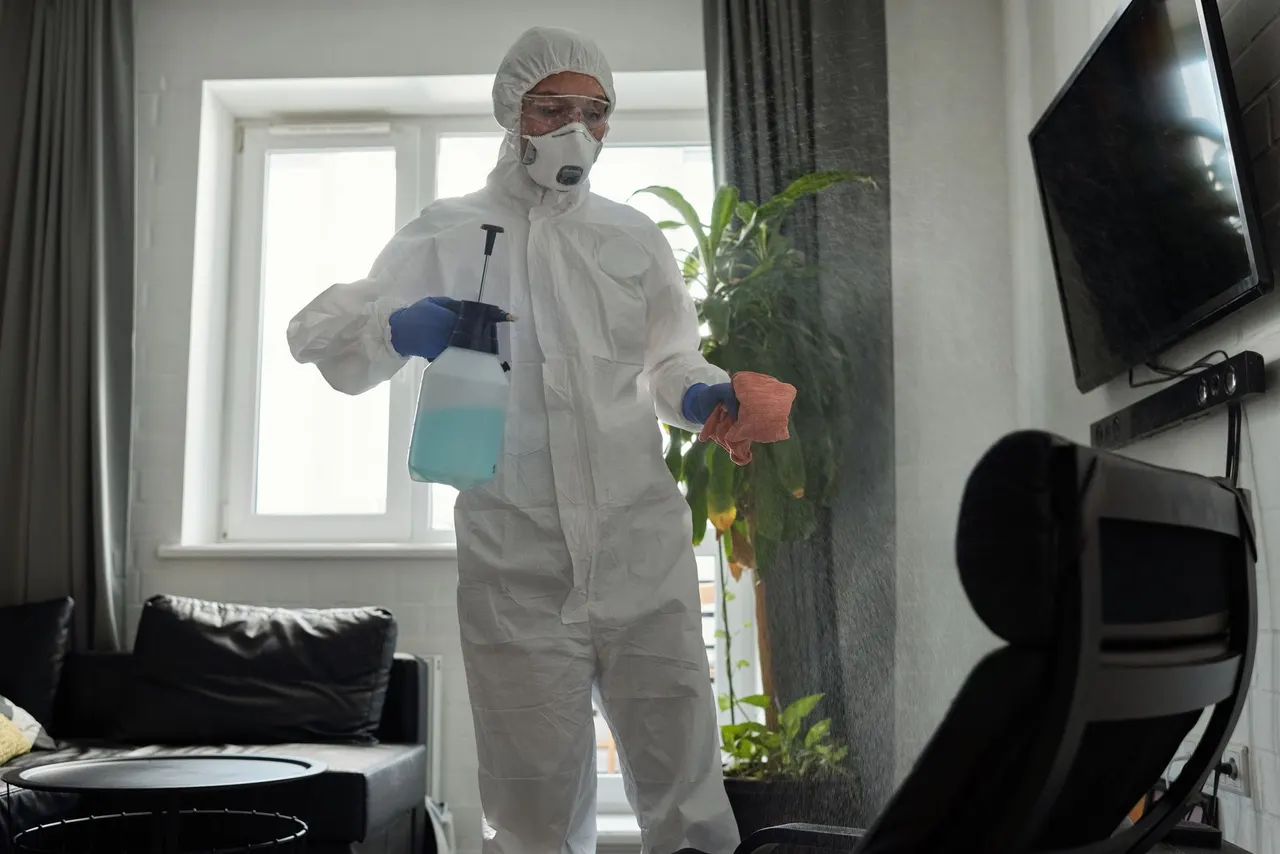
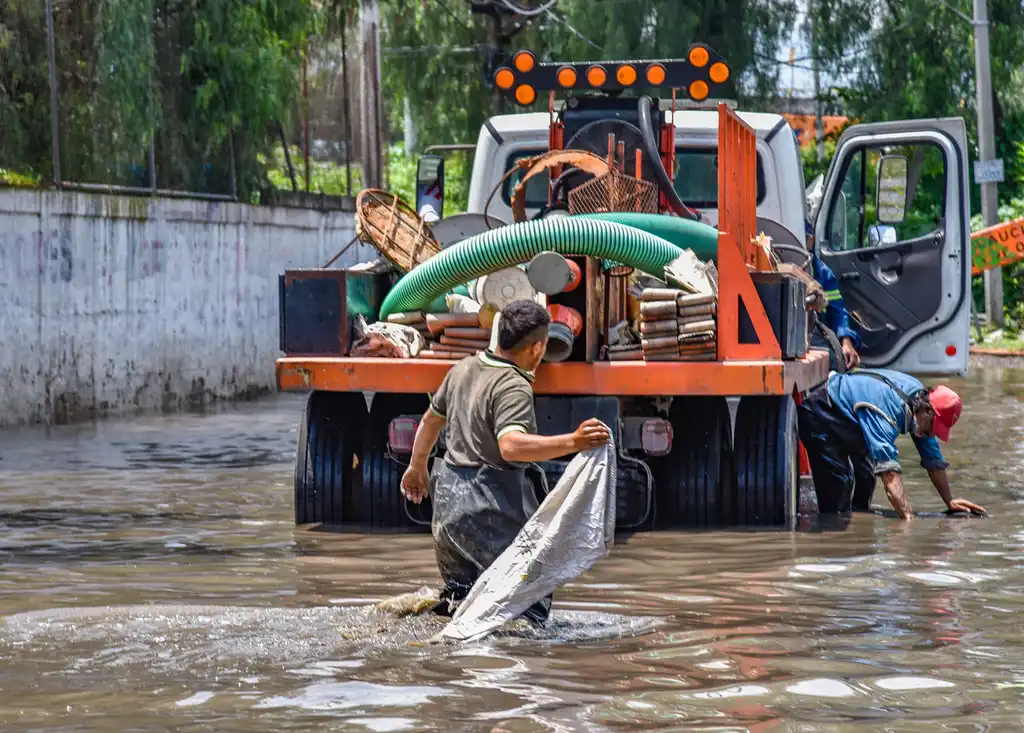
Pulls large volumes of standing water out fast when the basement is already flooded and drying needs to start immediately.
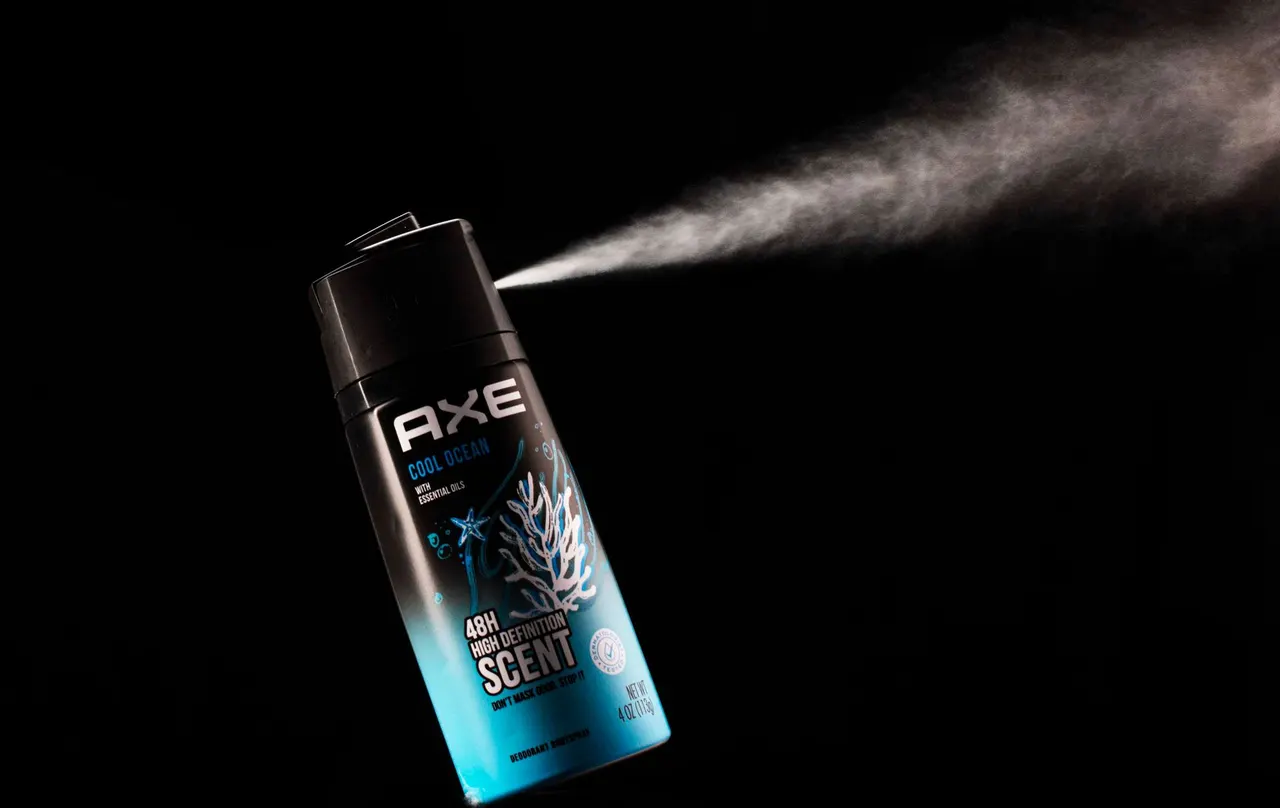
We clean the crack, inject epoxy crack filler where structural bonding is needed, and finish with hydraulic cement and polyurethane sealant rated for wet-block walls. This is the standard approach for poured and block foundations in Newport.

Perforated drain pipe set in gravel along the footing collects water before it reaches the floor and routes it to a sump basin. A check valve on the discharge pipe keeps water from siphoning back in during heavy rain.
We inspect during the wet period if possible, seal the cracks and cove joints, and install interior drainage with a sump pump to relieve hydrostatic pressure before it reaches the floor. A dry floor through the spring thaw, with the sump cycling instead of you running a wet vac.
We waterproof first: seal cracks, address drainage, set the sump and vapor barrier, and confirm moisture readings are low before framing starts. A finished basement that does not have to be torn open in two years because water came through the wall.
We inspect, document the moisture readings, complete the sealing and drainage work, and provide photos of the finished job for the buyer. A documented fix that answers the inspection finding and keeps the sale moving.
We test the pump, float and check valve, clear the discharge line and replace the unit if it is failing, then confirm the drainage system is moving water away from the foundation. A pump that cycles normally under load and a basement that stays dry when it rains.
Newport basements deal with two water sources: the Ohio River water table and roof water that never leaves the foundation. In spring, the water table rises and hydrostatic pressure pushes through every crack and cove joint in older block walls. In summer, clogged gutter downspouts and window well overflow do the damage. The housing stock near Historic Hill and Lower Thames is older, which means more block foundations, more original cove joints and more EPA Lead-Safe Certification requirements when we disturb painted surfaces. We pull Campbell County permits when the scope calls for structural work, and we schedule around the wet season so inspections catch the basement at its worst. If you have been looking for 24/7 basement sealing in Newport, Kentucky after a storm, call us and we will get eyes on it fast. Typical 2026 pricing in this area runs $1,800 to $6,500 depending on how much drainage and sump work the job needs.
A 1930s block foundation seeped water along the cove joint every time it rained hard. The homeowner was running a wet/dry shop vacuum after each storm and had pulled the baseboard twice.
We sealed the cove joint and three vertical cracks, installed a French drain tied to a new sump pump, and tested with water against the wall. Moisture readings dropped from 28 percent to 11 percent on the block.
Run the sump test monthly, keep the discharge line clear and re-check the cove joint each spring. We schedule a re-inspection before the wet season.
A failed sump pump left three inches of standing water across a finished basement. Carpet, pad and two feet of drywall were soaked, and the space smelled musty within a day.
We extracted the water, removed the wet drywall and pad, dried with air movers and a Dri-Eaz dehumidifier, then waterproofed the walls and installed a Zoeller pump with a check valve. The space dried to under 12 percent moisture in four days.
Test the pump monthly, replace the battery backup every two to three years and keep the discharge line free of debris.
A window well filled during every heavy rain and dumped water into the basement. The downspout ended six inches from the foundation, so roof water soaked straight into the wall.
We re-graded and drained the window well, extended the downspout 10 feet from the house, and sealed the wall cracks with hydraulic cement and polyurethane sealant. The well has not overflowed through two storm seasons.
Clear the well and gutters each fall, check the downspout extension after winter and keep the grade sloping away from the wall.
Most wet basements in Newport trace back to one of a few causes. We find the cause, fix it and show you the readings that prove it is fixed.
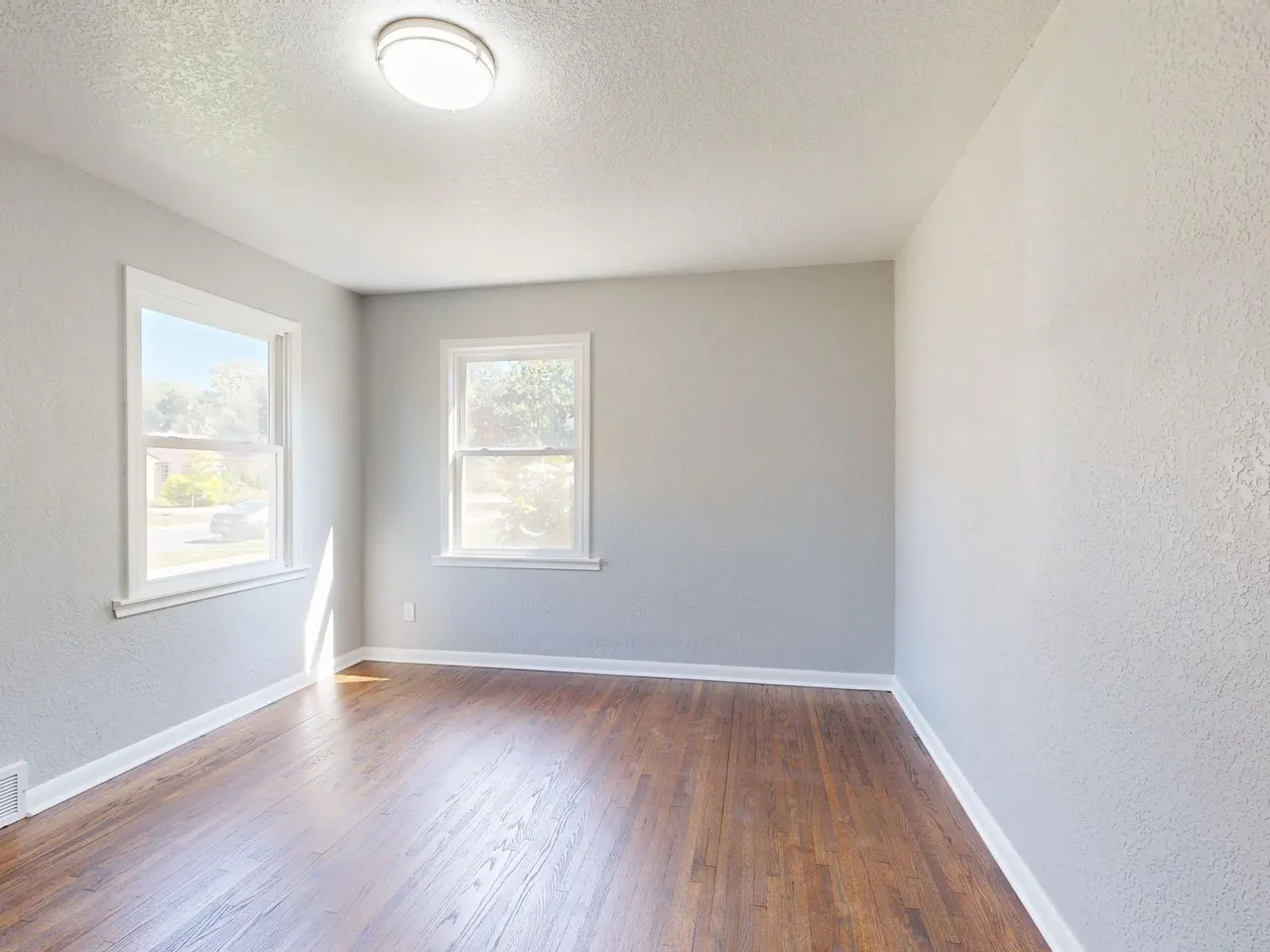
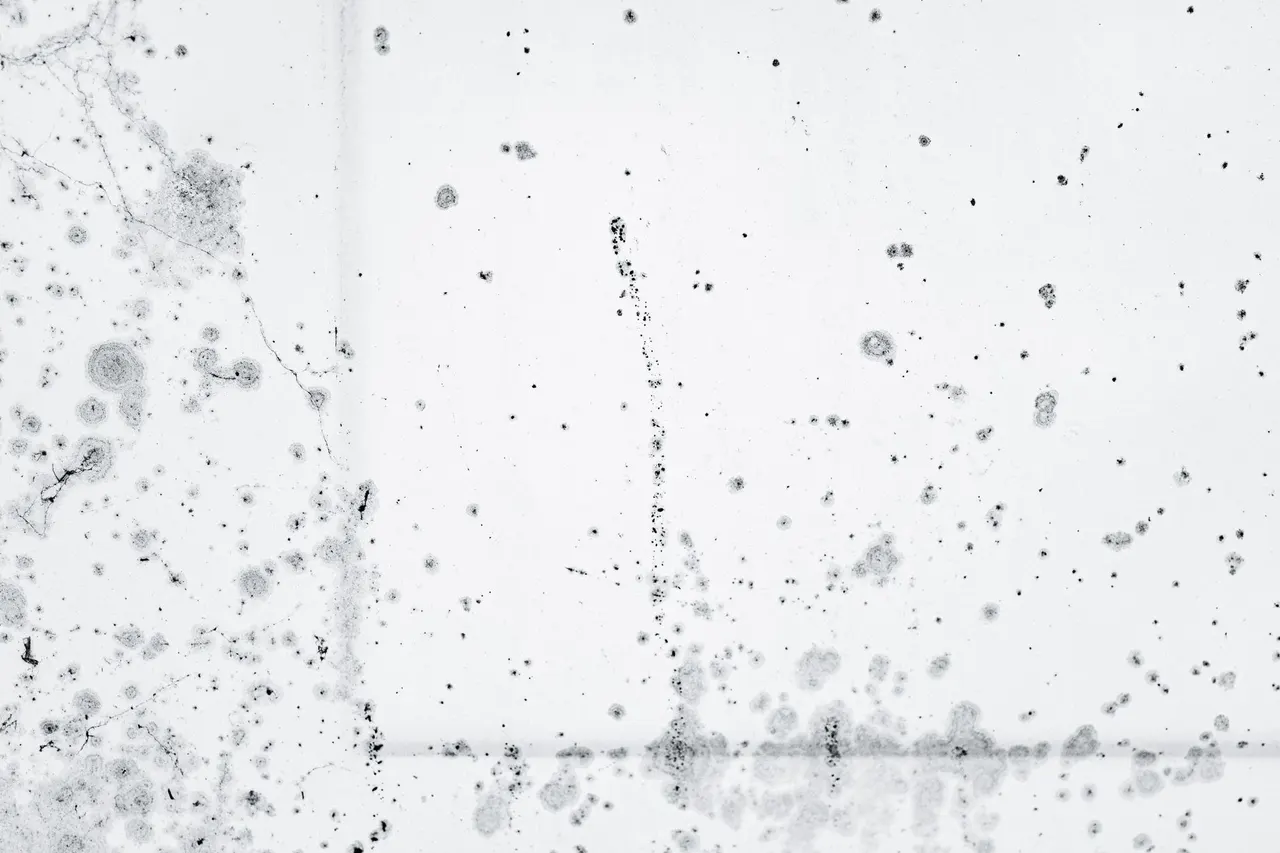
We inject epoxy crack filler and seal with hydraulic cement and polyurethane sealant, then check whether hydrostatic pressure needs interior drainage behind it. Most cracks are sealed in a single visit. Slow seepage keeps block walls damp, feeds mold growth and ruins anything stored against the wall. It rarely stops on its own and usually gets worse each season.
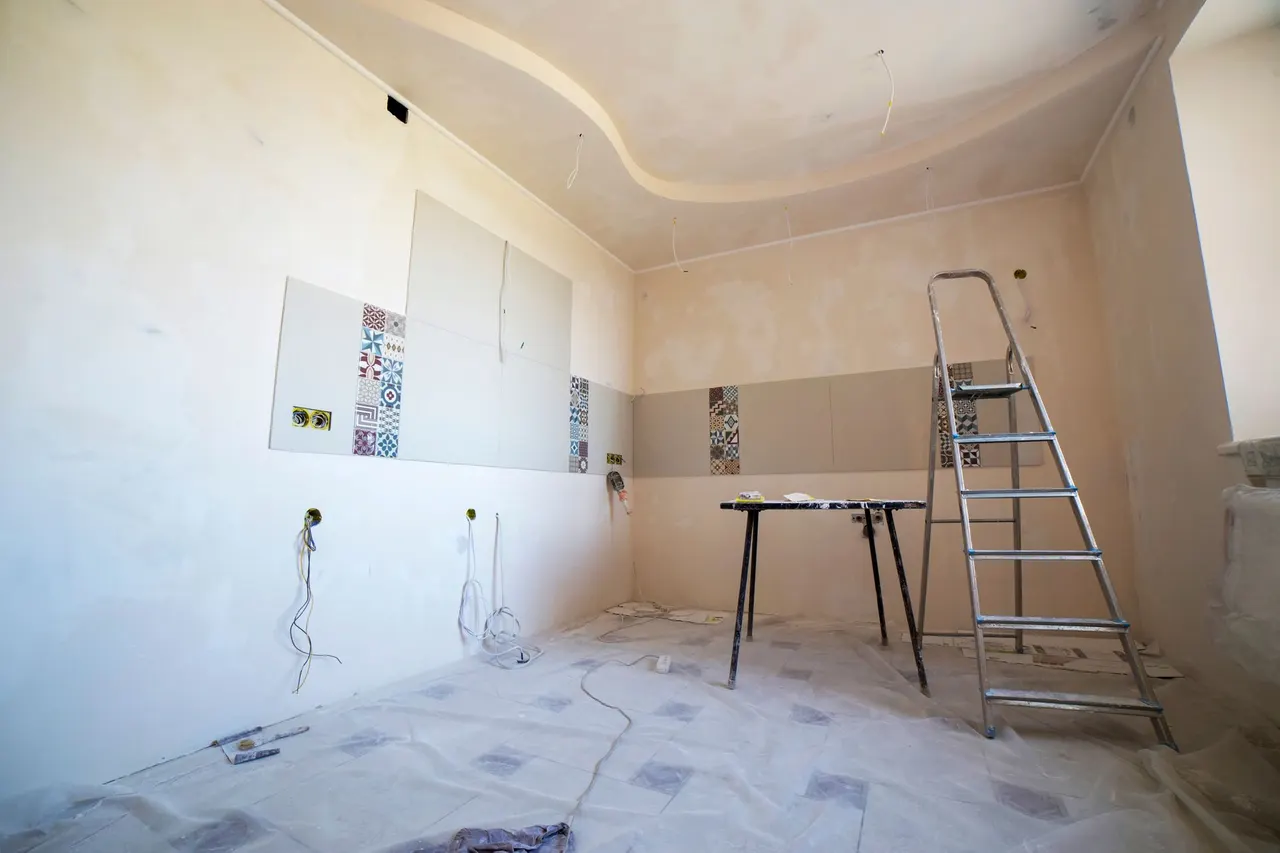
We clean up the water, dry the space with air movers and dehumidifiers, then repair or replace the pump with a Zoeller, Wayne or Liberty Pumps unit and test the check valve and discharge line. A dead pump means standing water within hours, wet drywall and baseboard, and a mold problem if it sits more than two days.
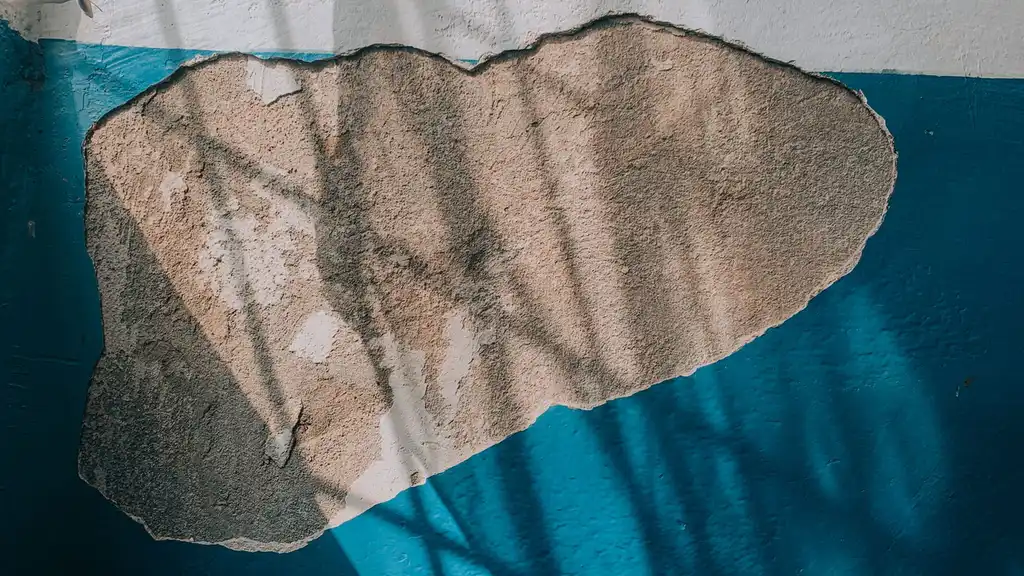
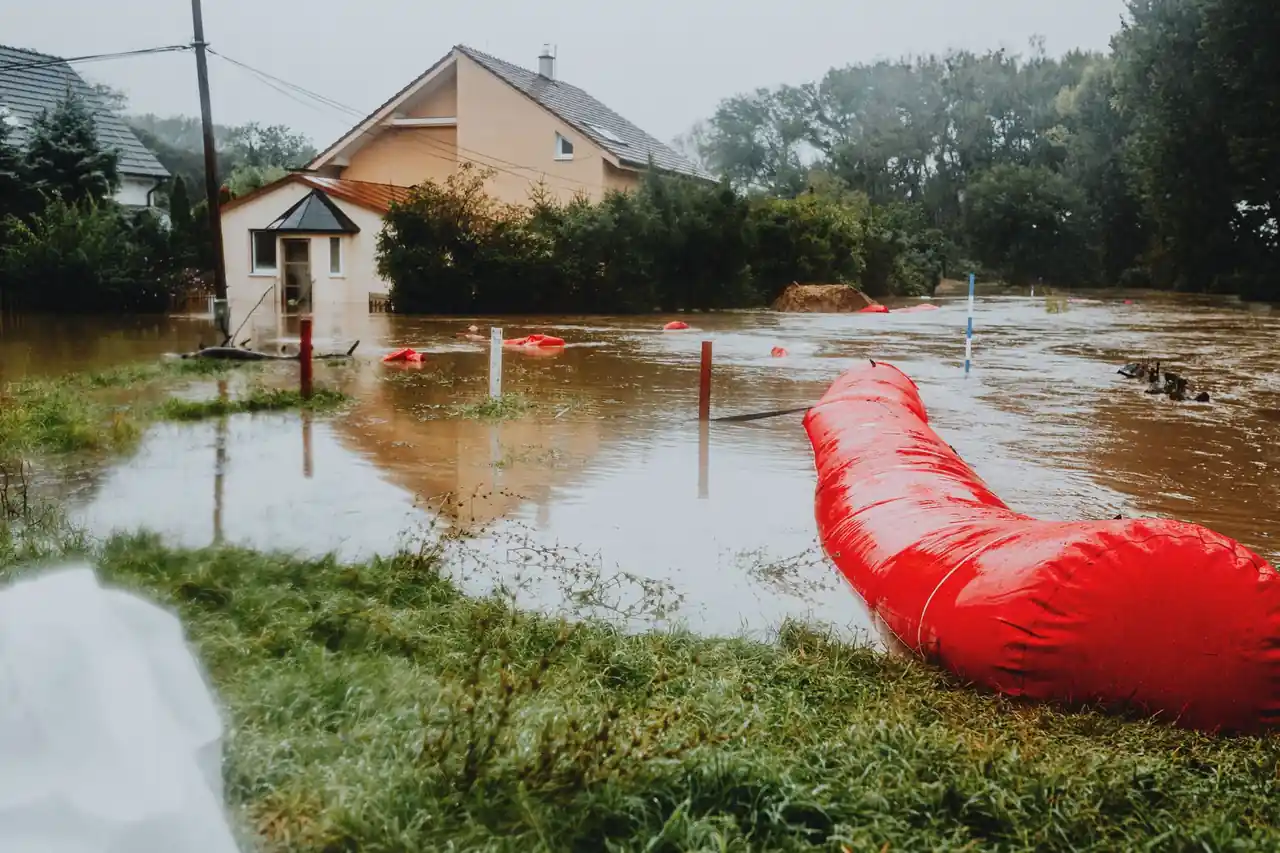
We clear and re-grade window wells, extend downspouts away from the house and tie the drainage into the waterproofing system so the water leaves instead of soaking in. Roof and surface water dumps right at the foundation, which is the fastest way to flood a basement that was otherwise dry.
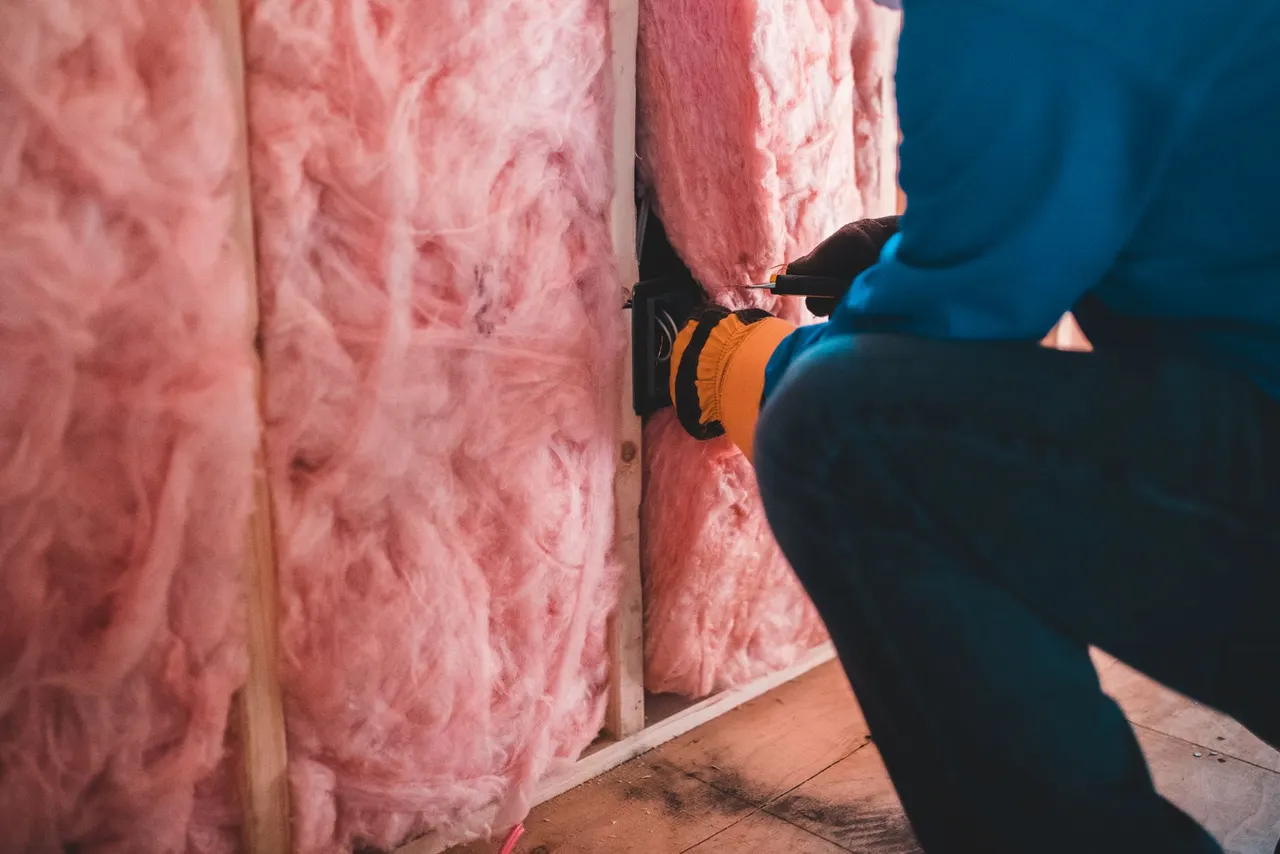
We remove standing water, install a crawl space liner and vapor barrier, and pair it with basement sealing Newport KY work on the shared foundation so both spaces stay dry. Crawl space moisture rises into the living space, drives up humidity and creates the smell that tells you mold is growing somewhere you cannot see.
A properly sealed and drained basement keeps water out through the spring thaw and summer storms that push the Ohio River up. Most of our Newport jobs end with a dry floor after a two-inch rain, not a wet vac session at 11 p.m.
Hydrostatic pressure works on every crack it finds. Sealing with hydraulic cement and epoxy crack filler, then relieving pressure with interior drainage, keeps your block or poured walls from spalling and shifting over the next decade.
Mold growth starts within 24 to 48 hours of a wet event. Waterproofing plus a dehumidifier keeps basement humidity under 50 percent, which is the line where mold and that wet-basement smell stop coming back.
Wet drywall, baseboard and warped hardwood floors are the expensive part of a flooded basement. Keeping the slab dry protects the finished space and the structure above it, and it keeps your insurance claims off the record.
Clear records you can keep and share.
each crack, drain and pump listed
before and after numbers on paper
sealing and drainage documented
Sealing closes the cracks water uses to get in. Drainage handles the pressure that pushes water through the wall in the first place.
Hydraulic cement and polyurethane sealant close cracks and cove joints. This works when the water is coming through the wall itself, not pushing from below.
Perforated pipe in gravel along the footing collects water before it reaches the floor. A sump pump then moves it out and away from the foundation.
Older Newport block foundations usually need sealing and drainage together. Sealing alone fails when hydrostatic pressure keeps pushing water against the wall.
Outside these areas? Call and ask - we may still be able to help. +18598328132
Most Newport basement waterproofing jobs run $1,800 to $6,500 in 2026, depending on how many cracks need sealing and whether drainage or a sump pump is part of the scope. Crack sealing alone often lands between $450 and $1,200. Interior drainage with a sump system is the higher end. We give you a written scope with the breakdown before any work starts.
We do. Newport Basement Flood Pros handles basement sealing Newport KY for homes in Downtown Newport, Bellevue Avenue, The Point and the rest of Campbell County. We seal foundation cracks, window wells and cove joints, and we tie the sealing into drainage and sump work when pressure is the real problem. Call +18598328132 for a same-day inspection.
Crack sealing and cove joint work usually takes one day. A full interior drainage system with a sump pump runs two to three days, and crawl space encapsulation can take three to four. We give you a day-by-day schedule in the written scope so you know when the basement is usable again.
Yes, when the source is addressed. Sealing stops water coming through cracks and cove joints. Interior drainage and a sump pump handle hydrostatic pressure that sealing alone cannot hold back. We test with water against the walls before we leave, and we re-check moisture readings so you know the leak is actually stopped, not just hidden.
Spring rain and Ohio River levels do not wait. Call +18598328132 and we will inspect your basement, find the entry points and give you a written scope the same day. Sealing, drainage and sump work done by a local crew.
Reach us at +18598328132 any time, day or night. We answer emergency calls around the clock and schedule standard estimates during business hours. Tell us the water source, how deep it is, and whether it smells like sewage - that tells us what to bring. We serve all of Newport and Campbell County.