
DIY TipsLocal Guides
How to dry out a flooded basement without a dehumidifier
No dehumidifier? You can still dry a flooded Newport basement using fans, ventilation, and fast water removal. Here is how to do it right.
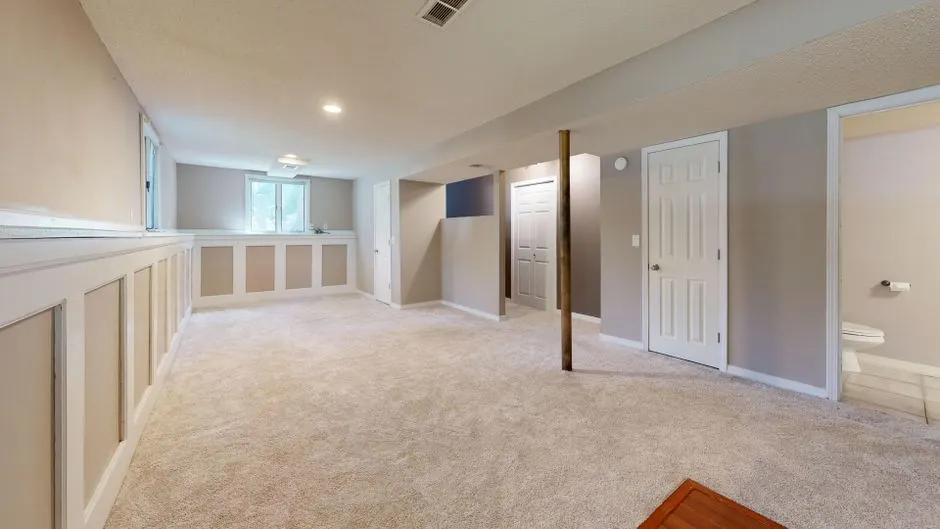
You can dry out a flooded basement without a dehumidifier by removing all standing water first, then forcing warm air across every wet surface with box fans and a wet/dry shop vac, and finally pulling moisture out of the air through cross-ventilation. It works, but it is slower and less thorough than a dehumidifier - expect two to four days instead of one. This guide covers the exact steps, the materials you already own, and the point where DIY drying stops being safe in a Newport home.
Why You Can't Just Wait for a Flooded Basement to Dry on Its Own
A flooded basement will not dry on its own in Newport. The Ohio River valley humidity, the older housing stock, and the lack of airflow in below-grade rooms mean water sits in concrete and framing for weeks. That is how a small leak becomes a mold problem.
Concrete is porous. When your basement floor is covered in an inch of water, the slab absorbs moisture several inches deep. Drywall wicks water upward. Wood floor joists and baseboards soak it in like a sponge. None of that evaporates just because the visible puddle is gone.
Mold needs three things: moisture, organic material, and time. In a Newport basement, you have all three the moment water touches drywall or wood. Mold can start colonizing a wet surface in 24 to 48 hours. Once it roots into drywall paper or wood fibers, wiping the surface does not remove it - you need mold remediation Newport KY to get it out safely.
That is why speed matters more than method. If you cannot run a dehumidifier, you have to replace its work with aggressive airflow, heat, and ventilation. The goal is the same: move water out of materials and into the air, then move that air outside.
Step 1: Remove Standing Water Before You Do Anything Else
Standing water is the source. Every minute it sits, it spreads deeper into concrete, drywall, and insulation. Get it out before you plug in a single fan.
If the water is more than an inch deep, use a wet/dry shop vac or a submersible utility pump. A shop vac with a 10- to 16-gallon tank handles most residential floods. For deeper water, a submersible pump moves 30 to 50 gallons per minute and empties a typical Newport basement in under an hour.
Never use a standard household vacuum. It will short out and can electrocute you. If the water is near outlets or your electrical panel, cut power to the basement at the breaker before you step in.
If the water is contaminated - sewage backup, river water, or anything with a smell - stop and call a professional. That is not a shop-vac job. Our team handles sewage backup cleanup Newport KY with the protective gear and disinfection required for Category 3 water.
Once the bulk water is gone, use a squeegee or push broom to move the last shallow puddles toward your sump pit or floor drain. Every gallon you remove manually is a gallon the air does not have to carry.
Step 2: Use Fans and Airflow to Dry a Wet Basement in Newport
Airflow is your replacement for a dehumidifier. Moving air pulls moisture off surfaces and into the air, where ventilation can carry it outside. Still air does almost nothing.
Set up box fans and oscillating fans so air moves across every wet surface, not just around the room. Aim one fan at the floor, one at the base of the walls, and one toward the ceiling if you have wet joists. A box fan on high moves about 2,000 cubic feet per minute - enough to dry a 200-square-foot area if you keep it running continuously.
Run the fans 24 hours a day for at least 48 to 72 hours. Turning them off at night lets moisture settle back into materials. If you have a wet/dry shop vac, use the blower function to push air into corners and under stairs where fans cannot reach.
If you have a sump pit that is still filling, a failed pump makes everything worse. We see this constantly in Newport after heavy spring rain. Our sump pump failure cleanup Newport KY service removes the water and checks whether the pump needs repair or replacement before the next storm.
Step 3: Open Windows and Doors the Right Way
Ventilation only works if the outside air is drier than the inside air. In Newport, that depends on the season and the weather.
On a dry fall or winter day, open basement windows and doors on opposite sides of the room to create cross-ventilation. The stack effect - warm air rising and escaping through upper floors - pulls moist air out and dry air in. This works best when outdoor humidity is below 60%.
On a humid summer day, do not open windows. You will pull more moisture into the basement. Instead, close the windows and use fans to push air up the stairs and out through a first-floor window or door. A box fan placed at the top of the basement stairs, blowing outward, creates negative pressure that pulls moist air up and out.
If you have a whole-house fan or an HVAC return in the basement, run the system on fan-only mode. That circulates air through the house and can help dry the space faster - but only if your HVAC filter is clean and the system is not pulling air from a damp crawl space.
For basements with persistent dampness even after the flood is gone, the real fix is stopping water before it gets in. Our basement waterproofing Newport KY service seals cracks, installs drainage, and keeps your basement dry through the next rainy season.
Step 4: Absorb What You Can With Natural Materials
You can pull a surprising amount of moisture out of a basement using materials you already have. These are not a replacement for airflow, but they help in corners and along walls where fans do not reach.
- Charcoal briquettes - plain, unscented charcoal absorbs moisture and odors. Set out bowls of it in damp corners and replace every few days.
- Rock salt - a bucket of rock salt pulls water from the air. It works slowly, but it is cheap and effective in a closed space.
- Silica gel packets - the packets that come in shoe boxes and electronics packaging. Scatter them in closets, cabinets, and storage bins.
- Cat litter - plain clay litter absorbs moisture. Spread a thin layer in shallow pans under leaky pipes or in damp corners.
- Towels and old sheets - lay them along walls and on wet carpet. Replace them as soon as they are saturated, and wring them out outside.
None of these will dry a soaked concrete floor on their own. They are supplements to airflow, not substitutes. If you are relying on rock salt to dry a flooded basement, you are going to be waiting a long time.
How Long Does It Take to Dry a Flooded Basement Without a Dehumidifier in Newport?
Without a dehumidifier, a flooded basement in Newport takes two to four days to dry if you remove standing water immediately and run fans continuously. With a dehumidifier, the same space dries in 24 to 48 hours. The difference is how fast moisture leaves the air.
Several factors change that timeline:
- Water depth and duration - an inch of water that sat for two hours dries faster than six inches that sat overnight.
- Material type - concrete and tile dry faster than drywall, carpet, and wood. Carpet padding can hold water for days even with fans on it.
- Outdoor humidity - a dry October day in Newport dries a basement twice as fast as a humid July afternoon.
- Airflow volume - one fan is not enough. You need air moving across every wet surface, all at once.
- Temperature - warm air holds more moisture than cold air. A basement at 70°F dries faster than one at 55°F.
If your basement is still damp after four days of continuous fan drying, the moisture is likely trapped in materials - carpet, drywall, or insulation. At that point, DIY drying has hit its limit. Our basement drying and dehumidification Newport KY service uses commercial-grade equipment to pull moisture out of materials, not just the air.
Common Mistakes Newport Homeowners Make When Drying a Basement
Most DIY basement drying fails for one of five reasons. Avoid these and your odds of a full dry-out go up significantly.
- Waiting too long to start. Every hour you wait gives mold a head start. If the water has been there overnight, you are already behind.
- Using one fan for a whole basement. A single box fan moves air in one direction. You need multiple fans positioned to hit every wet surface.
- Opening windows on a humid day. This pulls moisture into the basement instead of pushing it out. Check the outdoor humidity before you open anything.
- Leaving wet carpet and padding in place. Carpet padding acts like a sponge. If it is soaked, it needs to come out. Fans will not dry it fast enough to prevent mold.
- Ignoring the source. If water is still coming in - a failed sump pump, a cracked foundation, a clogged gutter - drying is pointless. Fix the entry point first.
One more mistake: assuming the basement is dry because the floor feels dry. Concrete releases moisture slowly. A moisture meter costs $30 to $50 at any hardware store and tells you what your hand cannot. If you want a professional read, our moisture detection and inspection Newport KY service maps exactly where water is still hiding.
When to Call a Professional
Call a professional when the water is contaminated, when materials are still wet after 72 hours of fan drying, or when you see or smell mold. Those are the three signals that DIY drying is not going to get you to a safe, dry basement.
We also get calls when the water keeps coming back. A basement that floods every time it rains is not a drying problem - it is a drainage problem. Our team finds the source, fixes it, and dries the space. We handle everything from emergency water removal Newport KY to full structural drying and sanitization.
If you are not sure whether you need help, call us. We will tell you honestly whether you can handle it yourself or whether it is time to bring in equipment. No pressure, no upsell.
Frequently Asked Questions
How do I dry out my flooded basement without a dehumidifier in Newport KY?
Remove all standing water with a pump or shop vac, then run box fans continuously across every wet surface for 48 to 72 hours. Open windows only when outdoor humidity is below 60%. Use charcoal, rock salt, or cat litter in corners to absorb residual moisture. Expect two to four days for a full dry-out.
Can a flooded basement dry on its own in Newport?
No. Newport's humid climate and older housing stock mean a flooded basement will stay damp for weeks without intervention. Mold can start growing within 24 to 48 hours. You need active airflow and water removal to dry it safely.
How long does it take to dry a basement without a dehumidifier in Newport?
Two to four days with continuous fan use and immediate water removal. The timeline depends on water depth, material type, outdoor humidity, and airflow volume. If it is still wet after four days, the moisture is trapped in materials and you need professional drying equipment.
What can I use instead of a dehumidifier to dry my basement in Newport?
Box fans, oscillating fans, a wet/dry shop vac, and cross-ventilation are your best options. Charcoal, rock salt, silica gel, and cat litter absorb small amounts of moisture but cannot replace airflow. For serious flooding, nothing DIY matches a commercial dehumidifier.
Can you dry a flooded basement with fans only in Newport?
Yes, if the water is removed first and you run enough fans for at least 48 to 72 hours. Fans alone will not dry soaked carpet, padding, or drywall. Those materials need to be removed or professionally dried to prevent mold.
Get Help With Basement Flood Cleanup in Newport
If your basement is still wet after a few days of fans, or if the water came from a sewage backup or repeated flooding, we can help. Newport Basement Flood Pros handles basement flood cleanup Newport KY from emergency water removal through full drying, sanitization, and mold prevention.
Call us at +18598328132. We will tell you what it takes to get your basement dry and safe.