
Local GuidesStorm Prep
Preparing your Newport basement for hurricane season
Hurricane season runs June 1 through November 30, and Newport's river-adjacent blocks flood fast. Here's how to prep your basement before the next storm.
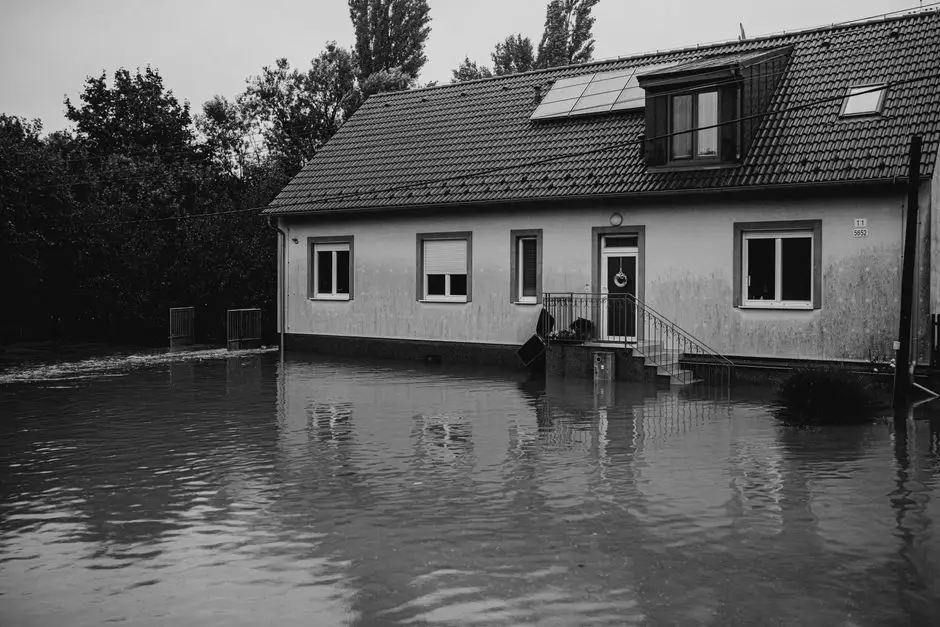
Preparing your Newport basement for hurricane season means sealing the ways water gets in, keeping your sump pump and drains working, and having a plan for the first 24 hours after a storm. Hurricane season runs June 1 through November 30, and Newport's position between the Ohio River and the Licking River means a single stalled system can push water into basements on York, Overton, and the lower blocks of Monmouth Street within hours.
Below is the same checklist our crews use when we walk a Newport basement before storm season, plus the drainage and waterproofing upgrades that actually keep water out instead of just mopping it up after the fact.
When is hurricane season in Newport, and how does it affect basements?
Hurricane season in Newport runs June 1 through November 30, with the highest risk for basement flooding between August and October when Gulf moisture rides north and stalls against the Ohio River valley. Newport sits at roughly 500 feet elevation, but the older river-adjacent blocks - York Street, the East Row Historic District, and the low streets feeding into the Taylor-Southgate area - sit much closer to flood stage than the hillside neighborhoods off Grand Avenue.
Remnants of Gulf hurricanes like the ones that pushed through in 2024 and 2025 don't need to be classified as hurricanes when they arrive. A tropical depression dumping 3 to 5 inches in six hours overwhelms Newport's combined storm and sanitary lines, and that water has to go somewhere. Usually it goes into the nearest basement.
If you've already had water this year, the fix is not a bigger mop. basement flood cleanup Newport KY handles extraction, drying, and sanitizing so you're not fighting mold three weeks later.
Why Newport basements flood during hurricane season
Newport basements flood during hurricane season for four reasons that stack on top of each other: saturated soil, aging drainage, failed sump pumps, and sewer backup. Understanding which one is hitting your house tells you what to fix first.
Saturated soil and hydrostatic pressure
After two or three days of rain, the clay-heavy soil under most Newport lots stops absorbing water. That water pushes against your foundation walls - hydrostatic pressure - and finds every hairline crack, every failed cove joint, every unsealed penetration where the water main or sewer line enters the wall. A block foundation wall built in 1920 has more of those than a poured wall from 2005.
Aging storm and sanitary lines
Many Newport homes on the older streets still have clay tile sewer laterals that have shifted, cracked, or been invaded by roots. When the city's combined system surcharges during a heavy storm, that water backs up through the lowest drain in the house - usually the basement floor drain or a laundry tub.
Sump pump failure
Sump pumps die at the worst possible moment. A pump that ran fine all spring can seize after a winter of sitting, or lose power during the exact storm you need it most. If your pump is more than 7 to 10 years old, or you've never tested it under load, that's your first upgrade.
Window wells and grading
Basement window wells without covers or drains fill like buckets. So does any yard that slopes toward the house instead of away from it. We see this constantly on the hillside streets where a neighbor's downspout dumps onto your side of the property line.
Storm readiness checklist for Newport basements
A storm readiness checklist for Newport basements should take about a weekend to complete and cost under $300 if you do the basics yourself. Here's what to work through, in order.
- Test the sump pump. Pour 5 gallons of water into the pit and time how long it takes to clear. If it runs longer than 30 seconds or cycles on and off, replace it.
- Install a battery backup sump pump. Power goes out in nearly every significant Newport storm. A backup pump with a deep-cycle battery buys you 6 to 8 hours of protection.
- Clear gutters and downspouts. A clogged downspout dumps 50 gallons of water per minute right at your foundation during a heavy rain.
- Extend downspouts 6 to 10 feet from the foundation. If yours end at the wall, add a flexible extension or a buried drain line.
- Check the grade. Soil should slope away from the foundation at roughly 1 inch per foot for the first 6 feet.
- Seal basement window wells. Add clear polycarbonate covers and make sure the well drains to daylight or a gravel dry well.
- Test the backwater valve. If you have one on the sewer lateral, open it and confirm the flapper moves freely. If you don't have one, this is the single best $800 to $1,500 you can spend.
- Clear floor drains. Pour a bucket of water down each one. If it drains slowly, snake it before storm season.
- Move valuables off the floor. Anything within 12 inches of the slab is in the flood zone.
- Photograph the basement. A dated photo inventory makes insurance claims dramatically easier.
If you want a second set of eyes on the whole system, our moisture detection and inspection Newport KY visit maps every entry point before the next storm instead of after.
Waterproofing and drainage work that pays off before the storm
Waterproofing and drainage work done before hurricane season costs a fraction of what cleanup costs after. In Newport, three upgrades deliver most of the protection.
Interior drainage and sump system
An interior perimeter drain - a channel cut along the inside of the footing that feeds a new sump pit - captures water at the point it enters and moves it out before it spreads across the floor. Typical 2026 pricing in this area runs $4,500 to $9,000 depending on basement size and whether a new pit and discharge line are needed. That's less than the average finished-basement flood claim.
Exterior waterproofing and foundation crack repair
Exterior membrane and drainage work is more invasive but stops water before it touches the wall. If your issue is a specific crack or a failed cove joint rather than a wet wall, foundation crack repair Newport KY is the targeted fix - usually $500 to $1,500 per crack with injection or exterior sealing.
Yard drainage: french drains, window wells, and downspouts
If water is pooling against the house, the fix is in the yard. A french drain installation Newport KY intercepts surface and shallow groundwater and carries it to a lower discharge point. Window well drains and downspout extensions handle the rest. On the hillside streets, this is often the difference between a dry basement and a wet one.
If you already have a pump but it's aging, sump pump repair and maintenance Newport KY includes a full test, float adjustment, and impeller cleaning so it's ready when the storm hits.
What to watch out for: common mistakes
The most common mistakes Newport homeowners make before hurricane season are the ones that feel like they're saving money but end up costing thousands. Here are the ones we see every year.
- Waiting until the storm is in the forecast. Sump pumps, backwater valves, and drainage crews book out 2 to 3 weeks ahead of a named storm. Prep in May, not August.
- Relying on a single sump pump with no backup. One power outage and you're pumping by hand.
- Running a sump pump discharge into the floor drain. That just puts the water back into the system that's already surcharging.
- Ignoring a musty smell. That smell is mold, and mold starts growing within 24 to 48 hours of a flood. If you've had water this year and smell it now, you have a mold problem, not a humidity problem.
- Using a shop vac as flood cleanup. A shop vac holds 10 to 16 gallons. A flooded Newport basement holds hundreds. You'll spend a day and still have wet drywall and soaked carpet.
- Skipping the insurance documentation. Photos, receipts, and a written inventory are what get claims paid.
If you do end up with water, don't wait. emergency water removal Newport KY within the first few hours prevents the secondary damage that turns a $2,000 cleanup into a $20,000 rebuild.
When to call a professional
Call a professional when water has been standing for more than a few hours, when the water is sewage-contaminated, or when you can smell mold. Those three situations are beyond what a wet-vac and a box fan can fix.
We handle the full sequence: pumping the water out, extracting what's left, drying the structure with commercial dehumidifiers and air movers, sanitizing surfaces, and testing for hidden moisture in walls and under flooring. We find the entry point, fix what caused it, and test the system before we leave.
Newport Basement Flood Pros works throughout Newport and the surrounding Northern Kentucky river towns. If you're not sure whether your situation needs a pro, call and describe it - we'll tell you straight.
Frequently Asked Questions
How do I prepare my Newport basement for hurricane season?
Test your sump pump and add a battery backup, clear gutters and extend downspouts 6 to 10 feet from the foundation, seal window wells, confirm your backwater valve works, and move valuables at least 12 inches off the floor. Do this in May, before storm season peaks in August and September.
What should Newport homeowners do before hurricane season to prevent basement flooding?
Spend one weekend on the checklist: pump test, drainage clearing, grading check, and a photo inventory for insurance. Then budget for one structural upgrade - a backwater valve, interior drain, or foundation crack repair - before the season starts. Most Newport homes need at least one of those three.
Does hurricane season cause basement flooding in Newport KY?
Yes. Remnants of Gulf storms regularly drop 3 to 5 inches of rain on Newport in a few hours, overwhelming the combined storm and sanitary system and pushing water into basements on the lower streets. Even weaker systems cause flooding when the ground is already saturated.
When is hurricane season in Newport and how does it affect basements?
Hurricane season runs June 1 through November 30, with peak basement-flood risk from August through October. The biggest threats are sewer backup during system surcharge, sump pump failure during power outages, and hydrostatic pressure against older block foundations after multi-day rain.
How much does basement flood prevention cost in Newport?
Basic DIY prep runs under $300. A battery backup sump pump is $400 to $900 installed. A backwater valve is $800 to $1,500. A full interior drain and sump system is $4,500 to $9,000. All figures reflect typical 2026 pricing in the Newport area.
Get help with Basement Flood Cleanup in Newport
If storm water has already found its way into your Newport basement, we can be on-site fast to pump it out, dry the structure, and stop the mold before it starts. One call and we handle the rest.
Call Newport Basement Flood Pros at +18598328132.