
Local GuidesWaterproofing
How to protect your Bellevue Avenue basement from flooding
Bellevue Avenue basements flood for predictable reasons - slope, old drains, aging sump pumps. Here's how Newport homeowners keep water out for good.
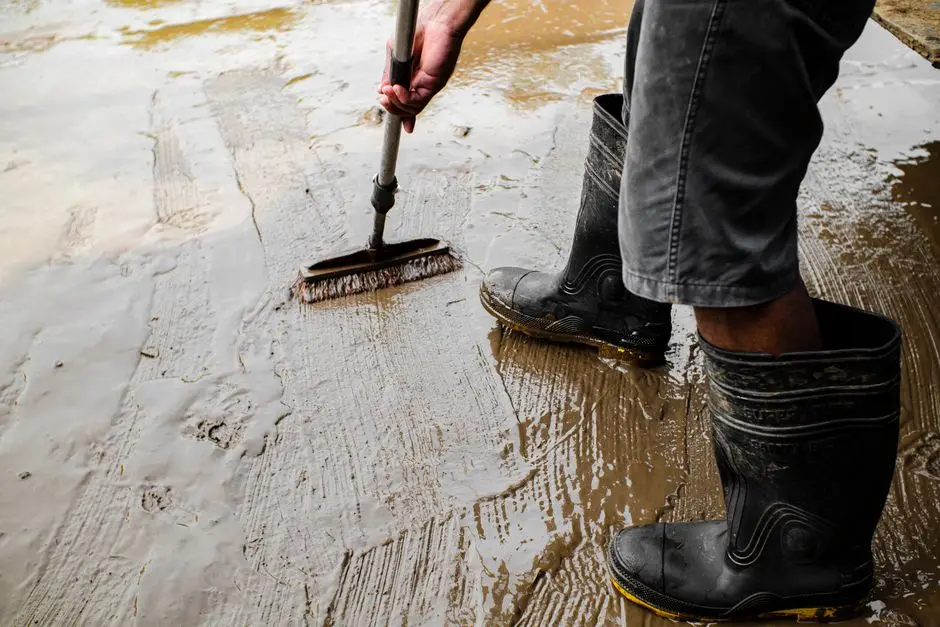
Protecting your Bellevue Avenue basement from flooding starts with three things: moving roof and surface water away from the foundation, keeping the sump pump and floor drain clear, and sealing the cracks and penetrations where water finds its way in. Bellevue Avenue sits on a slope that drains toward the Ohio River floodplain, so homes here take on water faster than most of Newport. This guide walks through the specific causes we see on this street, the fixes that hold up, and the warning signs that mean it's time to bring in a crew.
Why Bellevue Avenue basements flood so often
Bellevue Avenue basements flood so often because the street runs downhill toward the river, the housing stock dates to the 1890s through the 1930s, and the original clay footer drains under most of these homes have long since collapsed or filled with roots. That combination means storm water has nowhere to go but into the basement.
Walk the block between 3rd and 11th and you'll see what we mean. Front yards slope hard toward the house. Downspouts empty within two feet of the foundation on maybe half the properties. The limestone and brick foundations were laid before anyone used exterior waterproofing membranes, so the mortar joints are the only barrier between you and the water table.
Add Newport's 40-plus inches of annual rainfall - and the 3 to 4 inch storms we get in spring and again in late fall - and you have a recipe for a wet floor every time the sky opens up.
What causes basement flooding on Bellevue Avenue in Newport
Basement flooding on Bellevue Avenue in Newport comes from six sources, and most homes have at least two of them working at once. Fixing only one is why so many homeowners end up mopping the same floor twice a year.
- Hydrostatic pressure - saturated soil pushing water through mortar joints and floor cracks.
- Failed footer drains - the original clay tile systems are crushed, root-filled, or disconnected from the storm sewer.
- Downspout discharge - gutters dumping 600 to 900 gallons of roof water per 1,000 sq ft of roof right next to the foundation during a 1-inch rain.
- Sump pump failure - a 10-year-old pump that hasn't been serviced quits on the night you need it most.
- Sanitary sewer backup - the combined storm and sanitary lines under parts of Newport surcharge during heavy rain and push sewage up through the floor drain.
- Window wells - basement windows below grade fill up and spill over the sill in under a minute during a hard downpour.
We see all six within a two-block stretch. The good news is that each one has a known fix, and none of them require tearing up your whole yard.
The first line of defense: grading, gutters, and downspouts
Grading, gutters, and downspouts are the cheapest fixes you can make, and they stop more water than anything else on this list. Before you spend a dollar on interior drainage, spend a weekend on the outside of the house.
Here's the order we recommend:
- Regrade the soil so it slopes away from the foundation at roughly 6 inches of drop over the first 10 feet.
- Clean the gutters twice a year - once after the last leaves fall in November, once in early April.
- Extend downspouts at least 6 feet from the foundation, or 10 feet on the downhill side of Bellevue.
- Check the downspout drains for the crushed clay tile that runs under most front walks on this street.
If your downspouts still dump next to the house after a hard rain, professional gutter and downspout drainage solutions Newport KY will route them to a dry well or the storm line so the water never touches your foundation. We handle this on Bellevue Avenue regularly, and it's usually a one-day job.
Sump pumps and interior drainage that actually work
A working sump pump is the single most important piece of equipment in a Bellevue Avenue basement. When it fails, you have roughly 20 minutes before the floor is under an inch of water and the drywall starts wicking.
Three things keep a sump system reliable:
- A primary pump rated for the volume - most Newport basements need 1/3 to 1/2 horsepower to keep up with a 2-inch-per-hour rain.
- A battery backup - power goes out during storms, which is exactly when you need the pump running.
- A check valve and a discharge line that doesn't freeze - the line must exit above grade and slope away from the house.
If your pump is more than 8 years old, replace it before it quits. We install and service these systems across the neighborhood, and the difference between a $400 proactive replacement and a $4,000 flood cleanup is not a close call.
For homes with chronic seepage along the cove joint - where the floor meets the wall - an interior perimeter drain tied to the sump pit is the permanent answer. It captures water before it reaches the middle of the floor.
Waterproofing a Bellevue Avenue basement in Newport, Kentucky
Waterproofing a Bellevue Avenue basement in Newport, Kentucky means sealing the paths water uses to get in, not just painting the walls with a masonry sealer and hoping. That product fails within one wet season on a 100-year-old limestone foundation.
What actually works on this street:
- Hydraulic cement and polyurethane injection for active cracks in the floor and walls.
- Exterior membrane on the outside of the foundation - the gold standard, but it means excavation.
- Interior drainage membrane that channels wall seepage down to the perimeter drain.
- Vapor barrier and dehumidification to keep the space dry between storms.
We install all four. Most Bellevue Avenue homeowners start with crack injection and interior drainage, then add exterior work later if the seepage continues. Typical 2026 pricing in this area runs $1,800 to $4,500 for interior waterproofing, and $8,000 to $15,000 if exterior excavation is required.
If you've already had water in and you're worried about what's growing behind the drywall, moisture detection and inspection Newport KY uses thermal imaging and pin meters to find the wet spots you can't see. We do this on almost every job before we quote repairs.
Common mistakes that make basement flooding worse
The most common mistake we see on Bellevue Avenue is treating the symptom instead of the source. A shop vac and a box fan handle the puddle, but they don't stop the next storm from doing the same thing.
Other mistakes worth avoiding:
- Painting over wet walls. Masonry sealer traps moisture inside the block and pushes it toward the floor.
- Running a dehumidifier without a drain line. You'll be emptying the bucket three times a day and the humidity will still climb.
- Storing cardboard boxes and paper directly on the floor. Even a quarter-inch of water ruins them - and cardboard feeds mold.
- Ignoring a musty smell. That smell is mold growing in the carpet pad or behind the baseboard, and it gets worse every week.
- Disconnecting the sump pump discharge from the storm line without a plan. You'll just flood the neighbor's yard.
If you've already had a flood and the smell hasn't gone away after two weeks, professional mold remediation Newport KY is the right call. We test first, then treat, then verify the spore count is back to normal.
When to call a professional
Call a professional when water has been in the basement for more than 24 hours, when the source is a sewage backup, or when you've tried the DIY fixes and the floor still gets wet every storm. Those three situations need equipment and training you don't have in the garage.
Our team at Newport Basement Flood Pros handles the whole chain - pumping the water out, extracting what's left, drying the structure, and repairing the damage. We work the Bellevue Avenue corridor weekly, so we know the block, the building stock, and the drainage quirks.
If you're not sure whether you need us yet, that's fine. Call and describe what you're seeing. We'll tell you honestly whether it's a weekend project or a job for a crew.
For homes across the river and around the county, we also offer Basement Flood Cleanup Newport KY with same-day response on most calls.
Frequently Asked Questions
How do I protect my Bellevue Avenue basement from flooding in Newport KY?
Move roof and surface water 6 to 10 feet away from the foundation, keep your sump pump under 8 years old with a battery backup, and seal cracks with hydraulic cement or polyurethane injection. Those three steps stop the vast majority of flooding we see on this street.
What causes basement flooding on Bellevue Avenue in Newport?
The slope of the street, failed clay footer drains from the 1900s, downspouts discharging next to the foundation, and aging sump pumps. Combined storm and sanitary sewers also back up into floor drains during 2-inch-plus rain events.
Does basement waterproofing help on Bellevue Avenue in Newport?
Yes - when it's done correctly. Interior drainage and crack injection typically stop 80 to 90 percent of seepage on these foundations. Exterior membrane is the permanent fix, but it requires excavation and runs $8,000 to $15,000 in 2026.
Who does basement flood prevention near Bellevue Avenue Newport?
Newport Basement Flood Pros works the Bellevue Avenue corridor weekly. We handle sump pump installation, foundation crack repair, interior drainage, and full flood cleanup. Call +18598328132 and we'll schedule an inspection.
How much does basement flood prevention cost in Newport KY?
DIY fixes like regrading and downspout extensions run $200 to $800. Professional interior waterproofing runs $1,800 to $4,500. Sump pump replacement with a battery backup is $600 to $1,200 installed. Full exterior waterproofing starts around $8,000.
Get help with Basement Flood Cleanup in Newport
If water is already in your Bellevue Avenue basement, don't wait - every hour it sits, the damage spreads into drywall, framing, and insulation. We pump it out, dry the structure, and repair what the water touched.
Call Newport Basement Flood Pros at +18598328132 for same-day response across Newport and the surrounding neighborhoods.